

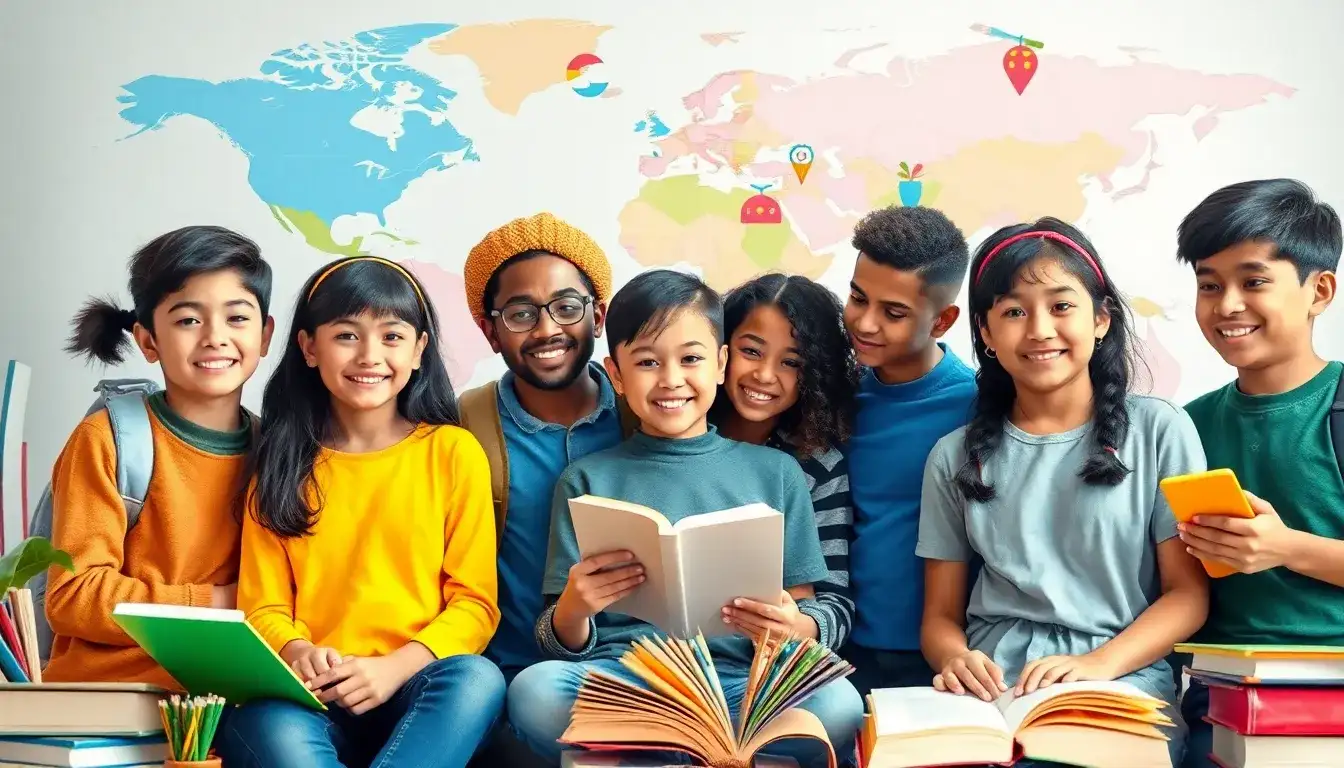
Cultural differences play a crucial role in designing targeted educational campaigns. Understanding and incorporating these differences can significantly enhance the effectiveness of educational initiatives by ensuring they resonate with diverse audiences. Here are some key aspects to consider:
The Importance of Cultural Awareness
- Inclusivity: Educational campaigns should be inclusive, recognizing and valuing the diverse backgrounds, experiences, and perspectives of their audiences. This fosters a sense of belonging and encourages engagement with the campaign’s message.
- Cultural Sensitivity: Content should be culturally sensitive, avoiding stereotypes or biases that might alienate certain groups. Campaigns should celebrate cultural diversity and highlight commonalities that unite people across cultures.
Strategic Approaches
Designing Campaigns
- Culturally Responsive Content: Ensure that educational materials and messaging are relevant and accessible to diverse cultural groups. This can involve using local languages, references, and examples that resonate with the target audience.
- Incorporating Cultural Elements: Incorporate cultural elements such as celebrations, traditions, and cultural symbols into the campaign. This helps connect the educational content to the audience’s cultural experiences.
- Community Engagement: Engage with local communities and involve them in the campaign design process. This can include collaborations with community leaders or incorporating community events into the campaign.
Classroom Applications
- Cultural Exchange Activities: Organize cultural exchange days, where students can share their cultural practices, traditions, and stories. This promotes mutual respect and understanding among students from different backgrounds.
- Diverse Curriculum: Develop a curriculum that reflects diverse cultural contributions. Include global perspectives in subjects like history, literature, and science to broaden students’ understanding of different cultures.
- Cultural Art Projects: Engage students in art projects that explore various cultural styles, such as African masks or Japanese origami, to visually and tactilely introduce cultural diversity.
Benefits of Addressing Cultural Differences
- Engagement and Retention: Educational campaigns that respect and incorporate cultural differences tend to have higher engagement rates and better retention of information among diverse groups.
- Fostering Inclusivity: By acknowledging and celebrating cultural differences, campaigns can create a more inclusive environment, which is essential for building trust and credibility with diverse audiences.
In summary, recognizing and respecting cultural differences is essential for designing effective targeted educational campaigns. It ensures that the content is relevant, engaging, and respectful of the diverse backgrounds of its audience.
Original article by NenPower, If reposted, please credit the source: https://nenpower.com/blog/what-role-do-cultural-differences-play-in-designing-targeted-educational-campaigns/

