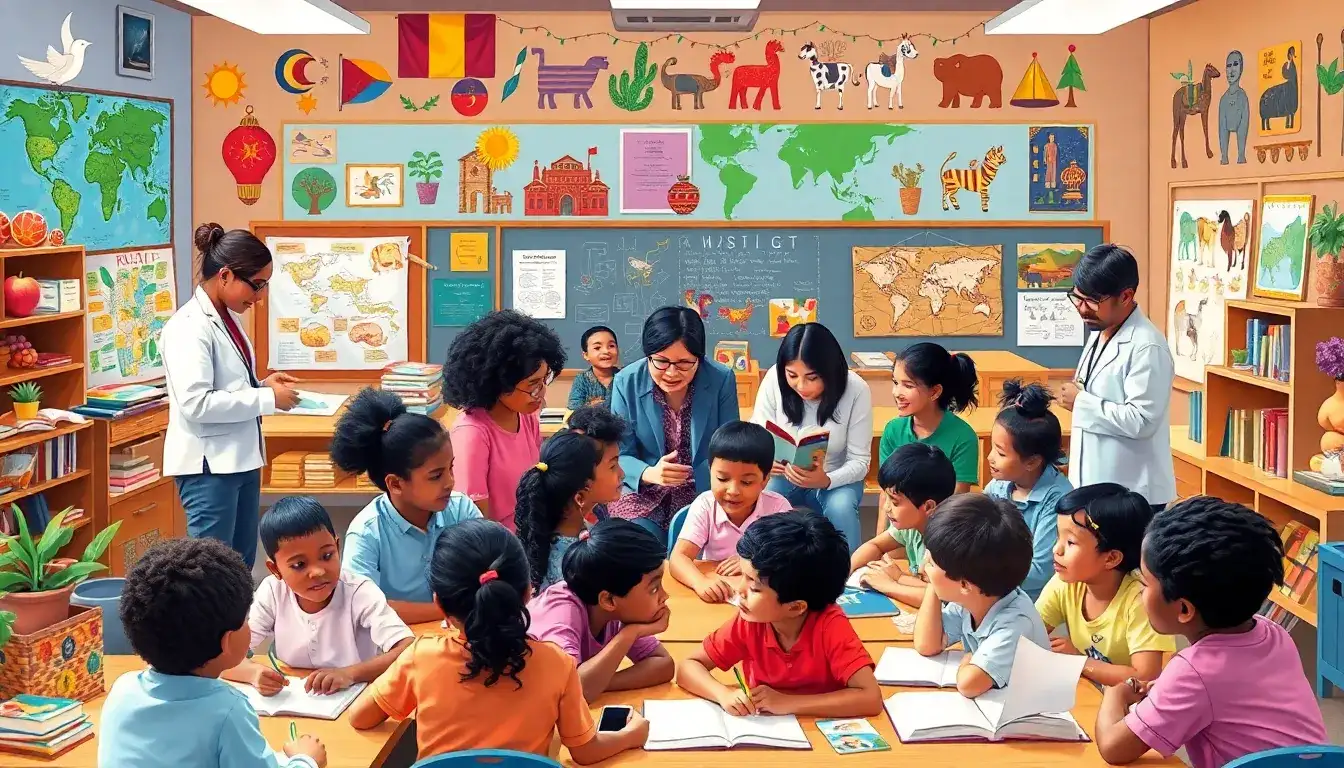
Community partnerships are essential in culturally responsive education, serving as bridges between schools, families, and local resources to create inclusive learning environments. Here’s how they contribute:
Cultural Representation and Validation
Community partnerships ensure students and families see their identities reflected in school practices—such as multilingual signage, diverse curriculum materials, and events celebrating cultural heritage. By integrating local cultural knowledge, schools validate students’ backgrounds, fostering a sense of belonging and self-worth.
Strengthening Home-School Relationships
Trust-building through culturally responsive communication is foundational. Partnerships prioritize cultural humility (ongoing self-reflection) and cultural competence (skills to engage diverse groups), enabling educators to collaborate equitably with families. This trust supports parental involvement in decision-making and academic support, directly benefiting student outcomes.
Resource Sharing and Equity
Local organizations and cultural leaders provide schools with insights, tools, and contextual knowledge. For example, Indigenous elders or community advocates can help teachers “weave between knowledges”, enriching lessons with culturally relevant examples. Such collaborations reduce disparities by connecting underserved families to academic and social services.
Sustainable, Ethical Practices
Culturally responsive partnerships prioritize community voices in decision-making, ensuring initiatives align with the values and needs of those served. This approach leads to more meaningful, long-term strategies for student success, such as joint programs addressing systemic barriers to learning.
Teacher Competency Development
Partnerships challenge educators to deepen their understanding of students’ cultural contexts through direct community engagement. This includes learning from local leaders and adapting teaching methods to reflect students’ lived experiences, which enhances instructional relevance and effectiveness.
By fostering reciprocal relationships, community partnerships transform schools into hubs of cultural exchange and equity, directly advancing academic and social-emotional growth.
Original article by NenPower, If reposted, please credit the source: https://nenpower.com/blog/what-role-do-community-partnerships-play-in-culturally-responsive-education/