

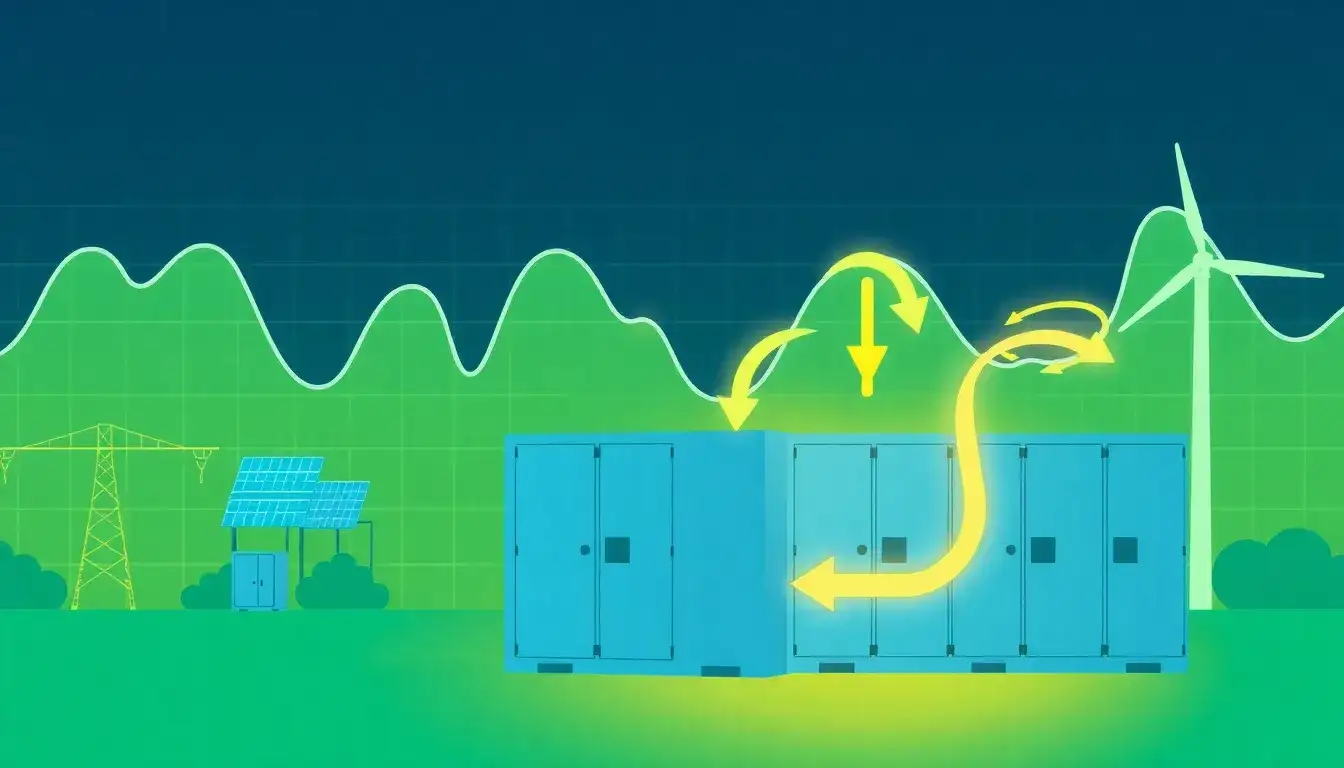
Battery Energy Storage Systems (BESS) play a pivotal role in enabling load shifting by providing a reliable means to store energy during off-peak times and release it when demand is higher. This capability helps in redistributing electricity consumption from peak hours to off-peak hours, thereby smoothing out demand curves and optimizing grid utilization.
Key Contributions of BESS to Load Shifting
- Storage and Discharge: BESS can store excess energy when demand and electricity prices are low (e.g., during the night) and discharge it during peak hours to reduce reliance on the grid when electricity is more expensive.
- Cost Savings: By using stored energy during peak times, consumers and businesses can avoid higher electricity costs, leading to significant savings.
- Grid Stability: BESS helps mitigate peak demand spikes, contributing to grid stability and reducing the risk of outages.
- Renewable Energy Integration: BESS enables the storage of renewable energy generated during off-peak periods, facilitating greater integration of these sources into the grid.
- Flexibility and Efficiency: BESS technologies allow for dynamic charging and discharging, making them ideal for managing energy demand in real-time.
Overall, the integration of BESS with load shifting strategies offers a powerful tool for optimizing energy consumption patterns, enhancing grid efficiency, and supporting the transition to renewable energy sources.
Original article by NenPower, If reposted, please credit the source: https://nenpower.com/blog/what-role-do-battery-energy-storage-systems-play-in-load-shifting/

