

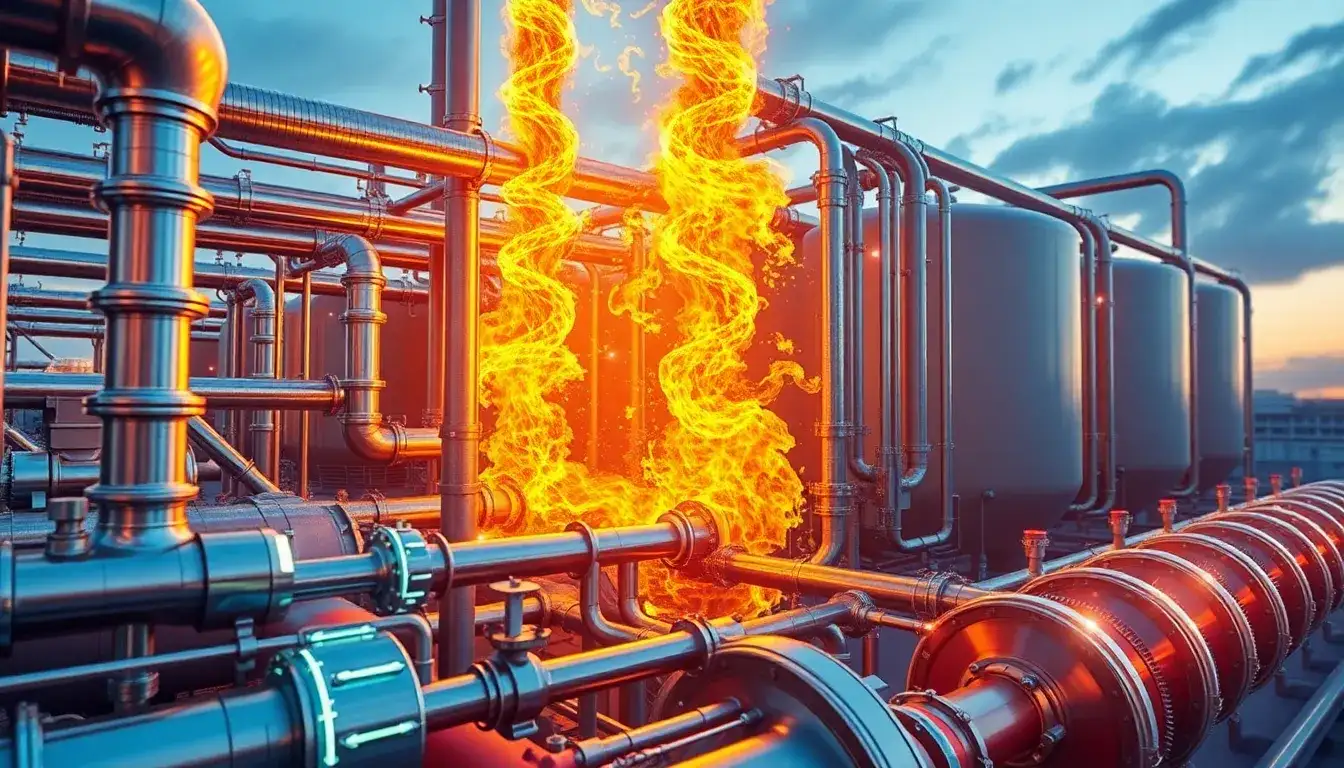
Advanced materials play a critical role in enhancing the longevity of Compressed Air Energy Storage (CAES) systems by improving structural resilience, minimizing energy loss, and enabling higher operational pressures. Key contributions include:
Structural Integrity and Durability
- Cavern linings: Innovations like steel-reinforced concrete shells or fiber-reinforced plastic sealing layers prevent leakage and maintain airtightness in underground storage, reducing material fatigue over time.
- High-pressure resistance: Advanced alloys and composite materials in aboveground storage vessels tolerate repeated compression cycles, mitigating mechanical degradation.
Operational Efficiency
- Thermal management materials: Efficient thermal energy storage (TES) media, such as phase-change materials, reduce thermal stress on system components, extending their lifespan.
- Corrosion-resistant coatings: Protect rotating equipment and pipelines from moisture-induced damage, particularly in humid or saline environments.
Energy Density Optimization
- High-strength composites: Enable thinner, lighter storage vessels that withstand higher pressures (e.g., 100+ bar), reducing physical footprint while maintaining safety.
These advancements address critical failure points like air leakage, thermal cycling, and mechanical wear, ensuring CAES systems meet multi-decade operational demands. Recent DOE funding for CAES projects, including a $1.76 billion conditional loan guarantee in 2025, underscores their growing importance in long-duration energy storage.
Original article by NenPower, If reposted, please credit the source: https://nenpower.com/blog/what-role-do-advanced-materials-play-in-the-longevity-of-caes-systems/

