

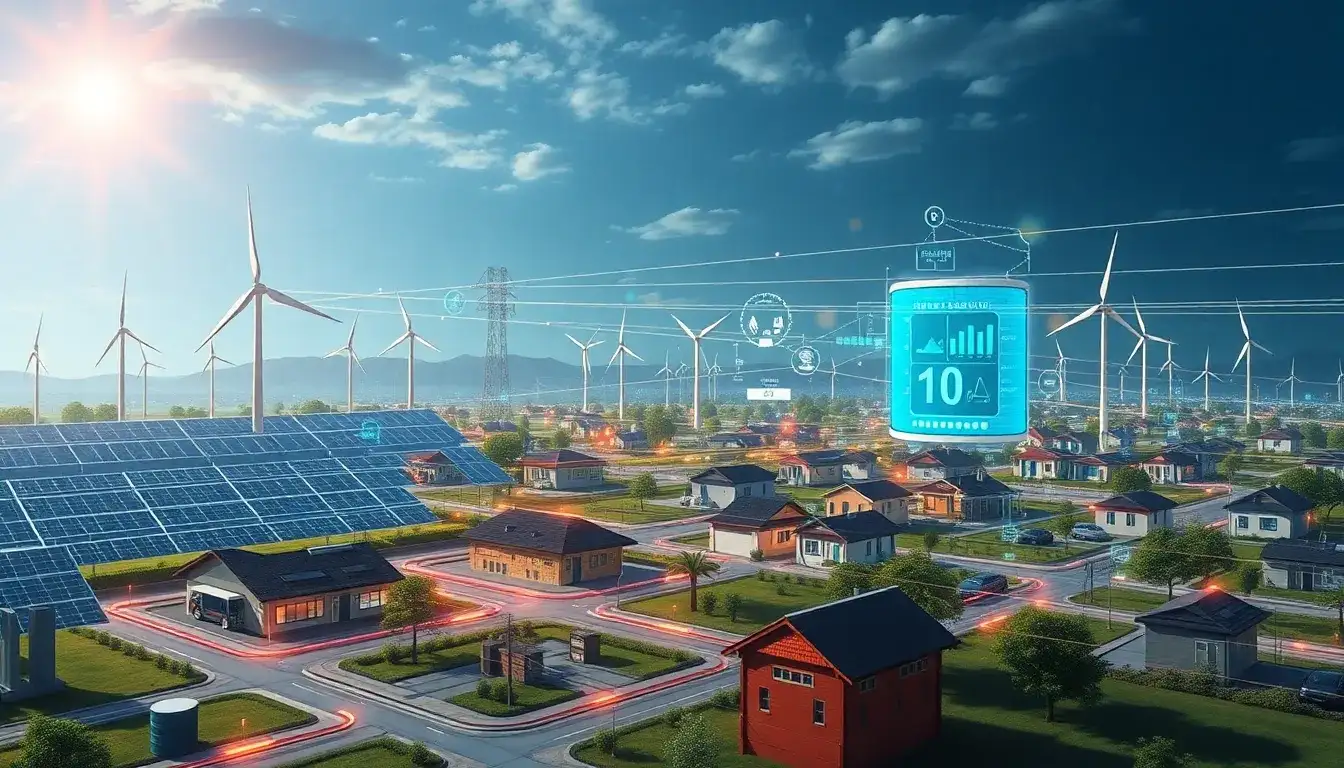
Role of Advanced Control Systems in Microgrids
Advanced control systems play a crucial role in the functionality and efficiency of microgrids, enhancing their reliability, flexibility, and sustainability. Here’s a breakdown of their key contributions:
Key Functions of Advanced Control Systems
- Optimization and Coordination:
- Advanced control systems optimize the operation of microgrids by coordinating various distributed energy resources (DERs) such as solar, wind, batteries, and generators. This ensures that renewable sources are prioritized while fossil fuels are used only when necessary, maintaining stable voltage and frequency.
- These systems manage real-time power flow to prevent imbalances or fluctuations that could compromise power quality.
- Seamless Islanding and Resynchronization:
- Advanced control systems allow microgrids to seamlessly island from the main grid during disruptions and resynchronize when it is safe to reconnect. This capability is critical for maintaining power supply continuity, especially in sectors like healthcare and data centers.
- Technologies like SEL’s powerMAX provide subcycle inertia-compensated control algorithms to prevent blackouts and ensure the stability of the system during closely timed events.
- Cybersecurity and Reliability:
- Advanced systems integrate robust cybersecurity measures to protect against potential threats, ensuring that the control hardware and software remain secure and reliable.
- The implementation of distributed and centralized control options caters to different microgrid sizes and configurations, offering flexibility in management and protection.
- Energy Cost Management and Sustainability:
- By optimizing energy usage based on real-time conditions, such as weather, fuel costs, and utility rates, advanced control systems help reduce energy costs and enhance sustainability.
- They also facilitate strategies like peak shaving and energy storage to minimize reliance on carbon-intensive sources.
- Adaptive and Decentralized Control:
- Advanced systems can employ adaptive, data-driven control approaches that are robust to model inaccuracies. This allows for real-time adjustments in response to changing conditions and unexpected disruptions.
- Decentralized control options enable microgrids to manage resources effectively, ensuring system resilience and flexibility in varying operational scenarios.
Benefits of Advanced Control Systems in Microgrids
- Enhanced Reliability and Resilience: Advanced control systems ensure that microgrids can maintain power supply continuity even during grid disruptions, making them vital for critical infrastructure like hospitals and data centers.
- Increased Efficiency and Sustainability: By prioritizing renewable energy sources and optimizing energy usage, these systems help reduce environmental impact while lowering operational costs.
- Flexibility and Adaptability: Advanced controls allow microgrids to adapt to changing conditions, such as shifts in energy demand or supply, ensuring optimal performance under varying scenarios.
In summary, advanced control systems are fundamental to the efficient and resilient operation of microgrids, providing critical functionalities that enhance their performance, sustainability, and reliability in both grid-connected and island modes.
Original article by NenPower, If reposted, please credit the source: https://nenpower.com/blog/what-role-do-advanced-control-systems-play-in-the-functionality-of-microgrids/

