

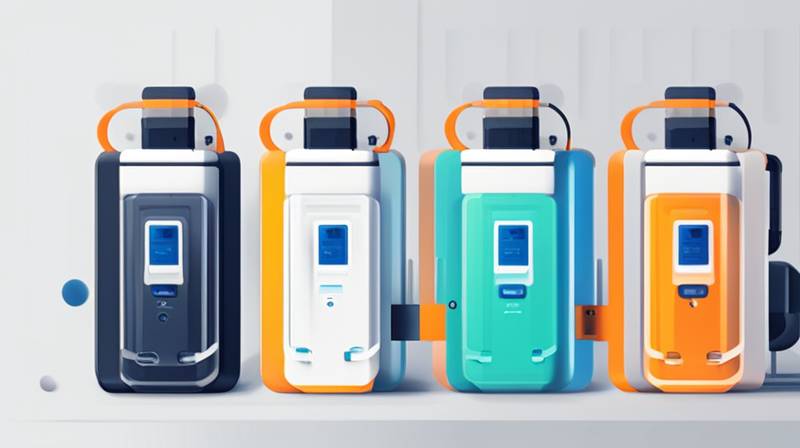
1. MOBILE ENERGY STORAGE EQUIPMENT INCLUDES A VARIETY OF PRODUCTS SUCH AS PORTABLE POWER STATIONS, BATTERY PACKS, INVERTERS, AND ENERGY MANAGEMENT SYSTEMS. 2. PORTABLE POWER STATIONS OFFER CONVENIENT ENERGY SOLUTIONS FOR OUTDOOR ACTIVITIES AND EMERGENCY BACKUP, ENABLING USERS TO CHARGE MULTIPLE DEVICES SIMULTANEOUSLY. 3. BATTERY PACKS, WITH VARIOUS CAPACITIES, PROVIDE FLEXIBLE STORAGE OPTIONS FOR BOTH PORTABLE AND STATIONARY APPLICATIONS, ENSURING USERS HAVE ACCESS TO POWER WHEN NEEDED. 4. INVERTERS CONVERT DC POWER TO AC, ALLOWING THE USE OF ELECTRICAL APPLIANCES, WHILE ENERGY MANAGEMENT SYSTEMS OPTIMIZE THE STORAGE AND USAGE OF ELECTRICITY, ENHANCING EFFICIENCY AND SUSTAINABILITY.
1. UNDERSTANDING MOBILE ENERGY STORAGE EQUIPMENT
Mobile energy storage equipment has become increasingly vital in today’s world, driven by the demand for off-grid living and renewable energy integration. This sector encompasses several technological advancements, enabling individuals and organizations to harness energy efficiently and sustainably.
Portable power stations, battery packs, inverters, and energy management systems represent the core components of mobile energy storage. As lifestyles grow more mobile, the need for electricity on-the-go has surged, prompting manufacturers to innovate continuously in this domain. Each product serves its unique purpose while contributing to a larger ecosystem of energy management.
The significance of mobile storage solutions lies in their versatility. They cater to various scenarios, including camping, travel, emergency preparedness, and even commercial applications. The ability to access power without dependence on traditional grid infrastructure is transforming how consumers and businesses approach energy consumption.
2. PORTABLE POWER STATIONS: THE FUTURE OF MOBILE ENERGY
Portable power stations are compact, battery-powered devices providing electrical energy for multiple applications. These units are particularly beneficial for outdoor enthusiasts, construction sites, and emergency situations. The key features of portable power stations include their ability to charge various devices, compatibility with solar panels, and multiple output options.
One of the primary advantages of these power stations is their size and mobility. Many models are lightweight, allowing users to transport them easily. This portability makes them ideal for campers or tailgaters who require energy for lighting, cooking, or charging their electronic devices. Furthermore, advancements in battery technology have led to increased energy storage capacities while maintaining manageable weight.
Moreover, portable power stations play a crucial role in emergency preparedness. When natural disasters strike, access to power can be life-saving. These devices provide essential energy for communication devices, medical equipment, and refrigeration. By investing in a reliable portable power station, individuals can ensure they remain prepared for unexpected power outages.
3. BATTERY PACKS: VERSATILITY AND FUNCTIONALITY
Battery packs serve as comprehensive solutions for storing energy, offering varying sizes and capacities depending on individual needs. The versatility of these products allows them to function in numerous settings, from home backup systems to electric vehicle support. Typical battery packs utilize lithium-ion technology, ensuring lightweight construction coupled with high energy density.
What sets battery packs apart is their ability to integrate seamlessly with renewable energy systems. For instance, during sunny days, solar panels can charge these batteries, allowing users to store excess energy for later use. This flexibility enhances energy independence, reducing reliance on traditional utility sources and minimizing carbon footprints.
In addition to residential applications, battery packs are emerging as critical components in commercial and industrial settings. Businesses are now leveraging these solutions to optimize energy management, reduce costs, and improve resilience. Incorporating battery storage into commercial energy strategies can yield significant benefits, including demand charge reduction and peak shaving.
4. INVERTERS: THE POWER CONVERSION ESSENTIAL
Inverters are essential devices that convert direct current (DC) from batteries into alternating current (AC), which is the standard form of electricity used in most household appliances. They enable users to operate everything from laptops to power tools, making them indispensable in the context of mobile energy storage.
The efficiency of inverters has a direct impact on the performance of energy storage systems. Higher quality inverters ensure greater energy conversion efficiency, minimizing energy losses during the process. Technological advancements have led to more compact and efficient inverter designs, enabling users to access power in more locations than ever before.
Additionally, inverters can incorporate smart technology, allowing for real-time monitoring and control of energy usage. This capability significantly enhances the user experience, as consumers can optimize energy consumption based on their specific requirements. The ability to adjust settings remotely also adds a layer of convenience and enhances energy management strategies.
5. ENERGY MANAGEMENT SYSTEMS: OPTIMIZING STORAGE AND USAGE
Energy management systems (EMS) are sophisticated software solutions designed to oversee and optimize the generation, storage, and consumption of electricity. These systems facilitate the integration of various energy resources, including solar and wind, enhancing the overall efficiency of mobile energy solutions.
The primary goal of an EMS is to ensure that energy is utilized in the most efficient manner possible. By employing advanced algorithms and predictive analytics, these systems can forecast energy needs and adjust battery discharges accordingly. This technology helps consumers avoid peak energy rates, reducing overall energy costs.
In commercial applications, integrating EMS into energy strategies can yield substantial benefits, including improved reliability and resilience during peak demand periods. Moreover, businesses can leverage real-time data to make informed decisions about energy consumption, ultimately enhancing their sustainability efforts.
In residential settings, homeowners benefit significantly from EMS, especially those utilizing solar power. These systems allow for precise control of energy flows, ensuring that solar energy is used efficiently and stored optimally.
FREQUENTLY ASKED QUESTIONS
WHAT ARE THE BENEFITS OF USING PORTABLE POWER STATIONS?
Portable power stations offer several advantages over traditional generators. Firstly, their design emphasizes portability, allowing users to take electricity wherever needed without the burden of fuel management or heavy machinery. These units are also quieter and cleaner, making them suitable for activities such as camping or backyard gatherings. Additionally, many models feature solar charging capabilities, enhancing their sustainability appeal. Users appreciate the versatility of these devices, as they come with multiple outputs, enabling the simultaneous charging of various electronic devices. This is particularly advantageous during outdoor events, as individuals no longer need to rely on limited power sources. The safety mechanisms built into portable power stations, such as short-circuit protection and temperature control, further assure users of their reliability. In emergencies, these power stations can provide essential energy for communication devices or refrigeration, making them indispensable in unforeseen situations. Overall, the benefits of portable power stations extend beyond convenience, offering an eco-friendly and efficient energy solution tailored to modern mobility needs.
HOW DO BATTERY PACKS INTEGRATE WITH RENEWABLE ENERGY SOURCES?
Battery packs have become integral in utilizing renewable energy sources like solar and wind. These units can store surplus energy generated during optimal resource conditions, making it available for use when generation is low. When solar panels generate excess electricity, these battery packs can capture and store this energy, allowing homeowners or businesses to use stored power during nighttime or overcast conditions. This capability ensures users derive maximum benefit from their renewable energy investments, extending usage beyond daylight hours. The ability to charge battery packs from multiple sources enhances their functionality, as they can also be integrated with grid supplies. During peak acceptance periods, users can charge their battery packs when electricity rates are lower, and utilize stored energy during peak or high-rate times. Furthermore, as energy storage technology continues to advance, battery packs are being designed with smart systems that utilize real-time analytics to optimize energy usage. As a result, battery packs significantly contribute to renewable energy effectiveness and expand opportunities for sustainable living.
WHAT ROLE DO INVERTERS PLAY IN MOBILE ENERGY STORAGE SYSTEMS?
Inverters serve as the backbone of mobile energy storage systems, enabling the conversion of stored DC power into usable AC electricity. This conversion is vital because the majority of household appliances require AC to function. Without inverters, energy stored in batteries cannot be utilized effectively, thus limiting the applicability of portable power solutions. These devices not only allow for the immediate use of stored energy but also enhance the system’s versatility, enabling consumers to power a wide variety of devices. Inverters play a critical role in ensuring energy efficiency within mobile systems, as top-tier models boast high conversion rates and minimal energy loss. More advanced inverters come equipped with smart technology, which provides users with insights into energy consumption patterns, ultimately aiding in better energy management. For instance, a smart inverter can adjust charging and discharging based on user behaviors and energy pricing, maximizing energy savings. This makes inverters indispensable assets in mobile energy storage, allowing seamless, efficient, and reliable power supply for a variety of needs.
The significance of mobile energy storage equipment cannot be overstated. Various products such as portable power stations, battery packs, inverters, and energy management systems are transforming how energy is accessed and utilized. Each of these devices contributes uniquely to the overarching goal of enhancing energy efficiency and sustainability in modern living. As technology continues to evolve, consumers can expect even more sophisticated solutions that cater to their dynamic energy needs. Portable power stations encapsulate convenience, allowing energy access in outdoor settings or during emergencies, while battery packs enable a flexible approach to energy storage and integration with renewable sources.
Moreover, inverters facilitate the critical conversion of energy, ensuring that stored electricity may be utilized efficiently for everyday appliances. The incorporation of smart technologies within energy management systems represents the next great leap towards optimal energy independence, enabling real-time monitoring and proactive adjustments based on usage patterns. In this fluid landscape, innovation remains a cornerstone, propelling advancements that make mobile energy storage an essential component of personal and commercial energy strategies. As awareness of the environmental implications surrounding energy choices grows, mobile storage solutions serve to empower individuals and businesses alike towards more conscious consumption.
By investing in mobile energy storage solutions, users equip themselves with the tools needed to navigate an unpredictable energy landscape while reaffirming their commitments to sustainability and energy resilience. Ultimately, this shift not only meets present demands but also sets the stage for a greener, more sustainable future.
Original article by NenPower, If reposted, please credit the source: https://nenpower.com/blog/what-products-are-there-in-mobile-energy-storage-equipment/

