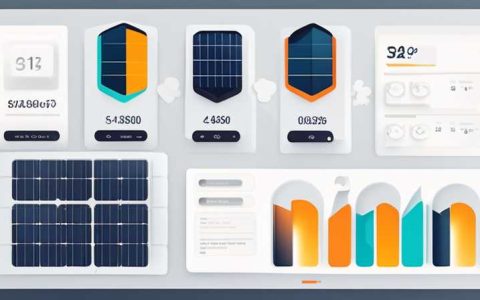
When considering the purchase of solar panels, it is imperative to focus on several key parameters that will influence both your immediate investment and long-term energy efficiency. 1. Cost effectiveness, 2. Efficiency ratings, 3. Warranty options, 4. Type of solar panel are fundamental factors to evaluate, each playing a critical role in your decision-making process. Among these, efficiency ratings warrant a deeper examination, as they determine how effectively the panels convert sunlight into usable electricity. Higher efficiency ratings typically correlate with better performance, particularly in environments with limited space for installation. It is essential to analyze the specific efficiency metrics from various manufacturers to ensure the optimal selection for your needs.
1. UNDERSTANDING SOLAR PANEL TYPES
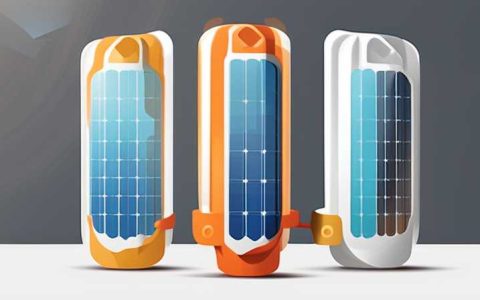
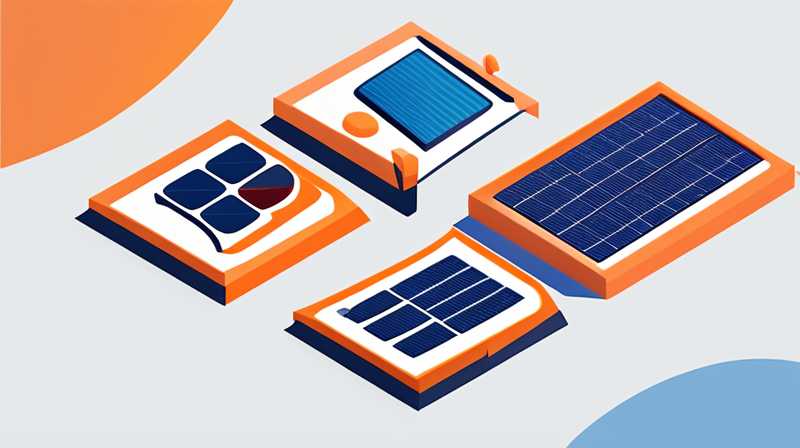
When investing in solar technology, knowledge of the various types of solar panels is crucial. The three primary categories include monocrystalline, polycrystalline, and thin-film models. Each type possesses unique characteristics, advantages, and disadvantages that can affect overall performance, aesthetics, and cost.
MONOCRYSTALLINE SOLAR PANELS
Monocrystalline panels are widely recognized for their high efficiency and sleek appearance. Typically constructed from a single crystal structure, they boast the highest conversion rates of solar energy into electricity, often exceeding 20%. The durability and long lifespan of these panels make them a popular choice among consumers looking for reliable, high-performance solar solutions. Their compact design results in a smaller footprint, meaning they require less space for installation while still providing substantial energy output. However, the cost associated with these panels tends to be higher compared to their counterparts, making them a significant investment upfront.
POLYCRYSTALLINE SOLAR PANELS
The polycrystalline option is another prevalent choice among solar shoppers. Unlike monocrystalline panels, polycrystalline panels are made from multiple silicon crystals, which results in a less efficient energy conversion rate—generally between 15% to 20%. This lower efficiency is supplemented by a more budget-friendly price point, rendering them an appealing option for homeowners with expansive rooftops or open land available for installation. Despite a slight reduction in output efficiency, polycrystalline panels are an economically viable choice for various energy applications, especially for consumers aiming to balance initial costs with potential utility savings.
2. EFFICIENCY RATINGS AND PERFORMANCE
Efficiency ratings play a pivotal role in determining how much sunlight is converted into usable electricity. A solar panel’s efficiency percentage indicates the proportion of solar energy that can be harnessed as electrical power. Higher efficiency translates to greater output for the same surface area, which is advantageous for homeowners with constrained installation spaces.
FACTORS AFFECTING EFFICIENCY
Several factors influence a solar panel’s efficiency beyond the technology employed. Temperature, shading, and orientation significantly affect a panel’s performance. For instance, elevated temperatures can reduce efficiency by causing electrical resistance, leading to diminished output. Similarly, shading from surrounding trees, buildings, or debris can obstruct sunlight, thereby impacting energy generation. Orientation towards direct sunlight, typically due south in the Northern Hemisphere, promotes optimal power production.
RANKINGS AND CERTIFICATIONS
Various independent organizations rank solar panel efficiency based on rigorous testing and certifications, providing valuable insights to buyers. The California Energy Commission (CEC) certifies panels based on their performance and efficiency in real-world conditions, which is crucial for potential users to consider when evaluating options. Independent laboratory assessments, such as those conducted by PVEL and UL, also provide ratings that guide consumers toward high-performing and reliable solar technology. Understanding these ratings can aid buyers in making informed decisions that align with their unique energy needs and long-term investment goals.
3. WARRANTY OPTIONS
Choosing solar panels also entails a careful examination of the warranty options provided by manufacturers. Warranties serve as a safeguard against potential defects, performance issues, and premature system failure. Most reputable manufacturers extend warranties covering both product and performance, typically lasting between 10 to 25 years.
PRODUCT WARRANTY
A product warranty covers the physical components of the solar panels, ensuring they remain functional and effective for the duration specified. This warranty often includes assurances against material defects and workmanship failures, providing purchasers with peace of mind regarding their investment. Understanding the terms and conditions associated with these warranties is paramount, as some manufacturers may require specific installation practices to uphold warranty obligations.
PERFORMANCE WARRANTY
The performance warranty is equally significant, offering assurances regarding energy output over time. This type of warranty typically ensures that the panels will produce a specific percentage of their rated capacity for a certain duration. For example, a common performance warranty stipulates that after 25 years, the panel should still achieve at least 80% of its original output capacity. Buyers should assess the terms outlined within these warranties thoroughly, as they reflect the manufacturer’s confidence in their product as well as the long-term viability of the solar investment.
4. INSTALLATION AND MAINTENANCE CONSIDERATIONS
Proper installation and ongoing maintenance are essential elements that contribute significantly to the longevity and effectiveness of solar panels. The installation process can influence energy output, while adequate upkeep ensures sustained performance over the years.
SELECTING A QUALIFIED INSTALLER
Choosing a qualified solar installer is critical to ensuring optimal panel placement and overall system effectiveness. Homeowners should thoroughly vet potential installers, reviewing their qualifications, customer feedback, and previous projects. Engaging professionals with experience in local conditions and regulations will help ensure that your solar energy system performs at its best. Furthermore, engaging installers who offer comprehensive service, from initial consultation to post-installation support, can significantly enhance the overall experience.
ONGOING MAINTENANCE REQUIREMENTS
Maintenance of solar panels is generally minimal, yet some considerations are vital to preserving their functionality. Regularly cleaning the panels to remove dust, debris, or other obstructions ensures maximum solar absorption. Additionally, monitoring energy output through inverter readings can alert homeowners to any potential issues. Scheduling periodic professional inspections can further enhance longevity and performance; technicians can identify signs of wear and address minor issues before they develop into significant problems.
5. COST ANALYSIS AND FINANCIAL INCENTIVES
Understanding the financial implications is crucial when considering solar panel acquisition. Beyond the initial purchase price, long-term savings and available incentives can significantly impact the overall cost-effectiveness of solar energy systems.
UPFRONT COSTS
The upfront costs associated with purchasing solar panels can vary considerably based on factors such as system size, type of panels, and installation complexity. Financing options, including loans, leases, or power purchase agreements (PPAs), can help mitigate immediate financial burdens. Consumers should conduct a thorough analysis of their budget and financing preferences, weighing the benefits of each option against the anticipated long-term savings generated by solar power.
GOVERNMENT INCENTIVES
Various government incentives, such as tax credits and rebates, can significantly alleviate the financial burden of solar panel installation. In many regions, the Investment Tax Credit (ITC) allows homeowners to deduct a percentage of the installation cost from their federal taxes. Additionally, many states offer incentives like performance-based programs or property tax exemptions for solar installations. Homeowners should research the incentives available in their jurisdiction, as these opportunities can profoundly influence the overall cost-efficiency of transitioning to solar energy.
FREQUENTLY ASKED QUESTIONS
HOW DO SOLAR PANELS WORK?
Solar panels function by utilizing photovoltaic cells to convert sunlight directly into electricity. When sunlight hits these cells, it excites electrons, creating an electric current. This direct current (DC) is subsequently converted into alternating current (AC) via an inverter, making it usable for powering homes. The efficiency of this conversion process—alongside factors like panel type, orientation, and shading conditions—ultimately determines energy production. Over their lifespan, solar panels can produce significant amounts of clean, renewable energy, contributing to energy cost savings and reduced environmental impact.
WHAT MAINTENANCE DO SOLAR PANELS REQUIRE?
Solar panels typically require minimal maintenance to ensure consistent performance. Most of the maintenance involves regular cleanliness checks, removing dust and debris that can obstruct sunlight absorption. Areas prone to organic growth may need periodic treatments to prevent shading. Monitoring energy output through smart inverters can also keep track of panel performance and alert homeowners to potential issues. While many aspects of solar panel performance tend to be low-maintenance, it is advisable that homeowners schedule occasional professional inspections to further bolster efficiency.
HOW CAN I DETERMINE THE RIGHT SIZE OF SOLAR PANEL SYSTEM FOR MY NEEDS?
Determining the appropriate size of a solar panel system necessitates an in-depth analysis of your energy consumption patterns, available installation space, and specific energy goals. Start by evaluating your historical electricity usage over the past year; this information can typically be sourced from your utility bill. Next, consider the capacity of solar panels within the selected system size you’re contemplating. Generally, a residential setup ranges from 5 to 10 kW, depending on energy needs. Lastly, consulting a reputable solar provider can help estimate system size, layout considerations, and specific local regulations to guide an informed purchase decision.
In summary, selecting solar panels involves a detailed assessment of multiple facets—cost effectiveness, efficiency ratings, warranty details, and installation requirements. Each parameter plays a vital role in both the initial investment and long-term viability of solar technology. By considering these aspects carefully, individuals can ensure a choice that aligns well with their energy needs and economic expectations, thus contributing to a sustainable future. Diligent research, a comprehensive understanding of available options, and consultation with professionals can lead to the selection of solar panels that maximize energy generation potential while providing durability and performance benefits. Such a comprehensive approach to investing in solar energy will ultimately empower consumers in their quest for renewable energy solutions tailored to their lifestyle and needs.
Original article by NenPower, If reposted, please credit the source: https://nenpower.com/blog/what-parameters-should-i-look-at-when-buying-solar-panels/