What panels are used for solar power generation?
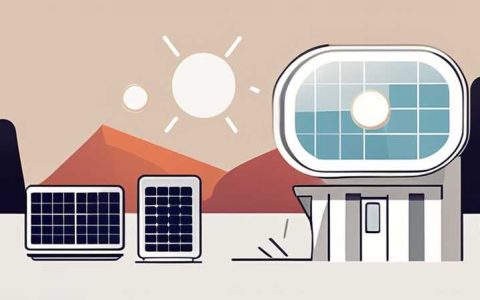
1. SOLAR PHOTOVOLTAIC (PV) PANELS, 2. SOLAR THERMAL PANELS, 3. BIFACIAL PANELS, 4. THIN-FILM PANELS, 5. MONOCRYSTALLINE SOLAR PANELS. Solar photovoltaic panels convert sunlight directly into electricity. They comprise solar cells made of semiconductor materials, with silicon being the most common. The functionality of these panels is contingent upon their ability to harness photons from sunlight, causing electrons to mobilize and generate electric current. One significant development in this field is the improvement in efficiency rates; modern solar panels can convert a significant percentage of solar energy into usable electricity, often exceeding 22% efficiency. Furthermore, the cost of production and installation has decreased, allowing for increased adoption across residential and commercial sectors. Additionally, the environmental benefits, such as reducing carbon footprints and reliance on fossil fuels, make solar PV panels an attractive option for sustainable energy solutions.
1. SOLAR PHOTOVOLTAIC (PV) PANELS
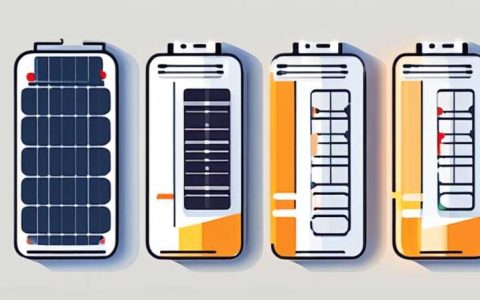
Solar photovoltaic panels, commonly referred to as solar panels, play a pivotal role in energy generation through converting sunlight into electrical energy. These panels are primarily composed of solar cells, which utilize the photovoltaic effect. When light strikes these cells, it creates an electric field across the layers of silicon, producing electricity. The essential components of a solar panel include the glass cover, the encapsulant, the solar cells themselves, a backsheet, and the junction box.
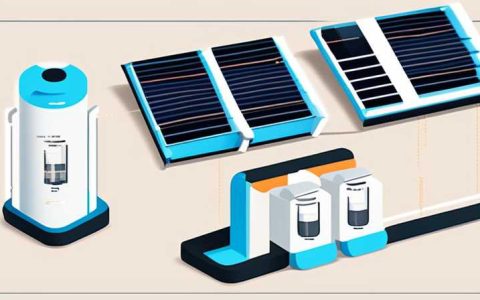
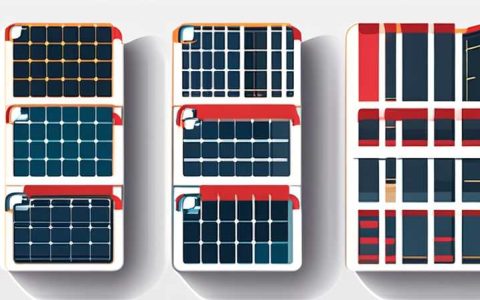
An array of solar panels typically makes up a solar power system. Different panel configurations and technologies exist based on efficiency and manufacturing methods. Monocrystalline, polycrystalline, and thin-film solar panels feature varying degrees of efficiency and price points. The monocrystalline panels, recognized for their high efficiency and sleek aesthetic, are made from a single crystal structure, allowing them to occupy less space while producing more electricity. In contrast, polycrystalline panels are constructed from multiple silicon crystals, leading to a more cost-effective yet less efficient product, representing a frequent choice for residential use.
2. SOLAR THERMAL PANELS
Solar thermal technology operates differently from photovoltaic systems, focusing on harnessing sunlight to produce heat rather than electricity. Solar thermal panels, often used in residential heating and hot water systems, capture solar energy through collectors. The most common types are flat-plate collectors and evacuated tube collectors. Flat-plate collectors are insulated boxes with a transparent cover aimed directly at the sun. They absorb sunlight and transform it into heat, which transfers to a fluid circulating within the system.
Evacuated tube collectors consist of a series of glass tubes, each containing an absorber plate and a fluid that collects the heat generated. The advanced design minimizes heat loss due to thermal insulation, thus significantly enhancing efficiency. This technology is particularly advantageous in colder climates, where maintaining water temperature is crucial. As the demand for sustainable heating solutions increases, solar thermal systems provide a reliable alternative for residential and commercial space heating, emphasizing energy independence and reduced utility costs.
3. BIFACIAL PANELS
Bifacial solar panels are an innovative development in the solar energy sector, designed to capture sunlight from both sides. This technology utilizes a transparent back sheet and enhanced cell designs, allowing light to enter from the rear side as well as the front. Studies have shown that bifacial panels can produce a higher energy yield compared to traditional panels, often resulting in 10% to 20% more electricity. By optimizing both sides, these panels can effectively harness reflected sunlight from surrounding surfaces such as roofs, ground, and other reflective materials.
The installation of bifacial panels requires careful consideration of orientation and ground surface reflectivity to maximize efficiency. They are particularly effective in installations with high ground albedos, such as snowy areas or reflective pavements, which can amplify the amount of sunlight hitting the rear side of the panel. Moreover, their durability and resilience to harsh weather conditions make them an appealing option for large-scale solar farms. As energy demands rise and technology advances, bifacial panels are becoming increasingly popular for commercial and utility-scale installations.
4. THIN-FILM PANELS
Thin-film solar panels are an emergent technology that offers flexibility and lightweight alternatives to conventional solar technologies. Manufactured by depositing thin layers of photovoltaic material onto surfaces like glass, plastic, or metal, these panels are notably lighter and more flexible than their crystalline counterparts. While thin-film panels typically have lower efficiency ratings, ranging from 10% to 12%, their versatility allows for broader applications in space-constrained environments or unique architectural designs.
Thin-film technology encompasses several materials, including cadmium telluride (CdTe), amorphous silicon (a-Si), and copper indium gallium selenide (CIGS). Each type has its own set of advantages and challenges regarding efficiency, cost, and environmental impact. For instance, CdTe panels offer low production costs but raise concerns around heavy metal disposal. On the other hand, CIGS panels have higher efficiencies and better aesthetics, making them suitable for building-integrated photovoltaics (BIPV). As the industry shifts towards more sustainable energy solutions, thin-film panels represent a dynamic aspect of solar technology that adapts to varying needs.
FAQs
WHAT IS THE DIFFERENCE BETWEEN MONOCRYSTALLINE AND POLYCRYSTALLINE SOLAR PANELS?
Monocrystalline and polycrystalline solar panels differ primarily in their manufacturing processes and efficiency ratings. Monocrystalline panels are constructed from a single crystal structure, offering higher purity of silicon. As a result, they typically achieve efficiencies ranging from 20% to over 23%, making them suitable for spaces where maximizing energy output is critical. On the other hand, polycrystalline panels are made from multiple silicon crystals melted together, leading to a lower efficiency range, usually between 15% and 20%. However, polycrystalline panels are often more affordable, appealing to consumers with budget constraints. Additionally, the aesthetic differences are notable; monocrystalline panels have a sleek black finish, while polycrystalline panels display a bluish hue. The choice between these two types will ultimately depend on one’s specific energy needs, installation space, and personal preferences regarding budget and appearance.
HOW DOES SOLAR PANEL EFFICIENCY AFFECT ENERGY PRODUCTION?
The efficiency of solar panels determines the proportion of sunlight converted into usable electricity. Typically expressed as a percentage, a higher efficiency rating indicates a greater capacity to perform under limited space and lower sunlight conditions. For example, a panel with 20% efficiency converts 20% of the sunlight it receives into electricity. This directly impacts the amount of energy produced; thus, an efficient panel can generate more electricity in a smaller area, which is particularly beneficial for residential rooftops with limited space. Conversely, lower efficiency panels require larger installations to achieve sufficient energy production, potentially increasing installation costs and land use. Additionally, the efficiency of solar technology may also vary with environmental factors, such as temperature, shading, and angle of sunlight exposure. Understanding panel efficiency is crucial for optimizing energy output and maximizing the return on investment for solar power systems.
WHAT ARE THE INITIAL COSTS AND LONG-TERM BENEFITS OF SOLAR PANELS?
Initial costs of solar panel installation typically include the purchase of the panels, inverter systems, mounting hardware, and labor for installation. Depending on factors such as the type of panel, size of the system, and location, these costs can vary significantly. However, many homeowners and businesses invest in solar energy due to the long-term benefits, primarily financial savings and environmental sustainability. Over time, solar panels can lead to significant reductions in electricity bills, and with governmental incentives and rebates, initial expenditures can be mitigated. Additionally, solar panels increase property value, as homes equipped with solar systems often sell faster and at higher prices compared to their non-solar counterparts. The long-term benefits extend beyond financial gains, as utilizing solar energy contributes to reducing greenhouse gas emissions and fostering a more sustainable future.
Solar panels represent a significant advancement in renewable energy technology, showcasing diverse options such as photovoltaic, thermal, bifacial, and thin-film systems. Each type serves specific applications and preferences, reflecting the industry’s progressive evolution toward sustainability. The transition to solar energy not only addresses pressing environmental challenges but also offers homeowners, businesses, and governments a viable pathway toward energy independence and economic savings.
Embracing solar energy is crucial for future generations. Not only does solar power offer a renewable energy source, but its integration into daily life can significantly reduce reliance on fossil fuels and facilitate the transition towards a more sustainable and eco-friendly future. While the technology continues to develop, innovations like bifacial and thin-film panels provide increasingly versatile and efficient solutions for various applications. As research continues to improve solar technology and reduce costs, more individuals and organizations can gain access to these benefits, driving wider adoption of solar systems across the globe. The journey towards a cleaner and more sustainable energy future necessitates an appreciation and understanding of the varying types of solar panels available, thus empowering consumers to make informed choices regarding their environmental impact and energy consumption.
Original article by NenPower, If reposted, please credit the source: https://nenpower.com/blog/what-panels-are-used-for-solar-power-generation/