

To minimize the impact of solar farms on farmland, several effective measures can be implemented across planning, construction, and operational phases:
Site Selection and Design
- Prioritize use of existing non-agricultural lands: Avoid building solar farms on prime cropland by locating projects on rooftops, idle lands, marginal soils, or already disturbed areas such as brownfields and water bodies like irrigation ditches.
- Use driven-post foundations instead of concrete footings: This reduces soil disturbance and preserves future agricultural potential by limiting irreversible land conversion.
Soil and Vegetation Management
- Implement erosion control measures: Use vegetation barriers, erosion control blankets, and ground cover to stabilize soil, preventing wind and water erosion around solar panels.
- Promote perennial vegetation growth: Establishing native or local perennial plants beneath and around solar arrays stabilizes soil, enhances biodiversity, and can provide habitat for pollinators and wildlife.
- Minimize clearing of existing hedgerows and trees: Preserve natural landscape elements that support soil health and ecological balance.
Water and Runoff Management
- Incorporate stormwater controls: Designing solar farms with features such as retention basins or swales mitigates runoff and reduces erosion risks, protecting nearby farmland and waterways.
Conservation and Restoration Practices
- Follow mitigation hierarchy: Avoid impacts where possible, minimize unavoidable impacts through careful construction and maintenance, and restore habitats by replanting native vegetation after construction.
- Offset unavoidable impacts: When on-site restoration is insufficient, create or enhance habitats elsewhere to maintain ecological services and farmland viability.
Sustainable Operational Strategies
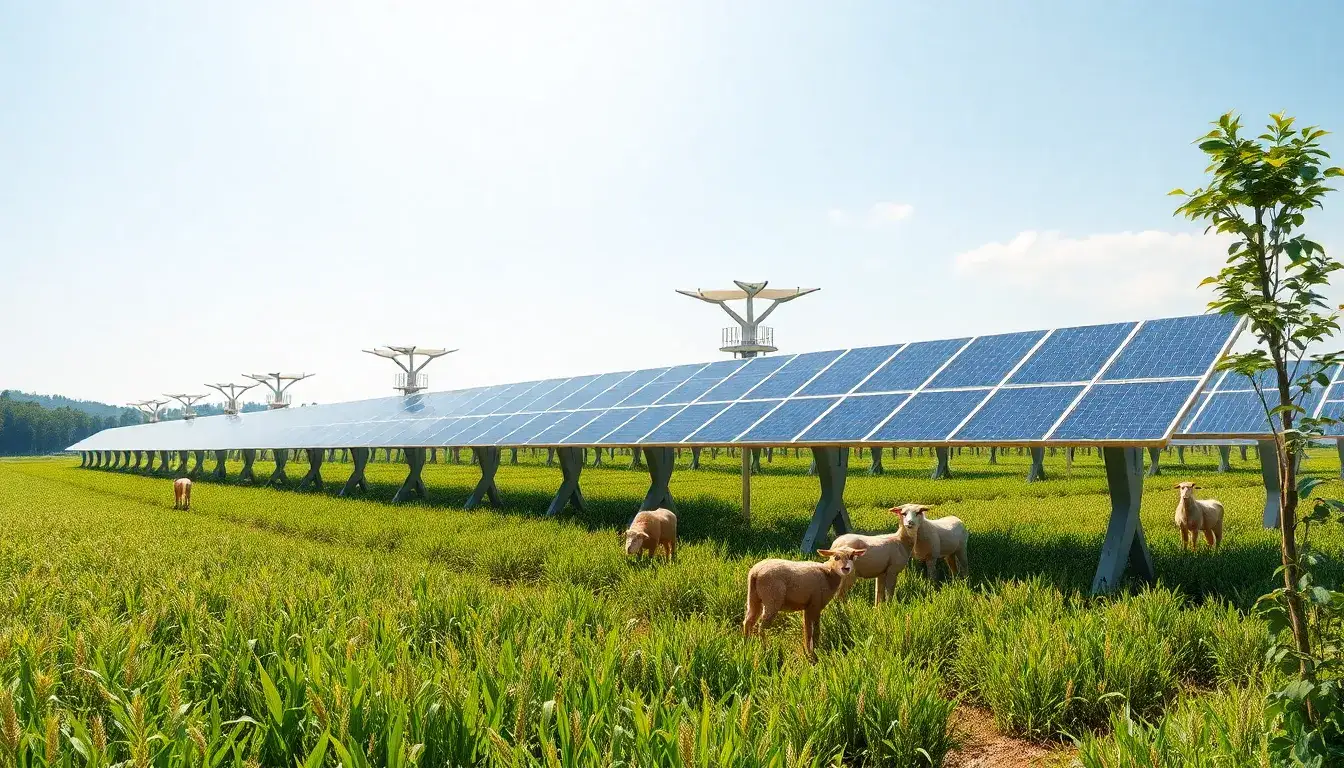
- Reduce land use conflicts: Favor rooftop solar or dual-use (agrivoltaic) approaches where farming and solar energy production coexist, maintaining agricultural productivity alongside energy generation.
By integrating these strategies—careful siting, soil and water conservation, vegetation management, and ecological restoration—solar farms can significantly reduce their footprint on farmland while supporting sustainable energy goals and preserving agricultural potential.
Original article by NenPower, If reposted, please credit the source: https://nenpower.com/blog/what-measures-can-be-taken-to-minimize-the-impact-of-solar-farms-on-farmland/

