

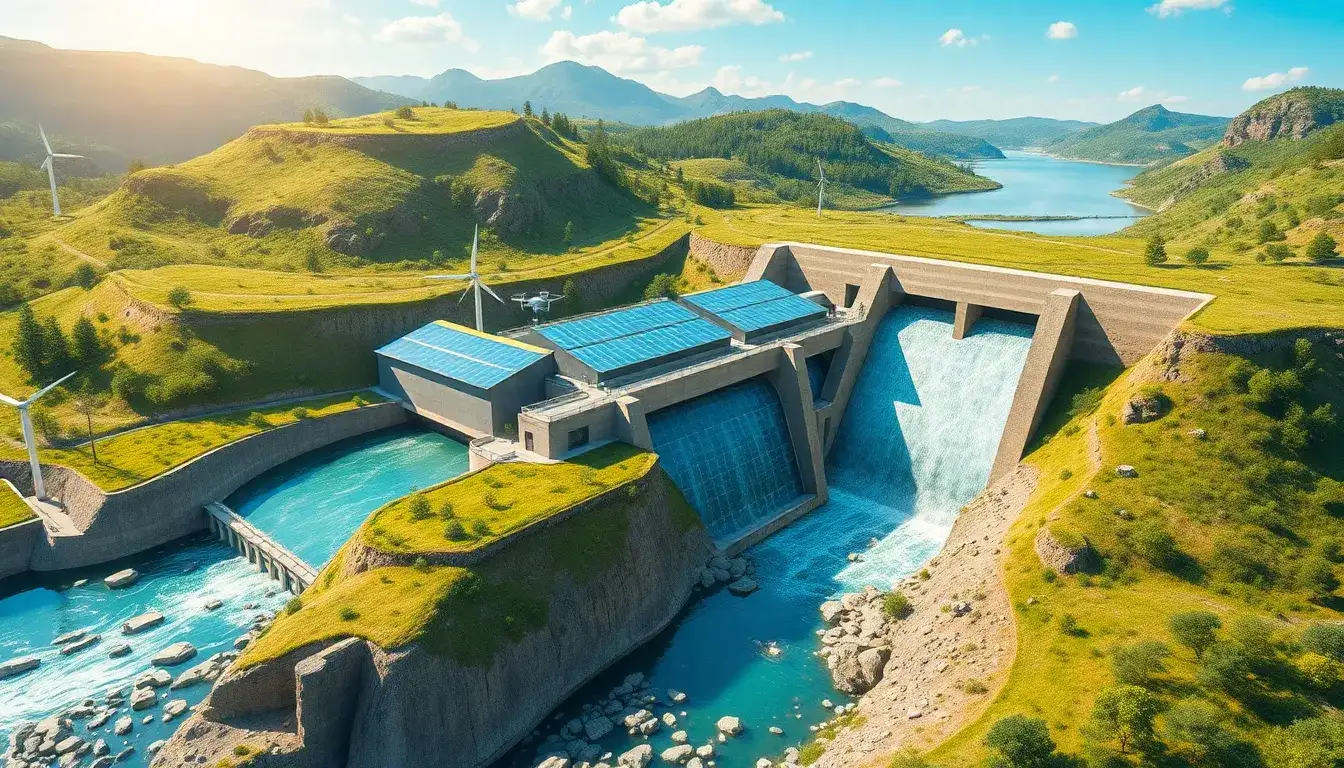
To minimize the environmental impacts of pumped hydro storage facilities, several measures can be implemented:
Measures to Minimize Environmental Impacts
1. Closed-Loop Systems
- Design: Implement closed-loop systems where water is circulated between two artificial reservoirs not connected to natural water courses. This design reduces interference with natural water flows and aquatic ecosystems.
- Advantages: Offers greater siting flexibility and potentially lower long-term environmental impacts compared to open-loop systems.
2. Brownfield and Repurposed Sites
- Site Selection: Identify brownfield sites or repurpose existing infrastructure like abandoned mines or quarries for pumped hydro storage. This can minimize both environmental and social impacts.
- Benefits: Reduces the need for new land excavation and lowers the global warming potential by up to 20% compared to greenfield sites.
3. Siting and Design Considerations
- Location: Locate facilities away from sensitive ecosystems and natural habitats to minimize ecological disruption.
- Design Flexibility: Utilize innovative designs that can integrate with existing landscapes or natural features to reduce visual and environmental impacts.
4. Mitigation Strategies
- Environmental Assessments: Conduct thorough environmental impact assessments during the planning stage to identify potential risks and develop strategies to mitigate them.
- Stakeholder Engagement: Engage with local communities, environmental groups, and indigenous peoples to ensure that project impacts are minimized and benefits are shared.
5. Construction Practices
- Efficient Construction: Optimize construction processes to reduce the duration and footprint of the project, minimizing habitat disruption and soil disturbance.
- Material Selection: Use sustainable materials or locally sourced materials where possible to reduce transportation-related emissions and support local economies.
6. Operations and Maintenance
- Operational Efficiency: Implement efficient operational practices to ensure minimal water loss and energy waste during both pumping and generating phases.
- Continuous Monitoring: Regularly monitor water quality, local ecosystems, and facility performance to identify areas for improvement and ensure compliance with environmental regulations.
By adopting these measures, the development and operation of pumped hydro storage facilities can be made more environmentally sustainable while maintaining their role in supporting renewable energy systems.
Original article by NenPower, If reposted, please credit the source: https://nenpower.com/blog/what-measures-can-be-taken-to-minimize-the-environmental-impacts-of-pumped-hydro-storage-facilities/

