

Minimizing evaporation losses in pumped hydroelectric systems is crucial for optimizing their efficiency. Here are some measures that can be taken:
Measures to Minimize Evaporation Losses
- Location Selection:
- Wet Environments: Choosing locations with higher rainfall and lower evaporation rates can help in reducing water loss through evaporation.
- Mountainous Regions: Typically, pumped hydro systems are built in mountainous or hilly terrain, which may reduce direct sunlight and wind exposure, thereby lowering evaporation.
- Reservoir Design and Maintenance:
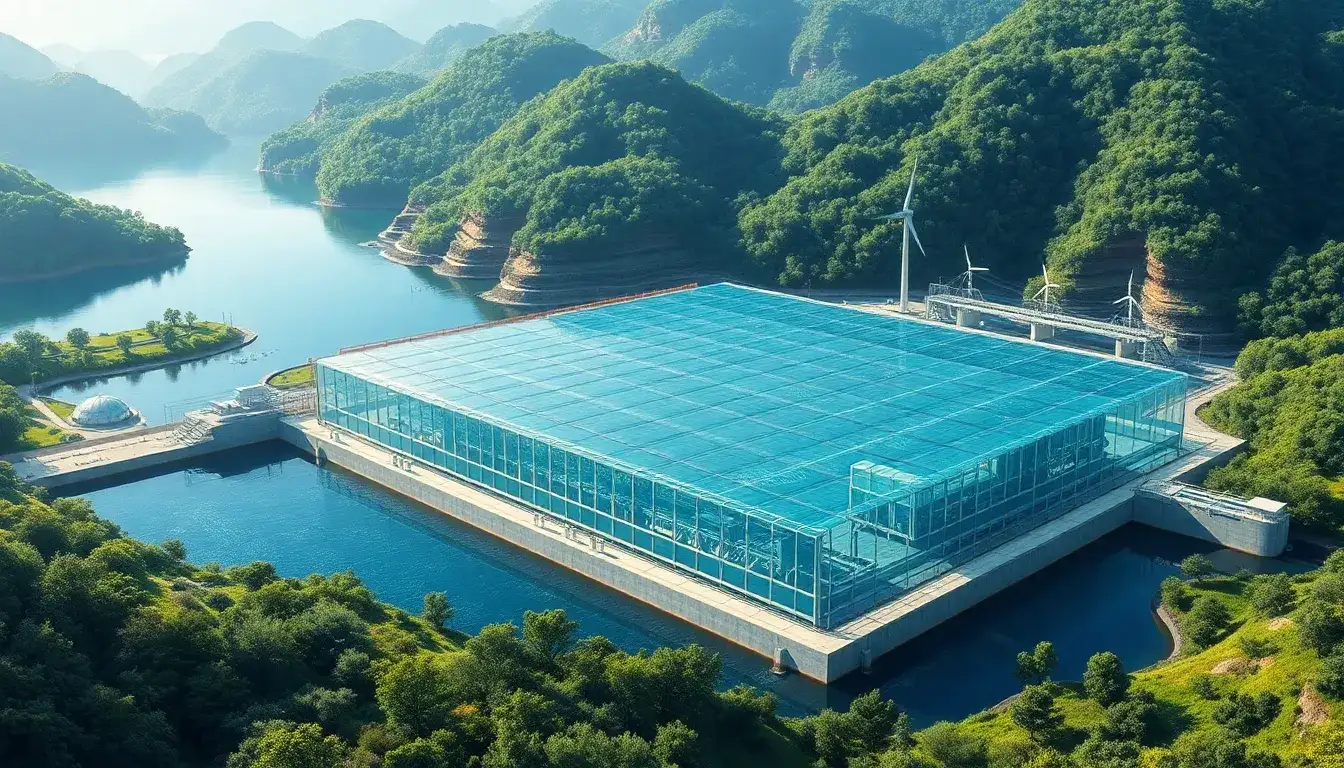
- Covering Reservoirs: Partially or fully covering the reservoirs with floating solar panels or other materials can reduce evaporation.
- Shading: Implementing shading structures around the reservoirs to minimize direct sun exposure can also help reduce evaporation.
- Water Management:
- Efficient Water Use: Ensuring efficient water usage and minimizing the total water volume exposed can help reduce evaporation.
- Regular Maintenance: Regular inspections to prevent seepage and maintain reservoir integrity can also help mitigate water loss.
- Operational Strategies:
- Time-Optimized Operations: Operating the system during cooler parts of the day or at night when evaporation rates are lower can be beneficial.
- Dynamic Pumping and Discharging: Implementing strategies to minimize the time water spends in the upper reservoir, where it is most exposed to evaporation, can also help.
- Combining with Other Systems:
- Hybrid Systems: Integrating pumped hydro with renewable energy sources like solar or wind can optimize operations and reduce overall water exposure.
These measures can help in reducing the impact of evaporation losses, thereby improving the overall efficiency of pumped hydroelectric systems.
Original article by NenPower, If reposted, please credit the source: https://nenpower.com/blog/what-measures-can-be-taken-to-minimize-evaporation-losses-in-pumped-hydroelectric-systems/

