

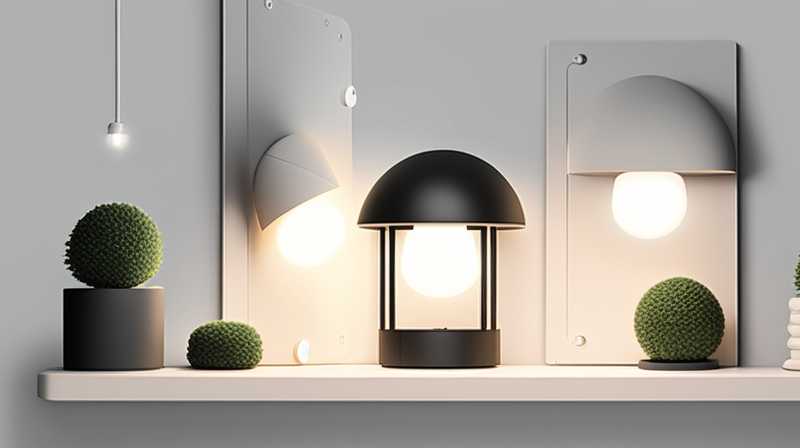
Choosing the appropriate material for solar wall lights is crucial for their durability, efficiency, and aesthetic appeal. 1. Solar wall lights should be made from rust-resistant materials, 2. They ought to have good light diffusion properties, 3. The materials used should withstand extreme weather conditions, 4. A balance between cost-effectiveness and quality must be maintained. One of the most critical factors is using rust-resistant materials such as aluminum or stainless steel. These materials ensure the longevity of solar wall lights by preventing corrosion and degradation over time, particularly in areas with high humidity or precipitation. Additionally, materials must be selected that not only enhance the product’s lifespan but also contribute to optimal performance by efficiently allowing the diffusion of light.
1. MATERIALS WITH LONGEVITY
When selecting materials for solar wall lights, durability is a crucial aspect to consider. Aluminum is a popular choice due to its lightweight nature combined with sturdy strength. It is resistant to rust, which increases its life span, especially in harsh environmental conditions. This metal can withstand fluctuating temperatures and is not prone to warping. Furthermore, aluminum’s aesthetic versatility allows for various designs, which can cater to diverse homeowner preferences.
In addition to aluminum, stainless steel serves as another excellent option for solar wall lights. Known for its high resistance to tarnishing and corrosion, stainless steel maintains its luster over time. Homeowners often prefer this material due to its sleek, modern appearance. Investing in stainless steel models can make a statement while ensuring that the lights remain functional and visually pleasing for several years.
2. LIGHT DIFFUSION AND EFFICIENCY
Another integral factor in choosing the materials for solar wall lights pertains to light diffusion. The ability of a material to effectively distribute warm light is essential for creating a welcoming and pleasant atmosphere in outdoor settings. Glass is often utilized for the lens or covering of solar wall lights. It possesses superior light transmittance, meaning it allows more light to pass through compared to other materials like plastic. This increased transparency not only provides better illumination but also enhances the product’s aesthetic appeal.
Moreover, when evaluating light diffusion, one must consider the impact of the design and construction of the walls themselves. Lightweight materials can be beneficial in terms of installation, as they often require fewer structural reinforcements. However, they should not compromise light output. Thus, it’s advisable to find the right balance by combining materials that ensure light efficiency without sacrificing durability or versatility in design.
3. WEATHER RESISTANCE
Solar wall lights must be built to withstand various environmental challenges. Rain, snow, wind, and temperature fluctuations can affect performance and longevity. While selecting materials, consider the geographical location and climate conditions of the installation area. Polycarbonate, for instance, is frequently utilized in solar lights due to its high impact resistance and weatherproof qualities. Unlike glass, polycarbonate is virtually unbreakable and can endure severe weather without shattering or becoming damaged.
Moreover, UV resistance is another key property that should not be overlooked. Materials that can withstand prolonged exposure to sunlight without fading or degrading will ultimately maintain their appearance and performance over time. A combination of UV-resistant plastics or powders applied to metal surfaces can provide additional protection, retaining the visual appeal while ensuring the device remains functional.
4. COST-EFFECTIVENESS VERSUS QUALITY
While there is a plethora of materials available, homeowners should prioritize a balance between cost-effectiveness and quality. A cheaper alternative might seem appealing initially, but it could lead to greater long-term expenses due to repairs, replacements, or decreased efficiency. Considering the lifecycle costs associated with the materials is advantageous. Investing in high-quality solar wall lights made of premium materials can save homeowners money in the long run, as they may require less frequent replacements.
Furthermore, the sourcing of materials also plays a significant role in determining overall costs. Sustainable materials may come at a premium initially but offer environmental benefits and can appeal to eco-conscious consumers. Exploring local suppliers that offer durable materials could reduce shipping costs and contribute to local economies, enhancing both sustainability and cost-effectiveness.
FAQs
WHAT IS THE BEST MATERIAL TO USE FOR SOLAR WALL LIGHTS?
When it comes to materials for solar wall lights, aluminum and stainless steel are excellent choices due to their durability and resistance to atmospheric elements. Aluminum is lightweight and rust-resistant, making it ideal for outdoor applications, while stainless steel provides a modern aesthetic and high corrosion resistance. Polycarbonate and glass are also key materials; the former is virtually unbreakable, providing weather resistance, while the latter offers exceptional light transmittance. A combination of these materials can enhance functionality while maintaining an appealing design.
DO SOLAR WALL LIGHTS WORK IN COLD WEATHER?
Yes, solar wall lights can operate in cold weather; however, their performance may be affected by extreme temperatures. Most solar wall lights are designed to withstand a range of environmental conditions, but extremely cold temperatures can reduce battery efficiency and light output. It is advisable to choose models engineered with high-quality batteries that can withstand lower temperatures. The inclusion of weather-resistant constructions will help ensure that the device continues functioning throughout winter while maintaining illumination levels as expected.
HOW LONG DO SOLAR WALL LIGHTS LAST?
The longevity of solar wall lights depends on numerous factors, including the materials used, the manufacturing quality, and how well they are maintained. Typically, high-quality solar wall lights made from resilient materials like aluminum or stainless steel can last for several years, often 5 to 10 years or longer with proper care. Regularly cleaning solar panels and checking batteries can prolong their life span. Be sure to follow manufacturer guidelines for maintenance to ensure optimum performance and longevity.
The importance of selecting appropriate materials for solar wall lights cannot be overstated as choosing the right components significantly impacts functionality, durability, and aesthetic appeal. The interplay between weather resistance, cost-effectiveness, light diffusion, and longevity should guide consumers in their decisions. Notably, sustainable materials may come at an initial premium but often reduce expenses in the long term due to their durability and efficiency.
Aluminum and stainless steel exemplify premium choices, offering excellent resistance to corrosion while allowing for diverse design aesthetics. Meanwhile, polycarbonate and glass are essential for effective light diffusion. Additionally, understanding the local climate and selecting materials that can withstand these conditions will ensure solar lights remain functional and attractive. So, when contemplating solar wall lights, keep in mind the significance of materials; they determine not only the lights’ appearance and cost but their performance and life span as well. Ultimately, finding the right balance between affordability and quality can result in a worthwhile investment that enhances outdoor spaces for years to come.
Original article by NenPower, If reposted, please credit the source: https://nenpower.com/blog/what-material-should-i-choose-for-solar-wall-lights/

