

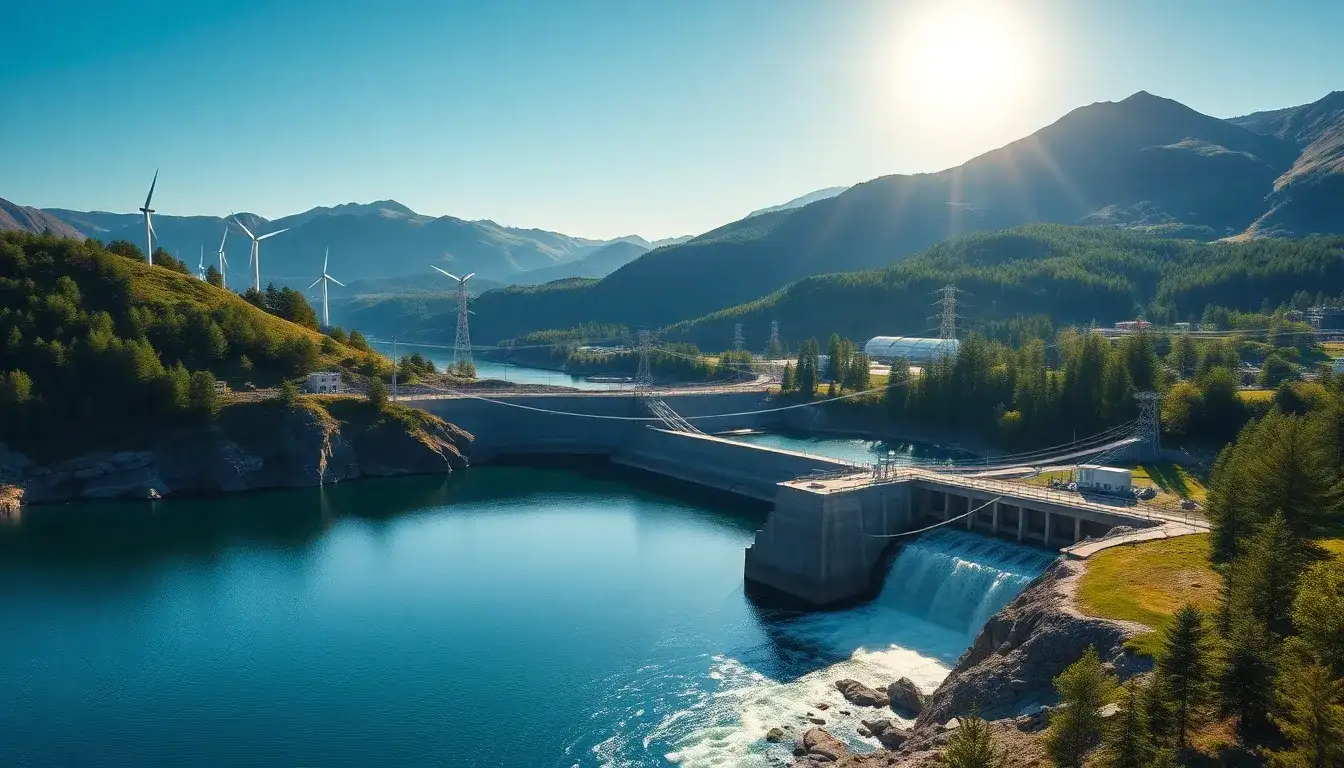
Pumped hydroelectric energy storage (PHES) is considered independent from raw materials primarily because it does not require the extraction or processing of additional raw materials to operate. Instead, it uses water, which is cycled between two reservoirs: an upper and a lower one. During surplus power periods, water is pumped from the lower reservoir to the upper one, and during peak demand, water is released from the upper to the lower reservoir to generate electricity.
The key to this independence is that PHES relies on existing water resources and infrastructure, such as natural or man-made reservoirs, rather than needing continuous supplies of fuel or other raw materials. The long asset life and low lifetime cost of these systems also contribute to their sustainability and independence from frequent raw material inputs.
Additionally, advancements like geomechanical PSH, which utilizes underground high-pressure water storage beneath rock formations, further reduce the need for specific landscapes or extensive civil works, thus minimizing reliance on specific geological or geographical raw material conditions. This makes PHES a self-sustaining storage solution with minimal dependency on external raw materials.
Original article by NenPower, If reposted, please credit the source: https://nenpower.com/blog/what-makes-pumped-hydroelectric-energy-storage-independent-from-raw-materials/

