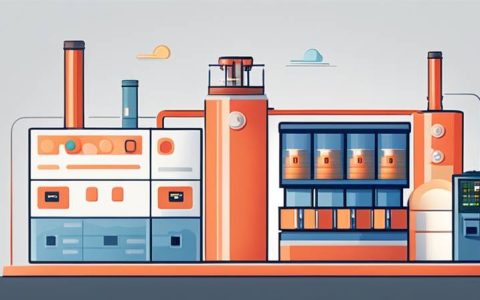
The energy storage power station generally falls into multiple classifications based on technology, capacity, and purpose. 1. These classifications include utility-scale systems, behind-the-meter storage, and distributed generation. 2. Utility-scale systems are designed for grid-level applications and can store large amounts of energy for widespread distribution. 3. Behind-the-meter solutions typically empower individual consumers or businesses to utilize stored energy, enhancing their energy independence. 4. Distributed generation refers to smaller installations that contribute to localized energy supply, often integrating renewables such as solar or wind.
The core concept of energy storage revolves around its ability to store excess energy for later use, enhancing system reliability, facilitating renewable integration, and optimizing energy management. It addresses intermittency issues associated with renewable sources, making it an essential element for future energy resilience.
1. CLASSIFICATION OF ENERGY STORAGE POWER STATIONS
Energy storage power stations can be categorized into several types depending upon their applications and technologies. This classification helps in understanding their operational characteristics, efficiency, and integration into existing energy systems. The two primary categories include mechanical energy storage, chemical energy storage, and electromagnetic energy storage.
MECHANICAL ENERGY STORAGE
Mechanical energy storage involves physical systems that store energy in various forms. Pumped hydro storage, one of the most established technologies, utilizes the gravitational potential energy of water. During periods of low demand, excess electricity is used to pump water to an elevated reservoir. When demand spikes, the stored water is released, spinning turbines to generate electricity. This technique accounts for a significant portion of global energy storage capacity, as it’s immensely efficient for large-scale deployments.
Another notable example is compressed air energy storage (CAES), wherein air is compressed in underground caverns during low energy demand. When the grid requires additional energy, the compressed air is heated and released to drive a turbine, generating electricity. Though this technology is still less common than pumped storage, it holds great promise for enhancing grid stability and integrating variable renewable energy sources.
CHEMICAL ENERGY STORAGE
Chemical energy storage primarily consists of batteries and fuel cells, which store energy in chemical forms. Among batteries, lithium-ion technology dominates the landscape due to its high energy density and efficiency. These batteries are prevalent in applications ranging from small electronics to electric vehicles and grid storage.
ELECTROMAGNETIC ENERGY STORAGE
Electromagnetic energy storage utilizes electric and magnetic fields to store energy. Supercapacitors, for example, offer rapid charging and discharging capabilities, but they typically have lower energy density compared to batteries. However, their ability to provide bursts of power makes them well-suited for applications requiring quick energy delivery and high cycle life, such as regenerative braking in electric vehicles.
2. THE ROLE OF ENERGY STORAGE IN GRIDS
The integration of energy storage systems into electrical grids represents a transformational advancement in the pursuit of sustainable energy solutions. Energy storage improves grid flexibility, resilience, and efficiency by enabling better management of renewable energy resources.
FLEXIBILITY AND MODERNIZATION
The dynamism of modern grids demands that they accommodate both variable renewable energy sources and consumer demand fluctuations. Energy storage systems act as a flexible resource, allowing grid operators to manage generation and consumption effectively. For instance, during peak generation hours in solar-rich regions, energy storage can absorb the excess production. This capability mitigates the risk of energy wastage and ensures that electricity remains accessible when demand surges, particularly in the evening and early morning hours.
RESILIENCE THROUGH STORAGE
Energy storage also enhances grid resilience in the face of disruptions. During unforeseen outages caused by natural disasters or equipment failures, storage systems can provide backup power—often within milliseconds. This capacity to switch between supplying and storing electricity can safeguard against economic losses and enable quick recovery, thereby reinforcing the system’s overall reliability.
3. FINANCIAL IMPLICATIONS OF ENERGY STORAGE
While the operational advantages of energy storage are significant, exploring the financial implications is essential. The economic viability of energy storage solutions often undergoes scrutiny, focusing on the estimated costs versus potential savings.
COST ANALYSIS
Investments in energy storage systems have historically been hampered by high initial capital costs. However, as technological advancements drive down costs, energy storage appears more profitable than ever. Battery prices have decreased significantly over the last decade, making lithium-ion batteries more accessible for utility and consumer applications alike. This trend will likely continue due to ongoing research and development, economies of scale, and increased competition.
POTENTIAL SAVINGS
Finding financial justification for energy storage investments requires considering the multitude of savings associated with them. For utilities, integration of storage can defer infrastructure upgrades, such as new power plants or grid expansions. Moreover, energy storage enables demand charge management, allowing commercial and industrial consumers to reduce peak demand charges and enhance energy efficiency. Ultimately, successful financial modeling will highlight the long-term benefits, significant cost reductions, and revenue-generating opportunities associated with these systems.
4. ENVIRONMENTAL IMPACTS OF ENERGY STORAGE
The ecological implications of energy storage technologies compel stakeholders to assess sustainability fully. While energy storage contributes positively to renewable energy adoption, certain factors influence their overall environmental balance.
ENVIRONMENTAL FOOTPRINT
Battery production, particularly lithium-ion batteries, poses environmental challenges. Mining processes for lithium, cobalt, and other essential materials involve water resource depletion and habitat disruption. Additionally, chemical wastes generated during production must be managed appropriately to mitigate potential harm. Research initiatives are underway to advance recycling technologies and more sustainable extraction methods, aiming to alleviate these concerns and promote circular economy practices.
CONTRIBUTION TO GREEN ENERGY TRANSITION
Despite the environmental costs of production, energy storage remains pivotal for transitioning to renewable energy systems. By functioning as a buffer against intermittency, storage enhances the viability of solar, wind, and other renewable resources. These technologies mark a substantial shift from fossil fuel reliance towards a more sustainable future. Consequently, the benefits presented by energy storage—combined with ongoing advancements and stringent regulations—underscore their role in addressing climate change challenges.
QUESTIONS FREQUENTLY ASKED
WHAT ARE THE MAIN TYPES OF ENERGY STORAGE TECHNOLOGIES?
Several prominent energy storage technologies include pumped hydro storage, lithium-ion batteries, compressed air energy storage, and flywheels. Each technology boasts unique characteristics tailored to specific applications. Pumped hydro storage represents a mature technology with substantial capacity; it leverages water to provide large-scale energy management. Lithium-ion batteries are prevalent in consumer electronics and electric vehicles, offering high energy density and responsiveness. Compressed air and flywheels provide alternative means of energy storage, emphasizing speed and efficiency in specific contexts. The ongoing advancements across these technologies are leading to enhanced efficiency, scalability, and cost reductions, paving the way for a resilient energy landscape.
HOW DOES ENERGY STORAGE INTERACT WITH RENEWABLE ENERGY SOURCES?
Energy storage systems function synergistically with renewable energy sources to enhance grid stability and performance. These systems can store surplus electricity generated from solar or wind during non-peak hours, effectively mitigating the intermittent nature of these sources. By storing excess energy, storage facilitates a consistent electricity supply when renewable generation ebbs – for instance, during cloudy days or calm winds—ensuring reliability for consumers. This integration fosters a more flexible and sustainable energy landscape while accelerating the transition towards predominantly renewable energy systems characterized by reduced reliance on fossil fuels.
WHAT ARE THE CHALLENGES FACING ENERGY STORAGE DEPLOYMENT?
Despite the compelling benefits of energy storage, challenges persist in its deployment. High upfront costs, regulatory hurdles, and limited public awareness can hinder widespread adoption. Developing appropriate regulations and incentives is necessary to motivate stakeholders, from utilities to consumers, to invest in energy storage technologies. Furthermore, misconceptions about energy storage’s capabilities may deter potential users. Public outreach, education, and pilot projects will help bridge these gaps, enabling society to realize the full potential of these solutions within integrated energy systems. Addressing these concerns collectively fosters the growth of energy storage solutions as a cornerstone for future sustainable energy applications.
The exploration of the energy storage power station’s classification, significance, fiscal concerns, and environmental impact paints a comprehensive picture of its integral role in modern energy infrastructure. Energy storage epitomizes technological innovation, enabling the evolution of our power systems towards a greener and more sustainable paradigm. Whether categorized as mechanical, chemical, or electromagnetic, the diverse storage solutions all contribute uniquely to resolving issues related to grid stability, climate change, and energy independence. As battery technologies advance, economies of scale come into play, and the environmental challenges related to production and disposal are addressed, energy storage exhibits transformative potential in reshaping our collective energy future. Engaging with these multifaceted nuances ensures an optimized and informed approach as we navigate the path toward sustainable energy resilience. The confluence of improved technologies, socioeconomic benefits, and environmental recoveries will ultimately lead to energy storage being recognized not just as a necessary component of modern grids but as a pivotal driver of progress in the energy paradigm.
Original article by NenPower, If reposted, please credit the source: https://nenpower.com/blog/what-level-does-the-energy-storage-power-station-belong-to/