

Certainly! Here is the article based on your specified title and requirements.
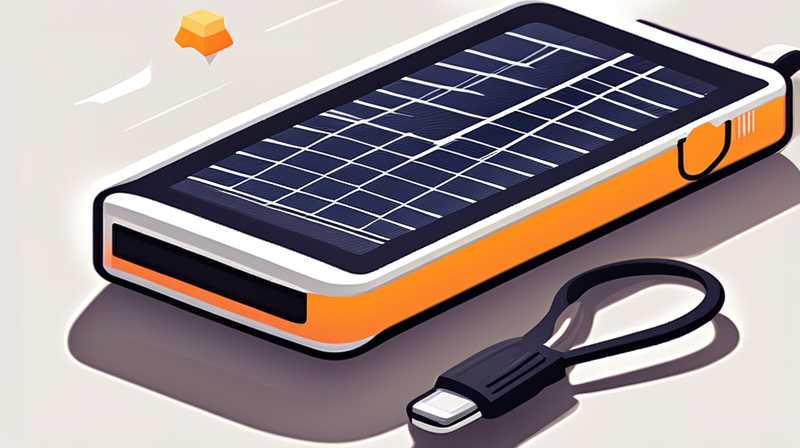
When considering a solar charger, several attributes make a unit exceptional: 1. Efficiency rating, 2. Portability factor, 3. Durability against elements, 4. Versatility and compatibility. A great solar charger should efficiently convert sunlight into electricity, enabling users to power various devices effectively. For example, a charger designed with advanced solar panel technology can dramatically enhance charging speeds, especially in diverse outdoor conditions. A model that also possesses robust construction will better serve outdoor enthusiasts or individuals in unpredictable weather zones.
1. EFFICIENCY RATING
In the realm of solar chargers, efficiency rating emerges as a critical characteristic. This rating denotes the percentage of sunlight that a solar panel converts into usable energy. High-quality solar panels often boast efficiency ratings of over 20%. A superior unit with increased efficiency not only charges devices more rapidly but also maximizes energy output in limited sunlight exposure scenarios. Such chargers often employ advanced materials and technologies that facilitate solar energy capture, proving essential for users who require reliable power in outdoor environments.
Moreover, efficiency ratings can vary significantly between different solar charger models. For instance, monocrystalline panels often outperform their polycrystalline counterparts due to better arrangement and silicon crystal purity. Users should prioritize chargers boasting leading-edge efficiency ratings, as higher efficiency directly translates into fewer solar hours needed to charge devices. Consequently, investing in a solar charger with a stellar efficiency rating ensures users enjoy a seamless charging experience regardless of their surroundings.
2. PORTABILITY FACTOR
The portability factor is paramount for users intending to utilize solar chargers during outdoor excursions. Individuals may require lightweight and compact models that can conveniently fit into backpacks or be easily transported without adding substantial weight. A charger exhibiting a high portability factor often features foldable designs or integrated handles, rendering transportation effortless.
Beyond weight and design, the ability to function effectively in various environments also enhances a solar charger’s portability. A unit that can efficiently gather sunlight whether in wooded areas, urban settings, or during inclement weather is invaluable for adventurous users. Additionally, the presence of built-in batteries in some portable solar chargers allows users to store energy for later use, amplifying versatility during prolonged outings. As a result, potential buyers should seek a charger that combines compactness with robust energy capture capabilities to ensure satisfaction.
3. DURABILITY AGAINST ELEMENTS
Exploring the durability against elements serves as an integral discussion point for enthusiasts of solar technology, especially for outdoor activities. A resilient solar charger should exhibit resistance to water intrusion, extreme temperatures, and physical impacts. These characteristics ensure operational efficacy even in harsh environments. Chargers with an IP65 or higher rating denote commendable water and dust-proof capabilities, safeguarding them during unexpected weather conditions.
Durability goes hand-in-hand with materials; those constructed from rugged polycarbonate or similar composites provide enhanced structural integrity. A sturdy casing can absorb shocks resulting from falls or bumps, creating a necessary layer of protection. Additionally, the longevity of the internals, such as panels and charging ports, signifies how well the device will perform over time. Prospective purchasers should scrutinize specifications for durability features to evaluate how well a solar charger will withstand the rigors of outdoor adventures.
4. VERSATILITY AND COMPATIBILITY
The versatility and compatibility of a solar charger are essential for accommodating various user needs. A well-designed unit should support multiple output types, including USB-A, USB-C, and AC outlets, catering to a diverse range of devices from smartphones and tablets to laptops and GPS units. Compatibility with various devices matters as it enhances the user experience and ensures the unit serves multiple functional purposes.
Moreover, some innovative solar chargers offer integrated power banks, allowing users to store energy and charge devices when sunlight exposure is limited. This versatility makes them usable for camping trips, emergency situations, or daily commuting without direct reliance on sunlight. Identifying a charger that seamlessly integrates with existing devices and offers multiple features bolsters its attractiveness. Thus, the combination of versatility in charging methods and capacity to adapt to various technologies remains paramount in choosing an exceptional solar charger.
5. ADDITIONAL FEATURES AND TECHNOLOGY
Beyond the aforementioned attributes, solar chargers may incorporate additional features and technology that enhance user functionality. For instance, solar chargers with smart charging technology can detect device compatibility and adjust the output accordingly, preventing damage from overcharging and ensuring fast charging speeds. This feature is particularly valuable for users with multiple devices, streamlining the charging process.
Moreover, chargers featuring built-in LED indicators provide real-time feedback about battery levels and solar charging progress. Such feedback allows users to make informed decisions regarding their energy usage during outdoor activities. The presence of extra features like multiple charging ports and integrated safety mechanisms ultimately raises a charger’s functionality and user experience. Identifying a charger equipped with advanced technology ensures users can benefit from a full suite of modern conveniences in solar charging applications.
FAQs
WHAT IS THE OPTIMAL EFFICIENCY LEVEL FOR A SOLAR CHARGER?
When discussing solar charger efficiency, the optimal efficiency level generally hovers around 20% to 25% for monocrystalline panels. These panels represent the pinnacle of current solar technology, enabling maximum energy conversion from sunlight. As a user, prioritizing a charger with at least a 20% efficiency rating can significantly affect charging speed and overall performance. Higher efficiency also means better adaptability to lower-light conditions, making such chargers ideal for outdoor activities. It’s essential to realize that a higher efficiency charger will perform better, requiring less time spent in sunlight to achieve optimal energy levels.
HOW DOES WEATHER AFFECT SOLAR CHARGER PERFORMANCE?
Weather serves as a crucial influencer on solar charger performance, with various conditions impacting energy capture effectively. During sunny days, solar chargers can perform optimally, as rigorous exposure to direct sunlight enhances energy output. Conversely, cloudy or rainy weather hampers energy absorption and thus reduces charging efficiency. Even in less than ideal conditions, high-quality solar chargers can still provide some energy, although at diminished rates. Moreover, temperature plays a role; extremely high or low temperatures can impact the performance of solar panels. Users should consider investing in models specifically designed to withstand varying temperatures while maintaining efficacy in diverse weather conditions.
HOW LONG DOES IT TAKE TO FULLY CHARGE A DEVICE USING A SOLAR CHARGER?
The time required to fully charge a device using a solar charger largely depends on three primary factors: the device’s battery capacity, the solar charger’s efficiency, and the intensity of sunlight available. For smaller devices such as smartphones, it can take approximately 1 to 4 hours to fully charge them in optimal sunlight conditions. Larger devices, such as tablets or laptops, may require 3 to 10 hours based on similar variables. Users should consider these factors when planning outdoor activities, ensuring access to sufficient sunlight for adequate charging duration.
**In summary, finding a suitable solar charger necessitates an understanding of its components and capabilities. Users should pay particular attention to efficiency ratings, ensuring devices can offer rapid charging even in diverse environments. Portability is essential for outdoor enthusiasts, making lightweight, compact models more appealing for ease of transport. Durability against elements ensures that solar chargers can withstand challenging conditions, providing consistent performance over time. Versatility and compatibility are crucial, guaranteeing that various devices can be charged without compatibility issues. Additionally, considering the presence of advanced technologies and additional features can elevate a user’s overall experience significantly. To maximize usability, potential buyers should assess their specific needs, the environments in which they’ll be using their chargers, and the types of devices they will charge.
As solar technology continues to evolve, so does the range of options available for consumers looking to harness renewable energy effectively. By prioritizing efficiency, portability, and durability, individuals can select an exceptional solar charger tailored to their lifestyle. Such devices not only contribute to sustainable living but also provide reliable energy solutions for a variety of scenarios. Engaging with thorough research and analysis ensures that users make informed decisions that align with their energy needs and environmental responsibilities. By cultivating an understanding of essential features, consumers can effortlessly navigate the market and choose a product that stands out in performance and reliability. Engaging with reviews and expert opinions further enhances decision-making, ensuring satisfaction with the solar charging options available today.**
Original article by NenPower, If reposted, please credit the source: https://nenpower.com/blog/what-kind-of-solar-charger-is-good/

