

What follows below is an extensive examination of the topic in question.
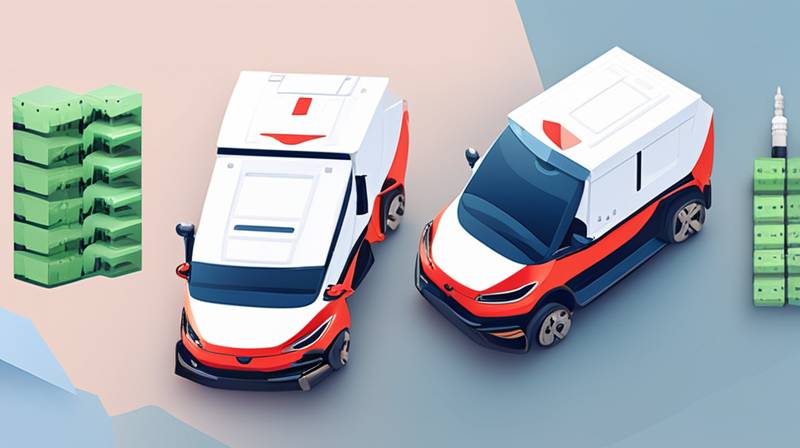
The Zhejiang Energy Storage Vehicle represents a notable advancement in sustainable transportation, characterized by key attributes such as 1. High energy density batteries, 2. Innovative vehicle design, and 3. Enhanced environmental benefits. The region of Zhejiang has become a focal point for pioneering these vehicles, integrating advanced technology with practical usage. One significant aspect is the advancement in battery technology; specifically, the move toward lithium-ion cells has allowed for lighter, more efficient energy storage solutions that ultimately contribute to greater travel distance and reduced charging frequency. The design of such vehicles also takes collaboration between engineering and sustainability into account, ensuring not only performance but also a reduced carbon footprint. Moreover, these vehicles represent a shift towards cleaner air, positioning Zhejiang at the forefront of a timely and significant transition within the automotive industry.
1. OVERVIEW OF ZHEJIANG ENERGY STORAGE VEHICLES
The emergence of energy storage vehicles in Zhejiang province signifies a critical juncture in the development of green technologies. These vehicles rely on advanced battery systems designed not merely for transportation but as part of a broader ambition to reduce greenhouse gas emissions and promote environmental sustainability. The focus on energy storage solutions stems from the need for vehicles that can efficiently harness electricity and store it for later use, addressing the inherent limitations of traditional fuel consumption.
As electric vehicles gain traction globally, Zhejiang’s interest in energy storage vehicles aligns with national and international climate goals. By enhancing grid stability and reducing reliance on fossil fuels, these vehicles represent a dual benefit, contributing to cleaner cities and promoting innovative technologies. The role of local manufacturing capabilities cannot be understated, as they facilitate the rapid development and deployment of energy-centric vehicles tailored to consumer needs.
2. KEY TECHNOLOGIES IN ENERGY STORAGE VEHICLES
A significant element influencing the effectiveness of energy storage vehicles is the battery technology utilized within their structure. Lithium-ion batteries dominate this sphere due to their remarkable energy density, allowing vehicles to travel further without a proportional increase in weight. Advancements in battery management systems (BMS) are also crucial, as these systems optimize performance and ensure longevity, addressing concerns surrounding battery degradation over time.
Additionally, innovations in solid-state batteries are starting to emerge, representing a potential leap forward in energy storage. These systems are poised to offer greater safety and efficiency compared to their liquid counterparts. As research continues, embracing modular battery designs allows for flexibility in vehicle configuration, adapting to different user needs without compromising performance. This adaptability plays a pivotal role in broadening the appeal and usability of energy storage vehicles.
3. ENVIRONMENTAL IMPACT AND SUSTAINABILITY
Zhejiang’s energy storage vehicles are aligned with broader environmental objectives, promoting sustainability in urban settings. The operational lifespan of electric vehicles, combined with zero tailpipe emissions, drastically reduces air pollution compared to conventional vehicles. This decrease is paramount, particularly given the increasing urbanization in regions like Zhejiang, where traffic congestion and air quality are significant concerns.
Moreover, the lifecycle impact of these vehicles extends to the sourcing and recycling of batteries. Sustainable practices in mining materials for battery production and effective recycling protocols are essential components of the overall environmental strategy. By supporting initiatives to repurpose used batteries and minimize harmful waste products, Zhejiang is paving the way towards a circular economy within its automotive sector. This forward-thinking approach enhances public perception of energy storage vehicles as viable solutions for future mobility challenges.
4. MARKET ANALYSIS AND GROWTH PROSPECTS
The market for energy storage vehicles in Zhejiang is positioned for substantial growth, driven by several factors, including government support and consumer demand for cleaner alternatives to traditional vehicles. Substantial investment in infrastructure development – including charging stations and maintenance facilities – is critical for overcoming barriers to entry in adopting electric vehicles. This commitment aligns with national initiatives aimed at reducing emissions and enhancing energy efficiency across the transportation sector.
In addition, as automakers continue to pivot towards electric models, competition is likely to spur further innovation in energy storage capabilities. The collaboration between tech companies and automotive manufacturers is anticipated to yield groundbreaking advancements, pushing the boundaries of what energy storage vehicles can achieve. Furthermore, public awareness campaigns emphasizing the benefits of sustainable transportation will significantly influence purchasing decisions, establishing a more robust market presence for these innovative vehicles.
5. GOVERNMENT INITIATIVES AND SUPPORT
Zhejiang’s local government plays a fundamental role in promoting the development of energy storage vehicles. Policies designed to incentivize research and development in the field highlight the significance of collaboration across multiple sectors. Funding public infrastructure projects aimed at charging networks demonstrates a proactive approach in creating a conducive environment for electric vehicle adoption.
Subsidies and direct financial support for both manufacturers and consumers further enhance the appeal of energy storage vehicles. Such measures encourage the transition towards cleaner technologies, representing a commitment to sustainable urban development. Public-private partnerships will be increasingly important in achieving these objectives, as they harness the strengths of both sectors to address the challenges of implementing new vehicle technologies on a larger scale.
6. INFRASTRUCTURE DEVELOPMENT FOR ENERGY STORAGE VEHICLES
Having a robust infrastructure in place is vital to supporting the widespread adoption of energy storage vehicles. The establishment of efficient charging stations is a principal consideration for enhancing accessibility and convenience. The strategic placement of these stations along major transportation routes and urban centers ensures that drivers have ample opportunities to recharge their vehicles.
Moreover, the integration of renewable energy sources, such as solar or wind, into charging infrastructures will further optimize the sustainability of energy storage vehicles. This synergy between energy production and consumption reinforces the environmental argument for switching to electric mobility options. It also fosters community trust in the technology, as visible investments in clean energy resonate strongly with eco-conscious consumers.
7. CONSUMER PERCEPTION AND ADOPTION CHALLENGES
Consumer acceptance is pivotal for the successful integration of energy storage vehicles into the mainstream market. Factors impacting consumer decisions include the initial cost, perceived reliability, and convenience associated with electric vehicle ownership. Addressing these concerns requires comprehensive education and marketing campaigns that not only highlight the long-term cost savings from reduced fuel consumption but also emphasize the environmental benefits.
Challenges relating to range anxiety—where potential users fear running out of power without access to a charging station—must be mitigated through improved technology and infrastructure. Continued advancements in battery technology, coupled with the construction of an extensive charging network, will help assuage these uncertainties while promoting a more significant shift towards electric mobility.
8. FUTURE TRENDS AND PREDICTIONS
Looking forward, the trajectory for energy storage vehicles in Zhejiang is influenced by several trends that indicate a promising horizon. Emerging technologies, such as autonomous driving capabilities and vehicle-to-grid (V2G) integration, will redefine expectations. These innovations not only enhance the functionality of energy storage vehicles but also enable them to contribute actively to grid management, adding a layer of sophistication to transportation.
Furthermore, regulatory frameworks aimed at reducing emissions will likely spur the acceleration of electric vehicle adoption, aligning with global movements towards sustainability. As public awareness increases concerning climate change, consumer demand for cleaner alternatives is expected to rise, further catalyzing market growth. The future landscape of Zhejiang’s transportation sector will undoubtedly be shaped by these factors, heralding a new era of eco-friendly mobility.
FREQUENTLY ASKED QUESTIONS
WHAT ARE ENERGY STORAGE VEHICLES?
Energy storage vehicles, particularly those developed in Zhejiang province, utilize advanced battery technologies designed to store electrical energy for propulsion. These vehicles operate primarily on electricity rather than fossil fuels, targeting the reduction of greenhouse gas emissions prevalent in traditional automotive technologies. The batteries typically leverage lithium-ion technology for their high energy density, allowing for prolonged range without a significant increase in vehicle weight. Importantly, energy storage vehicles contribute to a cleaner urban environment by producing zero tailpipe emissions, thereby addressing air quality concerns impacting cities with heavy traffic congestion. The energy stored in these vehicles can be replenished through various means, such as direct charging infrastructure or renewable energy sources, making them an integral part of sustainable transportation systems. As the market evolves, new advancements in battery technology and vehicle design ensure that energy storage vehicles remain viable and attractive alternatives for modern consumers.
WHAT ARE THE ENVIRONMENTAL BENEFITS OF ENERGY STORAGE VEHICLES?
The environmental advantages of energy storage vehicles extend across several dimensions. Primarily, they contribute to significant reductions in air pollutants, such as nitrogen oxides and particulate matter, which are commonly associated with combustion engines. By shifting to electric systems, urban areas experience improved air quality, translating to long-term public health benefits. Furthermore, energy storage vehicles play an essential role in reducing greenhouse gas emissions, as they can integrate renewable energy sources into their operation, minimizing reliance on fossil fuels.
Additionally, the development of energy storage solutions encourages innovations in battery recycling technologies, promoting sustainable practices that reduce waste associated with traditional automotive manufacturing. The ethos of sustainability extends to the lifecycle considerations of energy storage vehicles, from the sourcing of materials to end-of-life recycling, emphasizing a commitment to preserving the environment for future generations. These vehicles exemplify a forward-thinking approach, embracing technologies that not only address current transportation challenges but also align with global climate objectives.
HOW DOES GOVERNMENT POLICY IMPACT ENERGY STORAGE VEHICLE ADOPTION?
Government policy plays a pivotal role in the adoption of energy storage vehicles, primarily through the implementation of incentives and subsidies. Such policies encourage manufacturers and consumers alike to invest in electric mobility solutions, fostering a conducive environment for the technology’s growth. Governments may provide tax credits, rebates, or direct financial support for both the purchase of energy storage vehicles and the development of necessary infrastructure, such as charging stations. These initiatives directly lower barriers to entry for prospective buyers, enhancing the affordability and accessibility of electric vehicles.
Moreover, stricter emission regulations compel automotive manufacturers to innovate and transition towards cleaner alternatives. These regulations not only set standards for emissions reductions but also drive investment into research and development for advanced technologies, thereby stimulating market competition. As a result, a collaborative framework between government entities and private sectors emerges, leading to accelerated advancements in energy storage vehicles, ultimately nurturing a sustainable automotive landscape. This synergy is integral for encouraging widespread acceptance and facilitating a smoother transition toward eco-friendly transportation solutions.
The journey toward enhancing mobility through sustainable energy storage vehicles in Zhejiang is marked by significant advancements, collaborative efforts, and comprehensive strategies designed to address pressing environmental concerns. Thorough analysis reveals a robust framework that integrates innovative technology with governmental support aimed at promoting cleaner transportation solutions. As battery technologies evolve and infrastructure expands, the advantages offered by these vehicles position them as viable alternatives to traditional automotive technologies. The joint endeavor for sustainability will demand continued innovation, public awareness, and policy engagement to maintain momentum in the growth of energy storage vehicles. Emphasizing the importance of electric mobility aligns with a global vision of addressing climate change while enhancing the quality of urban life. The future appears promising, ushering in a new era in transportation—one that champions the principles of sustainability while addressing the needs of modern society. Energy storage vehicles stand at the forefront of this transformative journey, ultimately signaling a shift toward greener and more efficient modes of travel.
Original article by NenPower, If reposted, please credit the source: https://nenpower.com/blog/what-is-zhejiang-energy-storage-vehicle/

