

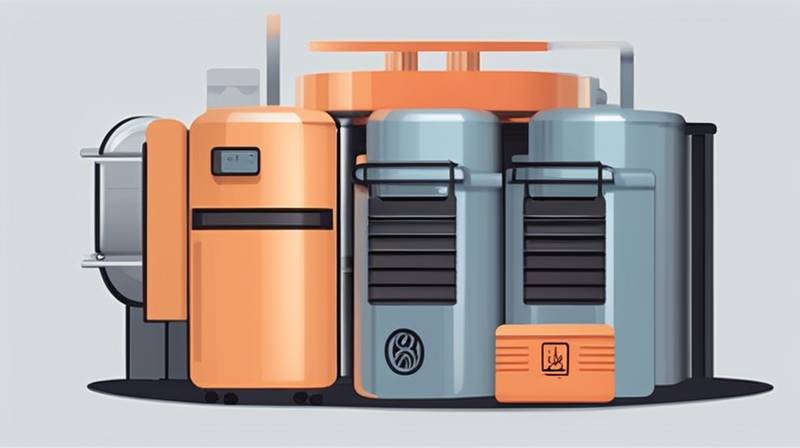
Waste heat storage equipment refers to specialized systems designed to capture, store, and utilize excess thermal energy generated from various industrial processes, power plants, or other heat-producing technologies. 1. Functionality is key to managing energy efficiency, 2. Technologies include thermal batteries and phase change materials, 3. Applications span multiple industries, including manufacturing and renewable energy, 4. Environmental benefits include reducing carbon footprints and enhancing sustainability. The detailed workings of such equipment enable industries to mitigate energy waste by storing thermal energy that can be repurposed when needed, ultimately contributing to a more sustainable approach in energy management.
1. UNDERSTANDING WASTE HEAT
The concept of waste heat is rooted in thermodynamics, where energy transformations are seldom 100% efficient. When industries or power generation systems operate, a significant amount of energy is lost as heat. This wasted thermal energy is a critical aspect of modern energy systems, representing a potential resource that, if harnessed, can contribute to improved efficiency and reduced operational costs. With advances in technology, industries are increasingly recognizing the importance of waste heat and the economic benefits it presents.
In addition to economic advantages, the utilization of waste heat storage equipment aligns with environmental sustainability initiatives. The growing awareness of climate change has prompted industries to seek solutions that minimize greenhouse gas emissions. By capturing and utilizing waste heat, companies can lower their carbon footprint, transition toward greener practices, and comply with regulations aimed at reducing environmental impact. This trend is particularly evident in sectors with high energy consumption, such as manufacturing, petrochemicals, and power generation.
2. TECHNICAL CONFIGURATIONS
Thermal storage devices are essential components of waste heat storage systems. Two primary configurations are widely adopted: thermal batteries and phase change materials (PCMs). Thermal batteries store heat in solid materials that can absorb and release heat over time, while PCMs utilize materials that undergo phase transitions to store thermal energy.
The functioning of thermal batteries relies on sensible heat storage, where heat energy is transferred to and from a solid medium. Typically composed of concrete or molten salts, thermal batteries can effectively store excess energy during periods of low demand and release it when necessary. This technology holds promise for balancing energy supply and consumption, particularly in industries with fluctuating thermal demands.
Conversely, phase change materials offer a more compact and efficient way to store heat. These materials absorb heat during melting and release it during solidification, allowing for high energy density. PCMs are particularly advantageous for applications where space is limited, as they can achieve superior energy storage capacities compared to traditional thermal storage methods. The selection of suitable materials and configurations often influences the effectiveness of the overall waste heat storage system.
3. APPLICATIONS IN INDUSTRY
Multiple industries have begun leveraging waste heat storage systems to improve operational efficiency and sustainability. In the manufacturing arena, processes such as metal smelting or glass manufacturing produce substantial waste heat. Capturing this heat not only reduces energy costs but also enables manufacturers to harness it for pre-heating raw materials or generating steam.
In the realm of renewable energy, waste heat storage plays a vital role in solar thermal systems. By storing excess heat generated during sunny periods, solar thermal plants can deliver energy even when sunlight is unavailable. This enhances the reliability and viability of solar as a meaningful contribution to the energy grid. Furthermore, integrating waste heat storage with existing power plants can enhance their efficiency and lower operational costs, highlighting its adaptability across sectors.
Moreover, the food and beverage industry can benefit significantly from waste heat storage equipment. During processes like pasteurization, heat is often generated in excess. This waste heat can be stored and used for other heating needs, such as cleaning processes, effectively utilizing energy that would otherwise go unused.
4. ENVIRONMENTAL IMPACTS
The repercussions of implementing waste heat storage equipment reach beyond mere energy savings; they extend into the realm of environmental stewardship. Transitioning to a circular economy requires rethinking how resources, especially energy, are used. By capturing and reusing waste heat, industries can significantly reduce reliance on fossil fuels, thereby cutting down carbon emissions.
The adaptation of waste heat storage technology also facilitates compliance with stricter environmental regulations promulgated globally. Governments are increasingly mandating reductions in greenhouse gas emissions and waste generation, leading to a push for innovative solutions that optimize resource use. As industries strive to meet these regulations, waste heat storage solutions become more integral to their operations.
Additionally, integrating waste heat systems contributes to sustainability goals by promoting resource efficiency. When industries maximize their energy resources, they not only lower costs but also contribute to a larger agenda of sustainable development. This alignment with global sustainability initiatives enhances the public perception of the brand and can increase competitiveness in a market increasingly focused on eco-friendly practices.
5. ECONOMIC POTENTIAL AND BENEFITS
The economic implications of waste heat storage equipment are substantial, particularly in terms of operational cost savings and increased competitiveness. By capturing and reusing waste heat, businesses can lower their energy bills, reduce dependency on external energy sources, and maximize the use of on-site generated energy.
Investing in waste heat storage also opens avenues for potential revenue generation. Businesses can sell excess stored energy back to the grid or share with nearby industries, creating a new income stream while contributing to energy sustainability. Furthermore, this practice is aligned with increasingly important corporate social responsibility objectives, which appeal to environmentally conscious consumers and investors alike.
Over time, the return on investment for waste heat storage equipment can be impressive. Although there may be initial costs associated with technology implementation, the long-term savings in energy expenses, coupled with potential revenue streams, frequently dwarf these costs. As the world transitions to more sustainable energy practices, the implementation of waste heat storage will likely become an industry standard, prompting companies to reconsider their energy strategies in intricate and impactful ways.
6. CHALLENGES IN IMPLEMENTATION
Despite the many advantages of waste heat storage equipment, organizations face several challenges in implementing such technologies. The intricacies involved in selecting appropriate systems tailored to specific industrial applications can complicate decision-making. Each technological choice carries unique requirements in terms of capacity, material handling, and energy integration. Firms must conduct thorough assessments to identify the best solutions for their needs.
Additionally, the initial investment involved in the setup can be prohibitive, particularly for smaller organizations with limited budgets. While the long-term savings and advantages are considerable, businesses may hesitate to commit financially without clear short-term return projections. Thus, comprehensive feasibility studies and financial planning become essential in easing the transition and securing necessary funding.
Moreover, industries must contend with regulatory frameworks that could impact the deployment of waste heat storage solutions. Diverse legislation exists across different regions, and navigating these complexities requires in-depth understanding and strategic planning. Organizations must consider greenhouse gas emissions regulations, efficiency standards, and energy use mandates, which can significantly influence the feasibility and design of waste heat storage systems.
7. FUTURE TRENDS AND INNOVATIONS
As technology progresses, the landscape of waste heat storage equipment continues to evolve. Innovation in materials science, such as the development of advanced phase change materials and nanotechnology, promises to enhance energy storage capabilities and make solutions more effective. Ongoing research endeavors seek to improve thermal conductivity and energy density, thus establishing even more efficient systems.
Additionally, the integration of digital technologies, such as smart monitoring and data analytics, offers uncharted potential for optimizing waste heat storage performance. Utilizing real-time data enables industries to manage energy flows more effectively and predict energy demands with greater accuracy. Such advancements are anticipated to enhance operational efficiency and reduce waste, paving the way for a more intelligent approach to energy management.
Moreover, as the global push toward renewable energy accelerates, waste heat storage is likely to be incorporated into broader energy systems. This will establish interconnectivity between diverse energy sources, facilitating a more resilient and sustainable energy infrastructure. By integrating waste heat systems with solar, wind, and other renewable technologies, industries can maximize resource use while minimizing harms to the environment.
COMMON INQUIRIES
WHAT ARE THE MAIN ADVANTAGES OF WASTE HEAT STORAGE EQUIPMENT?
The benefits of waste heat storage systems are multi-faceted. Firstly, they greatly enhance energy efficiency by capturing heat that would otherwise be released into the atmosphere, leading to substantial cost savings over time. Companies can utilize this stored thermal energy during high-demand periods, reducing reliance on costly energy sources and improving operational effectiveness. Secondly, such systems contribute significantly to environmental sustainability by mitigating greenhouse gas emissions. By reusing waste heat, firms align themselves with regulatory mandates aimed at reducing pollution. Finally, investing in these technologies demonstrates a commitment to innovation and corporate social responsibility, bolstering brand image and appealing to environmentally conscious consumers.
HOW DOES WASTE HEAT STORAGE CONTRIBUTE TO SUSTAINABILITY INITIATIVES?
The role of waste heat storage in promoting sustainability initiatives is crucial. By capturing and utilizing waste heat, industries actively participate in the transition to a circular economy, where resources are used more effectively. This practice leads to reduced dependence on non-renewable energy sources, thereby lowering carbon emissions and enhancing overall sustainability. Moreover, waste heat storage equipment allows for improved efficiency in existing energy systems, helping businesses meet stringent environmental regulations and minimize their ecological footprints. Ultimately, this alignment with sustainability goals not only benefits the environment but also provides a competitive edge in an increasingly eco-conscious market.
WHAT TYPES OF INDUSTRIES BENEFIT MOST FROM WASTE HEAT STORAGE SOLUTIONS?
Various industries stand to gain significantly from implementing waste heat storage solutions. High-energy sectors, such as manufacturing, petrochemicals, and power generation, typically produce large volumes of waste heat that can be effectively captured and stored for later use. Additionally, sectors like food and beverage processing benefit from waste heat storage systems during operations that generate excess thermal energy. Renewable energy providers, particularly those utilizing solar thermal systems, also find immense value in these technologies, as they enable energy use even during periods of low sunlight. Thus, the adaptability of waste heat storage systems makes them invaluable across numerous fields.
The advent of waste heat storage equipment marks a pivotal shift in how industries approach energy efficiency and sustainability. By transforming waste into a valuable resource, companies not only enhance their operational capabilities but also contribute meaningfully to the global sustainability agenda. This transition is not merely beneficial; it is becoming essential in an increasingly resource-constrained world. As technologies continue to advance and industries recognize the importance of efficient energy management, waste heat storage will undoubtedly emerge as a cornerstone of modern industrial practice. Embracing this technology will yield economic advantages, help meet regulatory demands, and positively impact the environment, securing a sustainable future for generations to come. The pathway ahead necessitates a keen focus on innovation and strategic implementation, ensuring that waste heat becomes a cornerstone of resource efficiency and sustainability across the global industrial landscape.
Original article by NenPower, If reposted, please credit the source: https://nenpower.com/blog/what-is-waste-heat-storage-equipment/

