

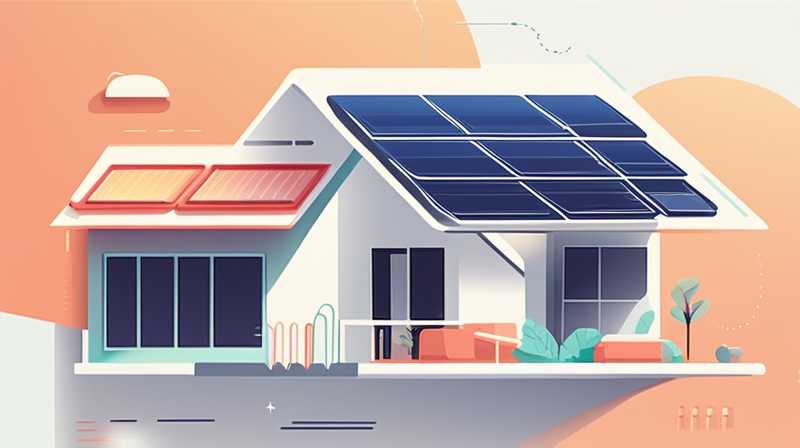
1. SOLAR ROOF ELECTRICITY HAS A MULTITUDE OF APPLICATIONS, 2. IT CAN SIGNIFICANTLY REDUCE ENERGY COSTS, 3. ENVIRONMENTAL BENEFITS INCLUDE LOWER CARBON EMISSIONS, 4. IT ENHANCES ENERGY SECURITY AND INDEPENDENCE.
Solar roof electricity primarily refers to the energy generated through photovoltaic panels integrated into the roofs of buildings. This advanced technology allows homeowners and businesses to harness sunlight, converting it into usable electrical power. One of the prominent aspects of this technology is its cost-effectiveness. By implementing solar roof systems, consumers can drastically reduce their monthly electricity expenses. This cost-saving potential emanates from generating free energy post-installation, enabling consumers to free themselves from fluctuating energy prices. Further, as the technology progresses, systems become more efficient and affordable, leading to broader adoption rates.
Moreover, the environmental influence of utilizing solar power cannot be understated. To mitigate climate change, utilizing renewable resources like solar energy plays a vital role in lowering greenhouse gas emissions. This further emphasizes the importance of transitioning from fossil fuels to sustainable energy sources, highlighting solar technology as a strategic solution in global efforts towards a greener future. Additionally, solar roofs contribute to energy independence, reducing dependence on traditional power grids and increasing resilience against energy crises.
1. ADVANTAGES OF SOLAR ROOF ELECTRICITY
Adopting solar roof systems presents several benefits. One of the primary advantages is the reduction in electricity costs. Energy expenditures for households can accumulate over time, impacting disposable income and overall financial health. By installing solar panels, consumers can produce their own electricity and diminish reliance on the grid, ultimately translating into significant savings. Furthermore, any surplus energy generated during peak sunlight hours can often be fed back into the grid, occasionally providing consumers with credits or financial compensation through net metering. As energy rates continue to fluctuate, having a self-sustainable electricity source becomes exceedingly valuable.
In addition, solar electricity systems afford consumers the opportunity to increase property value. Properties equipped with solar energy capabilities are often more attractive to prospective buyers. A seller can command higher prices for a home with a solar roof because of its appeal and the inherent savings associated with continued energy production. Research indicates that homes with solar installations have a tendency to sell faster than their conventional counterparts, emphasizing the market’s shift toward sustainability. This correlation between solar energy installations and property value underscores the longevity of the investment and its potential upside for owners.
2. ENVIRONMENTAL IMPACT OF SOLAR ROOF ELECTRICITY
The implementation of solar roof electricity carries substantial positive implications for the environment. These systems are pivotal in significantly reducing carbon emissions and other harmful pollutants. Traditional energy sources, including coal and natural gas, contribute disproportionately to greenhouse gas emissions. By opting for solar energy, households can play a vital role in reducing overall environmental footprints. As more buildings adopt these systems, the cumulative effect can contribute to mitigating climate change impacts while fostering cleaner air and ecosystems.
Beyond preventing carbon emissions, solar roofs promote biodiversity and land conservation. Industrial energy production often necessitates extensive land use, sometimes resulting in deforestation and habitat destruction. In stark contrast, solar panels can be installed on existing structures, minimizing land disturbance. This characteristic positions solar energy as not merely a clean alternative but one capable of coexisting with nature without the detrimental effects often associated with traditional energy generation. The reduction in land use is critical as the demand for land continues to escalate for both residential and industrial purposes.
3. ENERGY INDEPENDENCE AND SECURITY
Leveraging solar electricity offers a significant pathway toward enhanced energy independence. Countries worldwide grapple with fluctuating energy prices dictated by global market trends and political instability. By harnessing solar energy, individuals and communities can generate localized power, safeguarding themselves from sudden increases in energy costs. This autonomy fosters greater stability among users, as they can depend on a continuously available energy source inherently immune to market volatility.
Furthermore, resilience against energy outages is another facet of solar technology. Regions susceptible to power interruptions due to severe weather or infrastructure limitations often find solar panels combined with storage solutions, such as batteries, indispensable. These systems provide the ability to store surplus energy generated during sunny periods, enabling continued electricity supply during adverse conditions. The incorporation of solar technology fosters a decentralized energy ecosystem, ultimately enhancing community resilience against potential energy shortfalls.
4. FUTURE PROSPECTS OF SOLAR ROOF ELECTRICITY
Looking ahead, the evolution of solar roof electricity encompasses promising developments. Technological advancements are anticipated to enhance the efficiency of photovoltaic systems significantly. Ongoing research aims to increase energy conversion rates while decreasing production costs. Innovations such as tandem solar cells, incorporating multiple materials to capture broader spectrums of sunlight, signal a paradigm shift in energy generation capacity.
Moreover, the integration of smart technologies within solar systems is poised to revolutionize energy consumption. Smart meters and energy management systems empower users to track energy usage patterns, optimizing self-consumption of generated electricity. This capacity to utilize only what is necessary while maximizing surplus storage enhances both consumer savings and grid stability. As these technologies develop, the accessibility and efficiency of solar electricity will likely increase, resulting in broader adoption rates and transformational impacts on energy consumption worldwide.
5. COMMON INQUIRIES REGARDING SOLAR ROOF ELECTRICITY
WHAT ARE THE COSTS ASSOCIATED WITH INSTALLING SOLAR ROOF SYSTEMS?
Installation costs primarily fluctuate based on numerous factors including system size, energy needs, and geographical location. Generally, solar roof installations can range from several thousand to tens of thousands of dollars, with average costs varying nearly 20-30% across different regions. However, many consumers overlook ongoing savings associated with these systems. By generating electricity from sunlight, substantial reductions in energy costs can be realized over time. Additionally, various incentives exist ranging from tax credits to rebates, potentially enhancing affordability. Financing options also play an important role as homeowners may seek loans or leasing programs to lower initial expenditures. Assessing potential savings in tandem with upfront costs is essential in understanding the long-term financial implications of solar investments.
HOW DOES SOLAR ROOF ELECTRICITY COMPARE TO TRADITIONAL ENERGY SOURCES?
When comparing solar roof electricity to conventional energy sources, the differences become starkly apparent. Traditional energy sources, such as coal and natural gas, often involve environmental degradation through extraction processes and high levels of carbon emissions. In contrast, solar energy represents a cleaner, renewable option that operates without pollutive byproducts post-installation. Moreover, during operation, solar panels generate electricity with minimal maintenance requirements. Consumers can direct their energy savings toward further investments or even enhance their lifestyles without concerning themselves with escalating fuel costs or price surges typical of fossil fuel reliance.
WHAT STRATEGIES CAN OPTIMIZE SOLAR ROOF ENERGY OUTPUT?
Maximizing energy output from solar roof systems necessitates strategic planning and installation approaches. Primarily, placement and orientation of solar panels play significant roles. For locations in the Northern Hemisphere, south-facing panels often yield optimal results. Understanding local climate conditions also plays a role in strategy; avoiding shaded areas or ensuring no obstructions block sunlight can maximize energy capture. Regular maintenance is imperative to clean panels and inspect for any debris or malfunctions that could hinder performance. Finally, exploring battery storage options allows homeowners to harness excess energy generated during peak daylight hours, thus maximizing overall system efficiency and offering energy access during off-peak hours.
Adoption of solar roof electricity embodies advantages extending beyond simple cost reductions. It heralds a commitment to sustainability, fostering resilience against fluctuations in traditional energy sources and contributing positively to the environment. The evolution of technology continues to enhance its efficacy, making it an increasingly viable energy solution for the future. Moreover, comprehensive understanding enables potential adopters to make informed decisions about the return on their investments and environmental impact. Embracing solar energy signifies forward-thinking attitudes necessary for addressing modern energy challenges, and the collective shift towards alternative energy forms could catalyze significant shifts in not merely economic savings, but also in sustaining our planet for future generations.
Original article by NenPower, If reposted, please credit the source: https://nenpower.com/blog/what-is-the-use-of-solar-roof-electricity/

