

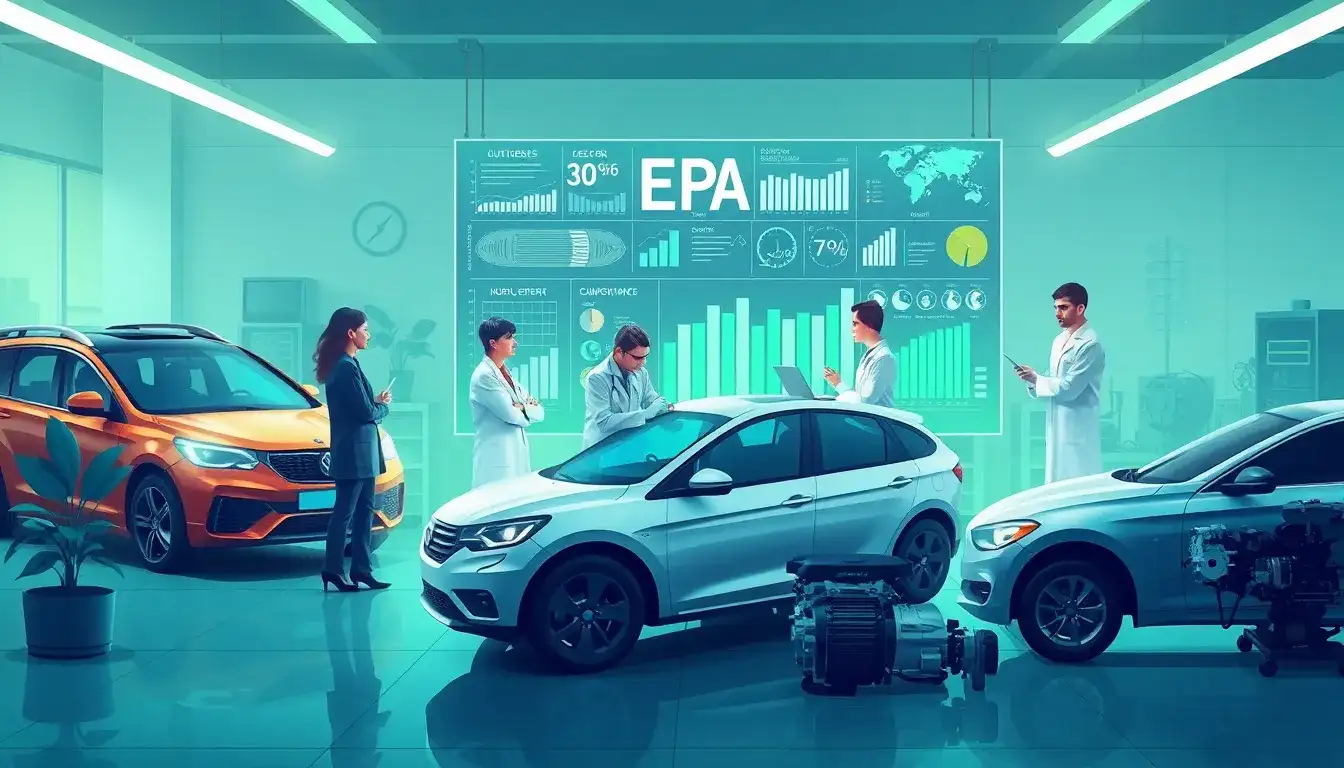
The Environmental Protection Agency (EPA) plays a critical role in determining vehicle eligibility for importation and operation in the United States, primarily through enforcing emissions standards as mandated by the Clean Air Act. Here is a detailed summary of EPA’s role:
Role of EPA in Vehicle Eligibility
- Emission Standards Enforcement:
The EPA sets and enforces emissions standards for all motor vehicles and engines, including passenger cars, trucks, heavy-duty vehicles, and nonroad engines like generators and recreational vehicles. These standards cover both new and used vehicles, whether domestically manufactured or imported. Importation of vehicles or engines that do not comply with EPA emissions standards is prohibited by the Clean Air Act. - Certification Requirement:
To be eligible for import into the U.S., vehicles typically must be certified by their manufacturers to meet EPA federal emission standards. Without this certification, vehicles generally cannot be legally imported or operated. - Exceptions Based on Vehicle Age:
Vehicles that are over 25 years old are exempt from EPA emissions requirements and can be legally imported without needing to comply with U.S. emissions regulations. For vehicles over 21 years old, there are generally no EPA requirements, though other agencies like the Department of Transportation (DOT) and Customs and Border Protection (CBP) still impose regulations. - Conversion and Modification Compliance:
When vehicles or engines undergo conversions (such as modifying engines for alternative fuels or other purposes), manufacturers or converters must obtain an EPA (or California Air Resources Board – CARB) Certificate of Conformity. This certification verifies that converted vehicles still meet emissions standards and exempts them from tampering prohibitions. Applications for these certificates require submission of test data and compliance with EPA rules. - Regulatory Authority:
The EPA’s authority to create and enforce these regulations comes from U.S. Congress, empowering it to write mandatory regulations applicable to individuals, businesses, and government entities involved with vehicles and engines.
Summary
The EPA’s role in determining vehicle eligibility centers around ensuring that all vehicles meet established emissions standards before they enter or operate in the U.S. market. Vehicles must either have EPA certification or qualify for age-based exemptions to be legally imported or used. Compliance with EPA emissions regulations protects air quality and public health, making the agency a key gatekeeper for vehicle imports and modifications in the United States.
This regulatory oversight complements requirements from other agencies such as the Department of Transportation and Customs and Border Protection, forming a comprehensive vehicle eligibility framework.
Original article by NenPower, If reposted, please credit the source: https://nenpower.com/blog/what-is-the-role-of-the-environmental-protection-agency-in-determining-vehicle-eligibility/

