

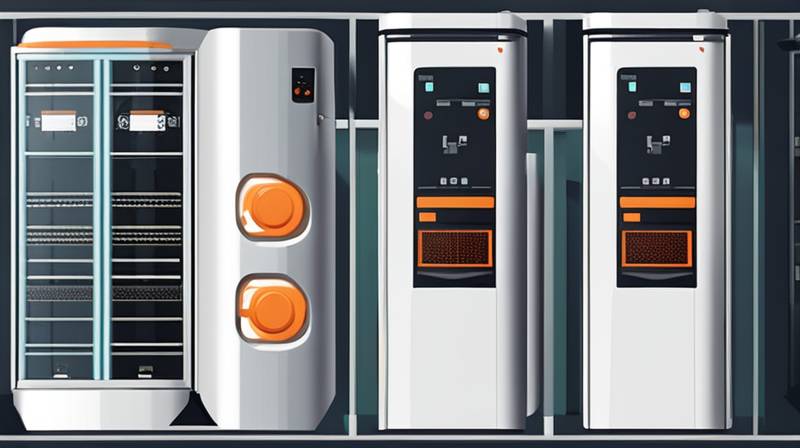
What is the maximum capacity of thermal power energy storage cabinet?
1. The maximum capacity of thermal power energy storage cabinets varies significantly based on design and application specifications, often ranging from 500 kilowatt-hours (kWh) to several megawatt-hours (MWh); 2. These systems are designed to store thermal energy in various forms, such as molten salts or phase change materials, facilitating efficiency in energy output; 3. The specific capacity largely depends on factors like intended usage, materials employed, and geographic considerations; 4. Certain cutting-edge facilities have pushed the boundaries, achieving near 100 MWh, hinting at rapid advancements in this technology.
1. UNDERSTANDING THERMAL ENERGY STORAGE
Thermal energy storage (TES) serves as a pivotal technology to enhance the efficiency and reliability of various energy systems. Storage of thermal energy allows for the management of energy supply and demand effectively. By capturing excess thermal energy generated during peak production times, such as sunny days for solar thermal plants or high surplus from industrial processes, these systems hold the potential to provide energy during periods of high demand or reduced supply. Thermal energy storage technologies can include various methodologies, but commonly leverage materials like molten salts or phase change materials.
The importance of understanding thermal energy storage cannot be overstated, particularly in a world increasingly reliant on renewable energy sources. As governments and industries pivot towards greener solutions, the capacity and technological advancements of thermal power energy storage cabinets become crucial. By effectively storing and utilizing thermal energy, these systems not only increase the reliability of energy sources but also contribute to smoother grid management and substantial reductions in greenhouse gas emissions.
2. CAPACITY VARIANCES AND DESIGN INFLUENCES
When discussing the maximum capacity of thermal power energy storage cabinets, it’s imperative to recognize the diverse factors that influence this capacity. The variability found within thermal storage systems can largely be attributed to the intended applications. For example, a small-scale facility intended to support residential heating needs will naturally have a lower storage capacity compared to a large-scale solar power plant designed to supply energy for industrial applications.
The materials utilized in the construction of these systems further define their storage capabilities. Molten salts, often employed in concentrated solar power (CSP) plants, can store substantial amounts of heat due to their high heat capacity and efficiency in transferring thermal energy. Similarly, phase change materials, which absorb or release energy when changing phases, can provide targeted storage solutions with varying capacities. Consequently, the combined influences of design objectives and material choice play a vital role in determining the overall performance and efficiency of thermal power energy storage cabinets.
3. TECHNOLOGICAL ADVANCEMENTS AND FUTURE CAPACITIES
Innovation in thermal energy storage technology has led to remarkable advancements in capacity and efficiency in recent years. Researchers are continually exploring new methodologies and materials that can significantly amplify the thermal energy storage potential. For instance, advancements in graphitic phase change material technology are poised to revolutionize system efficiency, thereby increasing the maximum capacity of these storage devices.
Furthermore, the integration of artificial intelligence and machine learning technologies into energy management systems allows for optimized operation of thermal energy storage units. By evaluating historical data, predicting demand fluctuations, and automatically adjusting storage and release strategies, these smart technologies augment the operational capacity of thermal energy storage. This combinative approach promotes not only higher capacities in thermal power energy cabinets but also fosters sustained efforts towards carbon neutrality.
4. ECONOMIC AND ENVIRONMENTAL IMPLICATIONS
The continuing evolution of thermal energy storage systems carries profound economic implications. The costs associated with developing and deploying advanced thermal storage cabinets are decreasing as manufacturers recognize economies of scale. Lower costs can translate to broader adoption across various sectors, further motivating investments in renewable energy infrastructure.
Additionally, the environmental angle is equally crucial. The ability of advanced thermal energy storage systems to harness and store renewable energy directly contributes to curbing greenhouse gas emissions. By providing a reliable energy source when solar or wind power may not be available, these systems reduce dependence on fossil fuels, aiding in the transition towards a more sustainable energy future.
A deeper investigation into the economic incentives provided by governments to enhance technology adoption underscores the bigger picture. Subsidies and grants can serve as a catalyst for advancing thermal energy storage technologies, thereby accelerating their integration into national and local grids, reducing energy costs for consumers, and enhancing energy resilience.
5. CASE STUDIES OF HIGH-CAPACITY SYSTEMS
Examining successful case studies reveals insights into the practical implementation and capacity of thermal power energy storage cabinets. The Ivanpah Solar Electric Generating System in California serves as a prime example. Utilizing molten salt technology, it illustrates how massive thermal batteries can generate up to 392 megawatts (MW) during peak hours despite having a thermal storage capacity of about 1,100 MWh.
Moreover, the Noor-Ouarzazate Solar Complex in Morocco showcases one of the largest systems in terms of capacity, with a noted 3,600 MW potential when completed. This facility integrates concentrated solar power technology with a robust thermal energy storage solution, allowing it to supply energy even after sundown. These case studies reveal overarching themes of efficiency, capacity maximization, and the potential for global improvement in energy storage strategies.
6. IMPACT ON GRID MANAGEMENT AND STABILITY
Power grid management poses significant challenges, particularly with the increasing reliance on variable renewable energy sources like wind and solar. Thermal energy storage provides a buffer, helping to maintain balance by storing excess energy produced during low demand periods and releasing it during peak demand. This capability fosters stability and flexibility within the grid, crucial for both small and large energy systems.
Beyond energy management, the reliability offered by thermal energy storage cabinets enhances overall energy security. This becomes increasingly vital as nations strive to achieve energy independence and reduce vulnerability to external energy supply shocks. The ability of these systems to support grid stability serves not only economic interests but also contributes to maintaining social welfare.
FREQUENTLY ASKED QUESTIONS
WHAT IS THERMAL ENERGY STORAGE?
Thermal energy storage refers to techniques that store heat energy for later use. It can help balance energy supply and demand by capturing excess energy when it is most abundant, typically during peak production times. Various methods exist, including the use of molten salts, hot water tanks, and phase change materials, allowing for flexibility in applications ranging from residential heating to large-scale power plants. The technology plays a crucial role in mitigating the intermittency associated with renewable energy sources, making it essential for sustainable energy supply systems.
HOW DOES THERMAL ENERGY STORAGE AFFORD ENHANCED EFFICIENCY?
Several mechanisms contribute to the enhanced efficiency afforded by thermal energy storage. Firstly, it aids in surplus electricity conversion into thermal energy, which can be stored for later use—minimizing waste. Secondly, TES systems allow for the dispatch of thermal energy during high-demand periods, ensuring that energy supply remains consistent. By reducing the reliance on fossil fuels for peak times, thermal energy storage promotes cleaner, more efficient energy systems, further encouraging renewable energy use. Finally, improvements in materials and technology continue to unlock greater energy densities, leading to overall feed efficiency in energy systems.
WHAT ARE THE LIMITATIONS OF THERMAL ENERGY STORAGE CAPACITY?
While significant advancements have been made, thermal energy storage systems aren’t without constraints. Device limitations can include thermal losses during storage periods, potential material phase degradation over extended use, and geographic limitations affecting performance. Each application requires careful consideration of these factors, as the effectiveness of thermal energy storage solutions is influenced by site-specific conditions. Advanced thermal energy storage technologies strive to overcome these hurdles, yet they present operational considerations that need ongoing focus.
Thermal power energy storage cabinets represent a transformative component of modern energy systems, significantly influencing efficiency, reliability, and sustainability in power generation. The spectrum of their maximum capacity reflects a confluence of design choices and technological advancements. Innovations in materials, operational methods, and smart technologies boost energy storage capabilities. Furthermore, the interplay between economic factors and environmental priorities accentuates their relevance in contemporary discourse. Observing successful case studies illustrates the potency of thermal energy storage in practical contexts, revealing their vast potential for enhanced grid management and stability. As industries and nations transition towards greener energy paradigms, a pivot towards thermal energy storage solutions will likely play a pivotal role in shaping the future direction of global energy strategies. In a world striving for sustainability, the importance of maximizing thermal energy storage must remain at the forefront of energy progress discussions.
Original article by NenPower, If reposted, please credit the source: https://nenpower.com/blog/what-is-the-maximum-capacity-of-thermal-power-energy-storage-cabinet/

