

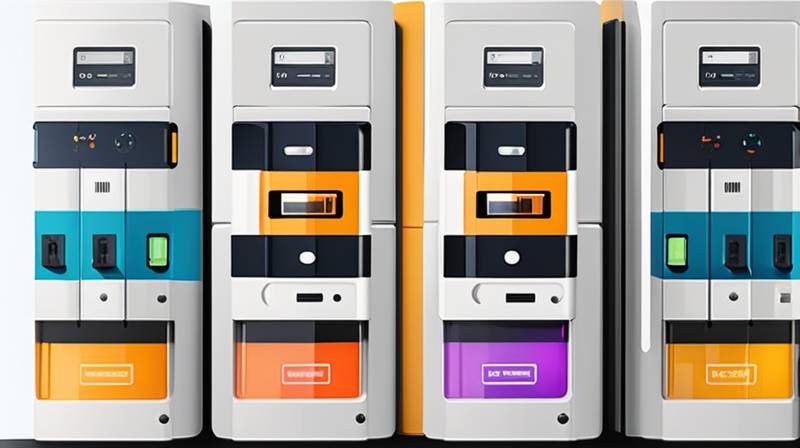
To address the question regarding the maximum capacity of an energy storage unit, it is critical to understand several facets surrounding energy storage technologies. 1. The capacity can vary significantly between different types of storage, 2. Common forms include batteries, pumped hydro systems, and flywheels, 3. The specific capacity is determined by design, materials, and intended use, 4. Industry standards define these capacities in kilowatt-hours (kWh) and megawatt-hours (MWh).
Battery storage systems, which represent a prominent branch of energy storage technology, can store energy chemically and discharge it when required. For instance, lithium-ion batteries can have a high energy density, which makes them suitable for residential and commercial applications. The overall capacity of these units can range from a few kilowatt-hours for home use to several megawatt-hours for utility-scale energy storage installations. Specific designs and intended applications influence this variability, ensuring that energy is available when demand peaks or during outages.
1. TYPES OF ENERGY STORAGE TECHNIQUES
Energy storage encompasses various techniques, each with unique characteristics suited for specific applications and industries. Common methods include pumped hydro storage, batteries, compressed air energy storage, and thermal energy storage.
Pumped hydro storage remains one of the oldest and most extensively deployed methods. Water is pumped from a lower reservoir to a higher one during low-demand periods, storing energy in the form of gravitational potential energy. When energy demand surges, this stored water is released back to the lower reservoir, turning turbines that generate electricity. It can have substantial capacities ranging from a few megawatt-hours to several gigawatt-hours in larger installations.
Similarly, batteries, specifically lithium-ion setups, have emerged as vital components in energy storage. Their rise is mainly due to advancements in technology, reducing costs and increasing efficiency. The maximum capacity of commercial products varies; for instance, residential units may have capacities of 5–20 kWh, while utility-scale projects can exceed 100 MWh.
2. FACTORS INFLUENCING CAPACITY
Examining the factors influencing the capacity of energy storage units reveals a multifaceted decision-making process. Material composition, technology type, regulatory environments, and system design all play crucial roles.
Material selection significantly impacts the energy density and, subsequently, the overall capacity. For instance, lithium, cobalt, and nickel used in lithium-ion batteries contribute to their performance. On the other hand, lead-acid batteries, while widely available and cost-effective, have considerably lower energy densities.
Regulatory environments also dictate how capacity is structured and implemented. Incentives for renewable energy adoption can encourage the integration of energy storage systems by providing financial support for projects that seek to balance supply and demand effectively. Understanding these influences reveals that appropriate choices can enhance capacity, viability, and economic sustainability.
3. MAXIMUM CAPACITY IN PRACTICE
In actual scenarios, the maximum capacity of energy storage units is often limited by practical considerations rather than sheer technological capability alone. The application context, such as grid stability, load management, and application-specific requirements, will shape how capacity is realized.
For example, the demand for instantaneous power versus long-duration energy storage requires different design considerations. Fast-response systems like flywheels can provide instantaneous energy release, while battery systems can store substantial amounts over longer durations.
Utility-scale projects increasingly integrate energy storage to support renewable energy sources like wind and solar. These systems can vary widely in size and scalability, with some capable of storing several gigawatt-hours. The collaboration between energy storage and renewable generation reflects an evolving partnership addressing grid reliability and sustainability.
4. FUTURE DIRECTIONS IN ENERGY STORAGE CAPACITY
Looking ahead, the energy storage landscape presents exciting possibilities for expanded capacity and enhanced functionality. Emerging technologies, such as solid-state batteries and hydrogen storage, could redefine the maximum capabilities of energy storage units.
Solid-state batteries utilize a solid electrolyte, promising higher energy densities and improved safety compared to conventional batteries. Research in this area hints at capacities that far exceed current lithium-ion systems, making them attractive for automotive and grid applications.
Likewise, hydrogen storage has gained attention as a means to store large energy amounts produced from renewable sources, especially in regions with abundant wind or solar access. By utilizing electrolysis, excess energy can be converted to hydrogen, which can later be transformed into electricity when needed. The potential for massive energy storage capacity through hydrogen is immense and warrants further exploration.
FAQs
WHAT DETERMINES THE MAXIMUM CAPACITY OF AN ENERGY STORAGE UNIT?
The maximum capacity of an energy storage unit is contingent upon various factors including technology type, material composition, and intended application. Different storage technologies such as batteries, pumped hydro, and compressed air have unique characteristics that define their maximum output. For instance, lithium-ion batteries have high energy density, allowing for significant storage relative to size; systems can vary from a few kilowatt-hours for a residential application to several megawatt-hours in a utility-scale scenario. Additionally, the design and regulatory frameworks can influence capacity through energy performance incentives and standards. Therefore, both physical and regulatory aspects intertwine to dictate the capacity of these units.
HOW DO ENERGY STORAGE UNITS IMPACT RENEWABLE ENERGY SOURCES?
Energy storage units play a pivotal role in harnessing the full potential of renewable energy sources like solar and wind. They address the inherent intermittency of these sources by providing a means to store excess energy generated during peak production periods for later use when demand outweighs supply. This reliability enables the integration of more renewables into the energy mix, contributing to a balanced grid. Moreover, investments in energy storage technologies can enhance grid stability, reduce reliance on fossil fuels, and lower costs associated with energy production and delivery. Ultimately, storage units can ensure that renewable energy is effectively utilized and contributes to emission reduction efforts.
WHAT IS THE FUTURE OF ENERGY STORAGE CAPACITY?
The trajectory of energy storage capacity is largely optimistic. Emerging technologies such as solid-state batteries, hydrogen storage, and innovative materials promise breakthroughs that could significantly enhance how energy is stored and utilized. Solid-state batteries could potentially offer higher energy densities and improved safety protocols compared to current lithium-ion solutions. Moreover, hydrogen, produced from renewable sources, stands as a transformative storage medium capable of large-scale energy application. Ongoing research and development efforts will likely yield systems more efficient, versatile, and eco-friendly. As demands for sustainable energy solutions grow, the evolution of energy storage capacity will be a linchpin in global energy strategies.
Bold takeaways can significantly enhance reader engagement and comprehension of these intricate topics. Energy storage systems embody a dynamic interplay of technological advancement, regulatory frameworks, and environmental considerations that shape their future.
The exploration of energy storage efficiency, scalability, and technological innovation reflects a landscape marked by rapid progress and latent potential. Energy storage units, in their various forms, are increasingly acknowledged as essential allies in achieving energy independence and a transition to sustainable practices. Their ability to store excess energy generated during low-consumption periods ensures that renewable resources can be used effectively, contributing to grid reliability and resilience against climate change impacts.
With an ever-growing emphasis on sustainability and green energy solutions, the demand for more robust storage systems is expected to intensify. This creates significant opportunities for innovation, not merely in capacity but in safety, efficiency, and cost reductions. As the integration between energy storage and renewable generation deepens, collaborative advancements will likely enhance performance. Therefore, the future of energy storage units looks promising, heralding a transformative shift in how energy is produced, stored, and consumed worldwide. The capacity of these units will evolve to meet the growing energy needs while contributing positively to the planet.
Original article by NenPower, If reposted, please credit the source: https://nenpower.com/blog/what-is-the-maximum-capacity-of-the-energy-storage-unit/

