

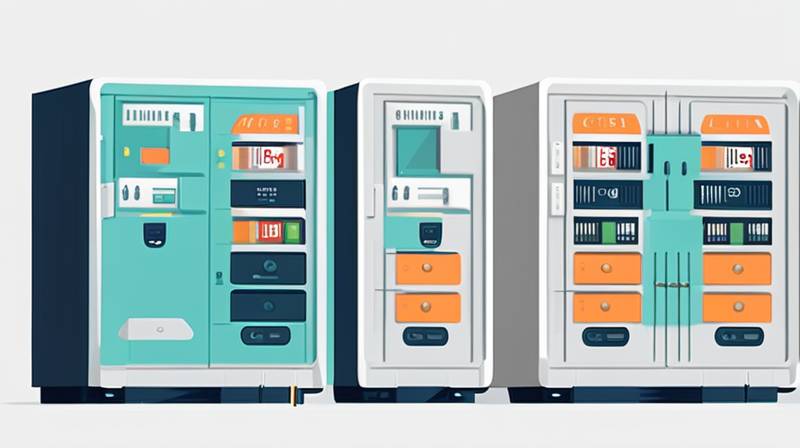
Energy storage cabinets equipped with Uninterruptible Power Supply (UPS) systems serve several essential roles in ensuring the reliable operation of critical electrical equipment. 1. Energy buffering during outages, 2. Power quality enhancement, 3. Integration with renewable energy, 4. Scalable power solutions. The function of energy storage cabinets with UPS capabilities goes beyond simply providing backup power during outages; they also contribute to stabilizing power quality, enabling the integration of renewable energy sources, and providing scalable solutions for varied power requirements.
1. UNDERSTANDING ENERGY STORAGE CABINETS
Energy storage cabinets represent a significant advancement in power management technology. By storing excess electrical energy for future use, these systems can effectively bridge the gap between energy supply and demand. Energy storage cabinets serve as buffers, capable of receiving energy when it is abundant and supplying it when consumed. This dual function is particularly relevant in today’s fast-paced technological landscape where reliability and efficiency are paramount.
The incorporation of UPS technology adds a layer of protection against power interruptions. With an integrated UPS, energy storage cabinets ensure that sensitive equipment continues operating seamlessly even during outages. This reliability is crucial for industries that rely on constant power supply, such as healthcare, finance, and telecommunications. Moreover, UPS systems maintain power quality by addressing voltage fluctuations and ensuring that the electrical output remains stable.
2. THE ROLE OF UNINTERRUPTIBLE POWER SUPPLY (UPS)
The UPS component of an energy storage cabinet plays a pivotal role in safeguarding against unexpected power disruptions. By delivering immediate power during outages or transitioning periods, UPS systems ensure that systems remain operational without interruption. The benefits include protecting sensitive electronic equipment, preventing data loss, and maintaining productivity, which is critical in environments with high operational stakes.
UPS systems fall into various categories, including standby, line-interactive, and double-conversion models. Each design addresses different needs based on the organization’s power requirements and existing electrical infrastructure. Standby UPS units, for instance, typically provide basic surge protection, while double-conversion models deliver advanced power conditioning, offering the highest level of performance in terms of equipment protection. Organizations often invest heavily in UPS technology to mitigate the risk of power discrepancies impacting their operations.
3. INTEGRATION WITH RENEWABLE ENERGY SOURCES
One of the most compelling advantages of energy storage cabinets is their compatibility with renewable energy sources, such as solar and wind systems. This integration allows for the optimized use of generated energy, particularly during times when production exceeds consumption. By storing surplus energy, businesses can ensure consistent operational capacity and reduce reliance on grid power, effectively lowering energy costs and enhancing sustainability.
Moreover, energy storage solutions enable the deployment of systems that not only store energy but also feed it back into the grid when demand peaks. Such capabilities contribute to grid stability, mitigating the stress on conventional energy sources during high-usage periods. The synergy between energy storage cabinets and renewable energy creates opportunities for organizations to adopt cleaner energy profiles while retaining control over their energy consumption and expenses.
4. SCALABILITY AND MODULARITY IN ENERGY STORAGE CABINETS
Flexibility in design is a hallmark of advanced energy storage cabinets, allowing organizations to tailor their systems according to specific operational requirements. Scalability ensures that businesses can expand their energy storage capabilities as their operational needs grow. Companies can start with smaller installations and expand them incrementally, reducing upfront costs and minimizing waste.
This modularity also encourages innovation in energy management practices. New technologies may enhance system performance and efficiency, prompting organizations to upgrade specific components instead of overhauling entire systems. This adaptability further aligns with the rapid pace of technological advancement in power management, making energy storage solutions capable of evolving alongside emerging trends and demands.
5. POWER QUALITY ENHANCEMENT
The provision of stable, clean power is a crucial function of energy storage cabinets equipped with UPS technology. Improved power quality helps prevent equipment damage and operational inefficiencies caused by voltage sags, surges, and frequency fluctuations. Sensitive electronics, including servers and medical devices, require consistent power to function correctly. An energy storage cabinet with a UPS not only offers backup power but also conditions the electrical supply to maintain optimum operating conditions for sensitive equipment.
In addition, maintaining high power quality leads to increased efficiency across the operational spectrum. With reliable energy management in place, organizations can prevent costly downtime and reduce maintenance costs associated with damaged equipment. Implementing such systems and technologies presents companies with an opportunity to fortify their operational resilience while enhancing overall energy management and sustainability.
6. THE FUTURE OF ENERGY STORAGE AND UPS TECHNOLOGY
As technology continues to advance, the potential applications for energy storage cabinets and UPS systems will expand. The increasing emphasis on green technology and sustainable practices across industries will drive the integration of advanced storage systems that leverage artificial intelligence and machine learning for optimal energy management. Future innovations may involve the use of predictive algorithms that analyze consumption patterns, thereby efficiently managing energy distribution and contributing to overall operational effectiveness and sustainability.
Furthermore, with ongoing investments in battery technology, the capacity and efficiency of energy storage cabinets will likely see significant improvements. Higher energy densities and reduced degradation rates will enable longer storage durations and better responsiveness to peak demands. This evolution will enhance the attractiveness of such systems for a broader range of applications across multiple industries, surging their popularity as reliable energy solutions.
FREQUENTLY ASKED QUESTIONS
WHAT TYPES OF EQUIPMENT BENEFIT FROM ENERGY STORAGE CABINET UPS SYSTEMS?
Energy storage cabinets with UPS technology can significantly protect various types of equipment. Critical systems include computing devices, medical equipment, telecommunications apparatus, and manufacturing machinery. These sectors often rely on consistent power availability, making UPS systems essential for maintaining operational continuity.
For cloud service providers and data centers, the importance of an uninterrupted power supply is particularly acute. Servers hosting sensitive or mission-critical applications must function without disruption. Any power outage can lead to data loss, compromised security, or decreased performance for end users. By utilizing energy storage cabinets, these organizations can prevent downtimes, protect their assets, and maintain robust service delivery.
Similarly, medical devices such as imaging systems, lab equipment, and life-support machinery require uninterrupted power, as even minor disruptions can jeopardize patient safety. UPS systems integrated with energy storage cabinets thus form a crucial line of defense, preventing failures and ensuring patients receive timely care.
HOW DO ENERGY STORAGE CABINETS IMPACT ENERGY COSTS?
Energy storage cabinets can significantly reduce overall energy costs for organizations. By enabling the storage of excess energy generated during off-peak periods or when using renewable sources, businesses can avoid higher energy prices typically associated with peak demand. This capability allows organizations to manage their energy consumption cycles more effectively, optimizing expenses.
Using stored energy allows companies to minimize their reliance on the grid or avoid peak energy charges, which can be substantial in many regions. Moreover, the ability to feed excess energy back into the grid can also create revenue opportunities, thereby offsetting expenses even further. This dual capability highlights energy storage cabinets’ role not only as backup solutions but also as strategic tools for cost savings.
Additionally, the long-term environmental benefits tied to the use of renewable energy can contribute to brand reputation and corporate social responsibility initiatives. As sustainability becomes increasingly critical for consumers and stakeholders, investing in options like energy storage cabinets can yield substantial long-term advantages for organizations.
WHAT FACTORS SHOULD BE CONSIDERED WHEN SELECTING AN ENERGY STORAGE CABINET UPS SYSTEM?
When choosing an energy storage cabinet equipped with UPS technology, several critical factors must be assessed. Capacity is paramount; it is essential to ensure that the energy storage solution can meet an organization’s power requirements. Business leaders must conduct thorough assessments of their energy consumption, outlining both current and future power needs.
Additionally, the type of UPS technology plays a pivotal role in performance. Organizations can opt for standby, line-interactive, or online double-conversion systems, each presenting distinct pros and cons. It is crucial to match the UPS type with specific applications and operational demands to maximize protection and functionality.
Other considerations include runtime, scalability, maintenance requirements, compatibility with existing infrastructure, and cost. A holistic evaluation of these factors ensures that the energy storage cabinet selected not only aligns with operational needs but also supports growth objectives and enhances overall efficiency.
In summary, energy storage cabinets with UPS capabilities play a vital role in ensuring operational continuity, providing reliable power supply, and optimizing energy management. Their multifaceted benefits include energy buffering during outages, enhancing power quality, and facilitating integration with renewable energy sources, all of which contribute to meeting modern energy demands in diverse industries. Additionally, the future of these technologies will likely involve innovative developments aimed at improving efficiency and sustainability, resulting in further advancements across the energy management landscape. The significance of energy storage cabinets is projected to expand as power requirements evolve, emphasizing their relevance in achieving operational resilience and energy efficiency in a rapidly changing world.
Original article by NenPower, If reposted, please credit the source: https://nenpower.com/blog/what-is-the-function-of-energy-storage-cabinet-ups/

