

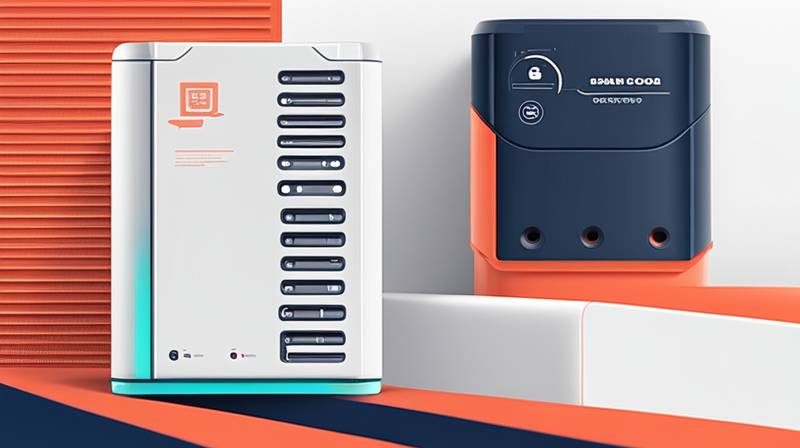
Energy storage system BCP is a crucial technology designed to enhance grid flexibility, ensure energy reliability, and optimize renewable energy integration.
1. BCP stands for Battery Capacity Planning, which focuses on efficiently allocating battery systems to provide adequate energy during peak demand periods.
2. These systems utilize various battery technologies, including lithium-ion and flow batteries, improving overall performance and storage capabilities.
3. They play a significant role in mitigating the intermittency associated with renewable energy sources, such as wind and solar, by storing excess energy for later use.
4. The economic benefits of implementing BCP extend beyond mere energy savings, as they can facilitate participation in demand response programs resulting in financial incentives.
5. BCP is also pivotal for facilitating grid modernization and transitioning toward a low-carbon future, thereby strengthening energy independence and sustainability.
1. UNDERSTANDING ENERGY STORAGE SYSTEMS
Energy storage systems have emerged as essential cornerstones of modern energy infrastructure, facilitating not only energy efficiency but also reliability across diverse applications. The Battery Capacity Planning (BCP) serves as a systematic approach therein, optimizing the deployment and utilization of energy storage technologies. These systems demonstrate significant importance in scenarios characterized by fluctuating energy demands and renewable energy integration.
As traditional energy systems face increasing challenges—stemming from renewable resource variability and growing consumption—BCP stands out as a proactive solution. It recognizes the need for a comprehensive understanding of how energy is used, stored, and delivered, thereby informing better decision-making during peak demand periods. This analytical approach fosters resilience against potential supply disruptions—ultimately shaping sustainable energy ecosystems.
2. THE TECHNOLOGY BEHIND BCP
Energy storage systems incorporated into BCP leverage various battery technologies to fulfill diverse requirements. Lithium-ion batteries, for example, have garnered considerable attention due to their relatively high energy density, efficiency, and declining costs. They enable quick charging and discharging cycles, making them suited for applications requiring rapid response times.
On the other hand, flow batteries, characterized by their unique operating principles, present another viable option. These systems store energy in liquid electrolytes contained in external tanks, allowing for scalability and extended discharge durations. By understanding the comparative advantages of different technologies, stakeholders can strategically select the best-fit solution tailored to specific demands and operational contexts.
3. STRATEGIC PLANNING FOR BCP DEPLOYMENT
Devising a robust strategy for deploying energy storage systems demands a multifaceted perspective, encompassing technological evaluation, economic feasibility, and regulatory considerations. Stakeholders must comprehensively assess the anticipated energy needs within their municipalities, discerning patterns in demand fluctuations. By understanding these patterns, they can effectively allocate storage capacity to maximize energy availability during peak usage moments.
Additionally, financial assessments are critical to underpinning BCP initiatives. Evaluating upfront installation costs along with ongoing maintenance and operational expenses can illuminate potential return-on-investment scenarios. Leveraging financial models that account for projected energy savings alongside possible incentives fosters informed decision-making processes. By navigating these strategic frameworks, entities can successfully integrate BCP into their operational architectures.
4. ECONOMIC BENEFITS OF BCP IMPLEMENTATION
Harnessing BCP offers an array of economic advantages, significantly enhancing financial viability for energy providers and consumers alike. Demand response programs, for instance, provide crucial incentives for energy users to shift their consumption patterns, generating cost savings for both utility providers and customers. Participation in such programs can positively influence electricity pricing frameworks while bolstering system resilience.
Moreover, the longevity of battery systems offered through strategic BCP implementation translates to enhanced reliability. By ensuring the availability of energy during critical moments, providers can mitigate the risk of outages or supply deficiencies, translating into savings on emergency services and maintenance costs. Consequently, entities embracing BCP are well-positioned to enjoy sustained economic advantages, paving the way for healthier financial forecasting and planning.
5. ROLE OF BCP IN RENEWABLE ENERGY INTEGRATION
To seamlessly incorporate renewable energy into existing grids, the role of BCP becomes undeniably vital. Renewable sources such as wind and solar exhibit inherent intermittency necessitating effective storage solutions for their output. BCP fulfills this requirement by facilitating the capture of excess energy produced during peak generation periods—safeguarding it for times of scarcity.
Furthermore, the strategic planning involved in BCP enables energy solutions to adapt to regional climate conditions, optimizing storage infrastructures according to localized renewable potential. This targeted approach not only alleviates the limitations of traditional fossil-fuel power generation but also advances broader climate goals. Emphasizing the integration of renewable energy—underpinned by a robust BCP framework—paves the way for innovative and sustainable energy landscapes.
6. REGULATORY FRAMEWORKS SUPPORTING BCP
The importance of a supportive regulatory backdrop cannot be overstated concerning the effective implementation of BCP. Governments and policy frameworks play an essential role in facilitating energy storage development through guidelines and incentive programs. Establishing favorable conditions for clean energy adoption can accelerate investments within the sector, promoting comprehensive BCP strategies.
Legislation such as tax credits, subsidies, and streamlined permitting processes actively nurture innovation in energy storage technologies. By creating pathways for improved accessibility and incentivizing energy storage proliferation, policymakers greatly influence the growth trajectory of BCP initiatives—ultimately enhancing energy security on a national level. The synergy between regulatory frameworks and BCP paves the way for a more unified and sustainable energy future.
7. CHALLENGES FACING BCP INITIATIVES
Despite the profound advantages inherent within BCP systems, several challenges persist that may impede their widespread adoption. High initial costs associated with battery technological investments continue to deter potential stakeholders, hampering further innovation in the sector. This barrier may necessitate financial support through public-private partnerships or increased governmental incentives.
In addition, concerns surrounding battery performance sustainability, as well as impacts associated with battery waste management, underscore the necessity for ongoing research and development. Advanced materials science and better recycling methodologies stand paramount within these discussions to ensure a sustainable lifecycle for battery technologies. Navigating these challenges successfully requires collaboration between industry and academia—resulting in continuous evolution of energy storage solutions.
8. CASE STUDIES OF SUCCESSFUL BCP IMPLEMENTATIONS
Concrete examples of BCP implementations worldwide can provide invaluable insights and encourage replication of successful strategies. The Hornsdale Power Reserve in South Australia exemplifies an effective deployment employing Tesla’s lithium-ion battery systems. This project has regularly demonstrated enhanced grid reliability and economic benefits tied to frequency control services, successfully alleviating the effects of generation variability.
Another illustrative case involves the Pacific Gas and Electric (PG&E) in California, showcasing efforts marrying energy storage technology with demand response initiatives. By strategically deploying battery systems across its service areas, PG&E adeptly manages fluctuations in demand—ultimately providing reliable energy solutions to its customers while fostering a greener energy landscape. Such successful case studies inspire enthusiasm for BCP and underline its viability within modern energy paradigms.
9. FUTURE TRENDS IN BCP TECHNOLOGIES
The energy landscape is evolving rapidly, and BCP technologies are poised to follow suit. Innovations in battery technology will continue transforming how energy is stored and utilized. Emerging solid-state batteries, for example, promise greater safety, energy density, and thermal stability compared to traditional lithium-ion solutions. Such advancements can further optimize BCP performance, bridging the gap between energy generation and consumption.
Additionally, the increasing incorporation of artificial intelligence and machine learning in energy storage systems is noteworthy. AI-driven analytics hold the potential to enhance demand forecasting accuracy, improve system efficiency, and enable predictive maintenance for battery systems. By leveraging data, BCP systems will evolve into more resilient and intelligent frameworks, paving the way for future advancements in energy management solutions.
FREQUENTLY ASKED QUESTIONS
WHAT ARE THE PRIMARY COMPONENTS OF A BCP SYSTEM?
A Battery Capacity Planning (BCP) system integrates several key components designed to optimize energy storage and management. These encompass energy storage technologies, such as lithium-ion and flow batteries; sophisticated management software that assesses energy consumption patterns, performs load forecasting, and devises utilization strategies; and necessary infrastructural elements for deployment, including inverters and grid interconnection points. Furthermore, personnel training is crucial to ensure efficient system operation and to harness the full potential of the technology. Understanding these components enriches the capability to manage and implement BCP effectively.
HOW DOES BCP CONTRIBUTE TO RENEWABLE ENERGY GOALS?
Implementing Battery Capacity Planning (BCP) directly supports renewable energy goals by enhancing grid capability to accept and store energy derived from fluctuating sources, such as solar and wind. BCP systems mitigate the inconsistencies inherent to renewables, allowing surplus energy produced during optimal conditions to be stored for use when demand spikes. This mechanism promotes a refined balance between energy supply and consumption, ultimately ensuring reliability in sustainable power delivery. Moreover, by supporting the integration of renewable resources, BCP paves the way for cleaner energy futures, reducing reliance on conventional fossil fuel systems—thus fulfilling essential environmental objectives.
WHAT ARE THE ENVIRONMENTAL IMPACTS OF BCP SYSTEMS?
The environmental impacts of Battery Capacity Planning (BCP) systems can vary greatly based on several factors, including battery technology employed and manufacturing practices. Positive outcomes stem from increased renewable energy adoption, as BCP promotes cleaner energy sources’ effective integration into the grid. This leads to a tangible reduction in greenhouse gas emissions and resource depletion associated with fossil fuel utilization. However, it is crucial to consider the lifecycle impacts of battery systems, including resource extraction, production, and end-of-life disposal. Efficient recycling and waste management processes are vital in minimizing adverse environmental repercussions while promoting sustainability. Recognizing and addressing these dimensions enriches the conversation surrounding BCP’s overall ecological footprint.
The exploration of Battery Capacity Planning (BCP) unveils an indispensable technology, significantly contributing to modern energy systems. The multifaceted role BCP plays, addressing energy storage challenges, facilitating renewable resource integration, and enhancing grid stability, firmly positions it at the forefront of sustainable energy strategies. By weaving together advanced technological insights, economic pragmatism, and regulatory support, BCP helps shape the future of energy management solutions. The growing demand for energy resilience necessitates innovation across the sector, with battery technology emerging as a pivotal element in this evolution. Stakeholders, policymakers, and the technology community must collaboratively work in synchrony to realize BCP’s full potential—leading the charge toward a cleaner, more reliable energy landscape. This holistic approach, leveraging both current capabilities and future advancements, will empower stakeholders to forge paths toward sustainable solutions amidst a rapidly changing energy arena. Ultimately, BCP represents more than an isolated initiative; it embodies cohesive efforts directed at fostering significant environmental, economic, and energy security benefits essential for societal progress both now and in the years ahead.
Original article by NenPower, If reposted, please credit the source: https://nenpower.com/blog/what-is-the-energy-storage-system-bcp/

