

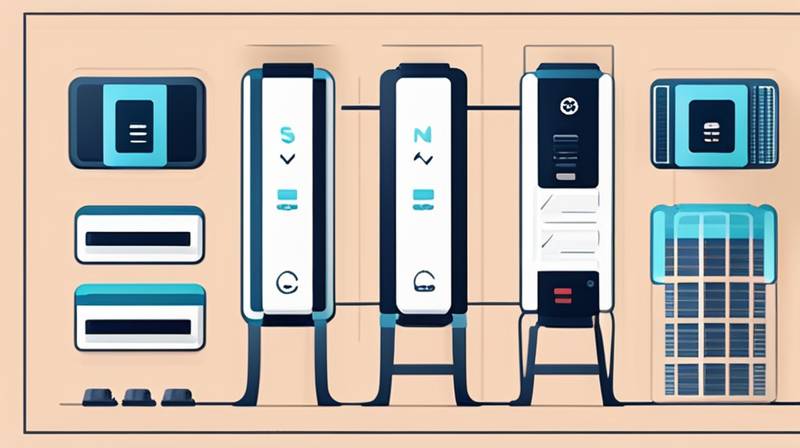
An energy storage stack module refers to a highly engineered assembly designed for efficient energy retention and discharge, ensuring optimal performance in various applications. 1. It integrates multiple energy storage units, such as batteries or supercapacitors, to enhance capacity and capability. 2. This module supports renewable energy integration, enabling smoother transitions between generation and consumption. 3. Applications range widely, from electric vehicles to grid storage, underscoring its significance in modern energy systems. 4. With advancements in technology, the module showcases improved safety features and better management systems, increasing reliability. 5. The market for these modules is expanding rapidly as the demand for sustainable energy solutions continues to grow.
1. UNDERSTANDING ENERGY STORAGE STACK MODULES
Energy storage stack modules have emerged as pivotal components within contemporary energy infrastructures, playing a crucial role in bridging the gap between energy generation and consumption. Their design allows for the integration of various energy storage technologies, each contributing unique advantages. For instance, batteries, supercapacitors, and flywheels can all be orchestrated within a single stack module to accommodate different energy needs. This diverse integration not only enhances energy retention capabilities but also facilitates rapid discharge when necessary, addressing fluctuating demand profiles effectively.
Innovations in energy storage systems are largely driven by the increasing reliance on renewable energy sources. Solar and wind energies are inherently variable; hence, they necessitate advanced storage solutions that can absorb excess energy during peak production times and release it when generation is low. Energy storage stack modules are engineered to fulfill this requirement, thereby ensuring a seamless energy supply and contributing to grid stability. In the context of electricity networks, such systems enable consumers to optimize their energy usage, potentially leading to significant cost savings.
2. COMPONENTS OF ENERGY STORAGE STACK MODULES
Diving deeper into the anatomy of energy storage stack modules reveals several critical components that work in unison to deliver high-performance energy solutions. Central to these modules are the energy storage devices themselves, which can include various forms of batteries—such as lithium-ion, lead-acid, or emerging solid-state technologies. Each of these options brings specific advantages in terms of energy density, cycle life, and cost-effectiveness.
Moreover, an energy storage stack module features advanced battery management systems (BMS), which monitor the state of charge, temperature, and overall health of each constituent energy unit. Such management systems are vital for ensuring the longevity and safety of the stored energy. This capability is paramount, especially given that thermal runaway can pose serious risks in poorly managed battery systems. The introduction of sophisticated algorithms allows for predictive maintenance and real-time performance monitoring, drastically reducing the chances of system failure.
3. APPLICATIONS OF ENERGY STORAGE STACK MODULES
The versatility of energy storage stack modules enables their application across numerous sectors, ranging from consumer electronics to large-scale energy grids. In the automotive sector, the rising trend of electric vehicles (EVs) relies heavily on these modules, as integrated battery systems provide both the necessary range and performance characteristics that consumers expect. This demand has prompted extensive research into enhancing energy density and reducing charging times, making EVs more appealing to potential buyers.
Additionally, grid storage solutions benefit tremendously from energy storage stack modules, particularly in their role of storing excess energy generated by renewable sources. By facilitating energy arbitrage, these modules help utility companies balance loads, stabilize frequency, and bolster overall network resilience. Furthermore, their implementation contributes toward achieving several climate targets by supporting the gradual phase-out of fossil fuel dependency, thereby driving a significant shift towards cleaner energy sources.
4. ADVANTAGES OF ENERGY STORAGE STACK MODULES
In juxtaposition to traditional energy storage methods, energy storage stack modules stand out due to their multifaceted benefits. One notable advantage is their improved energy efficiency. By deploying these modules, organizations can minimize energy losses that occur during storage and retrieval processes. This enhanced performance results in lower operational costs and an overall reduction in the depreciation of valuable resources.
Another significant benefit lies in their scalability. Energy storage stack modules can be configured in various combinations to align with distinct deployment needs. Whether for a residential setup or an extensive industrial application, they can be tailored to offer respective capacities and functionalities. This level of customization enhances the accessibility of energy storage technologies, thereby enabling a broader spectrum of end-users to participate in energy transition strategies.
5. CHALLENGES AND LIMITATIONS OF ENERGY STORAGE STACK MODULES
Despite the many advantages associated with energy storage stack modules, several formidable challenges persist. One key issue revolves around cost. While technological advancements continue to lead to decreased prices for energy storage technologies, the initial investment can still pose a barrier for widespread adoption, particularly among small enterprises and residential users. This situation necessitates innovative financing solutions and supportive policies to stimulate market growth and encourage investment.
Concerns related to the environmental impact of energy storage technologies also remain prevalent. While storage solutions such as lithium-ion batteries have gained widespread acceptance, the mining, processing, and disposal of raw materials involved raises significant sustainability questions. Thus, the pursuit of greener alternatives—such as recycling and repurposing existing materials—has become increasingly important to mitigate these environmental impacts.
6. FUTURE OF ENERGY STORAGE STACK MODULES
Looking ahead, the trajectory of energy storage stack modules is promising, albeit laden with challenges that necessitate innovative solutions. Ongoing research and development efforts aim to expand the range of materials used in energy storage devices, introducing new chemistries that not only enhance performance but also reduce environmental footprints. Emerging concepts such as organic batteries and other biodegradable alternatives illustrate the potential for transformative changes in energy storage technology.
Furthermore, there is an increasing emphasis on integrating artificial intelligence (AI) and machine learning within the management systems of these modules. Such advancements promise to usher in a new era of predictive analytics, enabling more efficient energy usage and scheduling that optimizes both supply and demand across varied applications. As the urgency for sustainable energy solutions escalates, energy storage stack modules will undoubtedly continue to evolve, becoming ever more integral to a resilient energy future.
COMMONLY ASKED QUESTIONS
WHAT ARE THE KEY BENEFITS OF ENERGY STORAGE STACK MODULES?
Several advantages highlight the importance of energy storage stack modules. Primarily, they enhance energy reliability and availability by bridging generation and consumption. This capacity is crucial in addressing intermittency issues often associated with renewable energy sources like solar and wind. Modules absorb excess energy during peak production and release it during high demand periods, ensuring a smoother energy flow within the system. Secondly, their scalability allows users to customize configurations tailored to distinct needs—from residential setups to large-scale industrial applications. Furthermore, safety is addressed through advanced battery management systems that monitor and mitigate risks effectively. Ultimately, these factors contribute to improved energy efficiency, higher cost-effectiveness, and a higher adoption rate among diverse stakeholders.
HOW DO ENERGY STORAGE STACK MODULES IMPACT SUSTAINABILITY EFFORTS?
The role of energy storage stack modules in furthering sustainability initiatives cannot be overstated. These modules facilitate renewable energy integration, acting as pivotal components in harnessing the full potential of resources that are otherwise intermittent, such as solar and wind. By storing excess energy produced during peak hours and discharging it during lulls, modules bolster grid stability and reduce reliance on fossil fuels. Moreover, their capacity to provide ancillary services, such as frequency regulation and load shifting, enables more efficient energy distribution. This function directly contributes to minimizing wastage and enhancing the sustainability trajectory within energy usage, thereby positioning these technologies as essential tools for achieving critical climate goals.
WHAT CHALLENGES DO ENERGY STORAGE STACK MODULES FACE IN THE MARKET?
While the prospects for energy storage stack modules are encouraging, several industry challenges persist. One critical concern pertains to cost; the initial investment for installing advanced storage systems can be significant, potentially hindering adoption rates, especially among small enterprises and residential users. Additionally, environmental implications associated with raw material sourcing and battery disposal raise sustainability questions that must be addressed through responsible practices. Another obstacle involves technological maturity; ongoing research and development are needed to refine performance, durability, and safety features continuously. Encouraging supportive policies and fostering innovative financing mechanisms will be imperative to overcome these challenges and enable wider implementation of energy storage solutions.
In summarizing the discourse surrounding energy storage stack modules, it is evident that these systems are indispensable to the modern energy landscape. The integration of diverse storage technologies allows for significant enhancements in both energy efficiency and reliability, supporting the ongoing transition toward renewable energy. Notably, the advantages gained from deploying these modules include not only improved performance but also greater environmental stewardship through strategic energy management. Despite confronting challenges such as upfront costs and the need for sustainable material sourcing, the continuous advancements within the sector promise to foster greater accessibility and efficiency. The increasing focus on AI and machine learning within storage management systems clearly indicates a forward-thinking approach aiming at optimizing energy use. As we explore the future of energy dynamics, energy storage stack modules will undoubtedly play a critical role in shaping a more sustainable and resilient energy landscape, aligning with the broader goals of global climate initiatives. The commitment to refining these technologies ensures their relevance in combating the energy challenges of today and tomorrow, securing a balanced and effective approach to energy storage for diverse applications. The pace of innovation in this arena suggests a bright future for energy storage solutions, together with steadfast investments and collaborations aimed at elevating utility, efficiency, and safety.
Original article by NenPower, If reposted, please credit the source: https://nenpower.com/blog/what-is-the-energy-storage-stack-module/

