

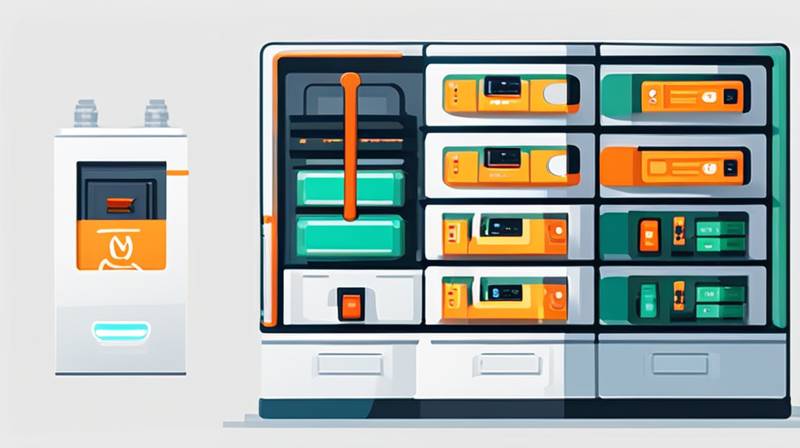
The energy storage key in the power distribution cabinet is pivotal for enhancing energy management. 1. This component enables efficient storage, allowing for better load balancing and distribution across electric networks. 2. Integration with renewable sources optimizes usage and minimizes waste, supporting sustainable practices. 3. Advancements in technology have led to smarter energy storage solutions, often embedded within cabinet designs. 4. Monitoring capabilities enhance operational efficiency, providing real-time data analysis. 5. Choosing the appropriate energy storage system (ESS) is crucial for maximizing performance and reliability.
UNDERSTANDING THE IMPORTANCE OF ENERGY STORAGE IN POWER DISTRIBUTION CABINETS
Energy storage has increasingly become an integral part of modern power distribution systems. As electric grids adapt to rising demands and shifting consumption patterns, the necessity for efficient energy management mechanisms is undeniable. The power distribution cabinet, a critical fixture in energy distribution, must include state-of-the-art energy storage solutions. By incorporating energy storage technology, these cabinets can significantly improve the resilience and efficiency of electric networks.
The burgeoning reliance on intermittent renewable energy sources such as wind and solar underscores the significance of energy storage solutions. Energy storage is essential for accommodating variability in source generation, especially when demand outstrips supply. Proper energy management safeguards against blackouts and stabilizes the grid during fluctuations in energy demand.
1. THE ROLE OF ENERGY STORAGE TECHNOLOGIES
Energy storage technologies are varied and include batteries, flywheels, and pumped hydro storage. Batteries are the most common energy storage technology used in power distribution cabinets. Lithium-ion batteries, in particular, have gained popularity due to their high energy density and efficiency. These batteries can absorb excess energy during periods of low demand and discharge it when demand peaks, effectively leveling load profiles.
The operational mechanics of these batteries involve intricate chemical processes that convert electrical energy into chemical energy for storage, and back into electrical form during discharge. Once integrated into power distribution cabinets, batteries facilitate significant improvements in response times compared to traditional systems. They offer the capability to harness energy from renewable sources, promoting environmental sustainability by reducing dependence on fossil fuels.
Additionally, there are other forms of energy storage such as flywheel energy storage systems. These systems utilize a rotating mass that stores kinetic energy and can release it quickly when needed. The ability to swiftly discharge makes flywheels suitable for applications where instantaneous power is essential, such as stabilizing the grid during short-term outages.
2. INTEGRATION WITH RENEWABLE ENERGY SOURCES
The convergence of energy storage systems with renewable energy technologies presents multifaceted advantages. By integrating energy storage with solar or wind systems, stakeholders can maximize energy utilization. During sunny or windy periods, surplus energy generated can be stored and used later, thus mitigating energy wastage.
Moreover, this integration supports grid modernization efforts by enabling decentralized energy models. Decentralization allows consumers to become more than just passive energy users; they can generate, store, and even sell energy back to the grid. This empowerment promotes greater energy independence, reduces transmission losses, and contributes to grid resilience.
Another benefit emerges from the implementation of algorithms and machine learning techniques that optimize energy dispatch from storage systems. These smart technologies can predict energy usage patterns, allowing for more efficient energy flow management, balancing supply and demand on a continual basis. Grid operators can utilize data-driven insights for smoother operations, contributing to enhanced reliability for end-users.
3. ENHANCING EFFICIENCY THROUGH MONITORING SYSTEMS
Real-time monitoring of energy storage systems integrated within power distribution cabinets is crucial for optimizing performance. Sophisticated monitoring technology provides users with valuable data insights, facilitating proactive management of energy resources. Remote monitoring solutions enable stakeholders to track energy levels, usage rates, and overall performance metrics.
These monitoring systems often leverage Internet of Things (IoT) technology, which connects various components across the energy network. This connectivity allows for seamless data flow and communication, enhancing predictive maintenance capabilities. By recognizing potential issues before they escalate, operators can schedule maintenance to minimize downtime and prevent failures.
Furthermore, comprehensive monitoring provides transparency, which is vital for regulatory compliance and operational reporting. Stakeholders can track their contribution to energy savings and reduced carbon footprints, enabling businesses and municipalities to enhance their sustainability profiles while also possibly benefiting from incentives offered by governmental bodies.
4. ADVANTAGES OF ENERGY STORAGE WITH POWER DISTRIBUTION CABINETS
The advantages of integrating energy storage technologies within power distribution cabinets are manifold. Cost-effectiveness stands at the forefront, as systems can alleviate the need for standby power plants, thereby reducing operational expenses. Energy producers can avoid expensive peak-time purchasing by strategically discharging stored energy.
Moreover, enhanced grid reliability offers significant benefits to consumers. Businesses depend on uninterrupted power for operations, and households desire consistent energy availability. By mitigating frequency and voltage fluctuations, energy storage systems help in maintaining grid integrity, resulting in fewer outages and smoother energy delivery.
The contribution to environmental sustainability is another vital aspect. Enhanced energy storage systems facilitate the increased adoption of renewable energy sources, pushing towards a decrease in greenhouse gas emissions. As energy storage technology continues to develop, its role in the transition towards a decarbonized energy future becomes increasingly prominent, reflecting a collective effort to create an environmentally friendly energy landscape.
5. CONSIDERATIONS FOR SUCCESSFUL DEPLOYMENT
For successful deployment of energy storage within power distribution cabinets, several factors warrant consideration. Selecting the appropriate energy storage system is paramount. Different technologies possess varying capabilities, efficiencies, and life cycles. Factors such as application, scale, and budget will dictate the most suitable choice for integration.
Evaluating local regulations and standards is also essential. Regulatory frameworks often dictate safety standards, performance requirements, and size limitations. Ensuring compliance upfront can ward off operational disruptions and financial penalties later.
In addition, stakeholder collaboration improves deployment efficacy. Engaging various stakeholders, including grid operators, energy producers, and technology providers fosters a shared understanding of needs and expectations. Such collaboration can facilitate more streamlined processes and contribute to smoother implementation and functionality of energy storage systems.
FREQUENTLY ASKED QUESTIONS
WHAT ARE THE MAIN TYPES OF ENERGY STORAGE TECHNOLOGIES IN POWER DISTRIBUTION CABINETS?
The principal types of energy storage technologies utilized within power distribution cabinets encompass batteries, flywheels, and pumped hydro storage systems. Batteries, particularly lithium-ion variants, are most prevalent due to their high efficiency and energy density. They allow for vast energy absorption and discharge capabilities, making them ideal for smoothing demand curves. Flywheel systems offer instantaneous energy release, effectively stabilizing the grid during short power interruptions. Meanwhile, pumped hydro storage is traditionally used in larger scale applications, utilizing gravity to store energy by elevating water, which can later be released for electricity generation. Each of these technologies serves distinct operational purposes, making their appropriate selection to align with specific energy management tactics essential.
HOW DO ENERGY STORAGE SYSTEMS IMPROVE GRID RELIABILITY?
Energy storage systems bolster grid reliability through multiple avenues. By facilitating peak shaving and load leveling, they help manage energy demands effectively. During high consumption periods, stored energy can be supplied quickly, thus alleviating demand on energy generating sources. Additionally, energy storage systems allow for the absorption of excess energy generated during low demand, maintaining balance within the energy supply chain. This intrinsic capacity to respond to fluctuations ensures that grid operators can maintain continuity of service. Moreover, reliable energy storage solutions can act as backup systems in emergencies, further safeguarding the grid against unplanned outages.
WHAT FACTORS SHOULD BE CONSIDERED IN ENERGY STORAGE SYSTEM SELECTION?
The selection of an energy storage system necessitates a thorough examination of several critical factors. Application requirements represent a primary consideration, as various use cases dictate different performance metrics and technological requirements. Furthermore, evaluating the financial implications, including initial investment costs, operational costs, and potential savings due to reliability improvements, is pivotal. The geographic context can also influence selection, as climate and availability of resources affect operational capabilities. Lastly, regulatory compliance and safety standards must be adhered to, ensuring the system aligns with local legislative guidelines.
The significance of energy storage keys within power distribution cabinets cannot be overstated. Increasing energy demands require innovative solutions to maintain stability and efficiency in electric networks. With numerous technologies available, stakeholders can optimize energy usage while addressing the variability inherent in renewable sources. By understanding the multifaceted benefits of energy storage systems, including enhanced grid reliability, cost-effectiveness, and the support of sustainability goals, decision-makers can leverage these advancements for smarter energy management.
To ensure successful implementation, a careful evaluation of technological options, adherence to regulatory standards, and comprehensive stakeholder collaboration are crucial. The ongoing evolution in energy storage technologies paints a promising picture for the electrification of the future, indicating a shift towards decentralized, renewable energy systems characterized by greater efficiency and resilience. The integration of robust energy storage solutions into power distribution cabinets symbolizes a critical step towards achieving an eco-conscious, stable energy landscape that meets the needs of both current and future generations.
Original article by NenPower, If reposted, please credit the source: https://nenpower.com/blog/what-is-the-energy-storage-key-in-the-power-distribution-cabinet/

