

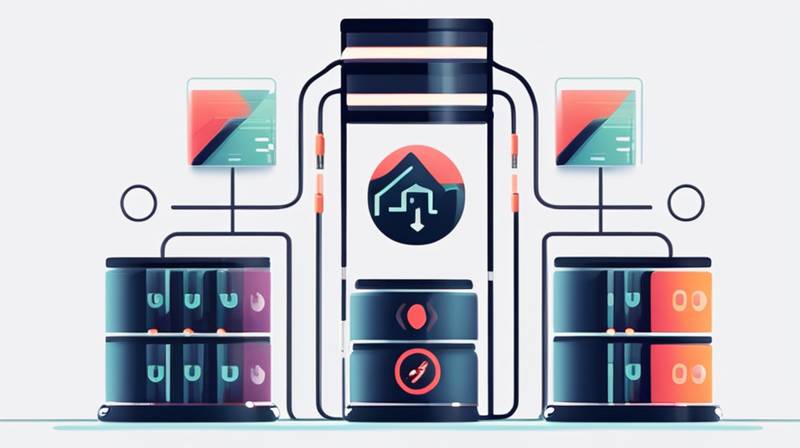
Energy storage frequency regulation projects serve a pivotal role in enhancing grid stability and integrating renewable sources into the power system. 1. These initiatives involve the utilization of advanced battery systems or other energy storage technologies to manage fluctuations in electrical supply and demand, 2. ensuring that the grid maintains a constant frequency level despite the variability inherent in renewable energy generation like wind and solar. 3. The effectiveness of these projects directly impacts the reliability of electricity provision and helps mitigate potential blackouts. 4. Such projects not only offer economic benefits by optimizing the use of energy resources and reducing operational costs but also contribute to reducing greenhouse gas emissions through the promotion of clean energy usage.
1. UNDERSTANDING ENERGY STORAGE
Energy storage fundamentally encompasses the capture of energy produced at one time for use at a later time. Stored energy can be in various forms, including chemical (batteries), gravitational (pumped hydro), and thermal (molten salt). Effective energy storage solutions can address critical challenges in power management, primarily stemming from climate change and the accelerated adoption of intermittent renewable energy sources. In the context of frequency regulation, the focus lies on stabilizing the grid by rapidly injecting or drawing power as needed.
At the heart of frequency regulation lies the inherent instability of electrical demand versus supply. Whereas traditional power plants operate with relatively predictable outputs, renewable sources like wind and solar rely on environmental conditions, resulting in significant variability. This intermittency means that supply may not always match demand, particularly during peak times or low production periods. Energy storage technologies emerge as a key player, absorbing excess energy during periods of low demand and delivering energy during peak periods, ensuring a balanced grid.
2. THE ROLE OF FREQUENCY REGULATION
Frequency regulation refers to the process of maintaining the operational frequency of the electrical grid within a designated range, typically around 60 Hz in North America and 50 Hz in many other parts of the world. When there is an imbalance between generation and load, it can lead to frequency deviations, potentially damaging equipment and leading to outages. Energy storage projects play a significant role in managing these deviations, offering a rapid response to oscillations in frequency.
The necessity for frequency regulation has only grown with energy markets’ evolution and the increasing incorporation of variable renewable energy sources. By deploying energy storage systems equipped with sophisticated control algorithms, operators can react swiftly—often within seconds—to changes in frequency by discharging or charging energy. This rapid response capability is vital in modern grid management, enabling the integration of larger quantities of renewables while ensuring stability.
3. TYPES OF ENERGY STORAGE TECHNOLOGIES
Diverse technologies contribute to energy storage frequency regulation, each with unique characteristics suited to specific applications. Batteries represent one of the most prominent technologies, encompassing various chemistries such as lithium-ion, lead-acid, and flow batteries. Batteries can provide high power output in short durations, making them ideal for frequency regulation.
Another significant player is pumped hydro storage, which utilizes surplus electricity to pump water to a higher elevation. During peak demand, the stored water is released to generate electricity. Although traditionally considered the most established and widely deployed form of energy storage, its geographical limitations can restrict the rapid deployment of new projects in some areas.
Flywheel energy storage systems store energy in the form of kinetic energy in a rotating mass. When energy is needed, the stored kinetic energy is converted back into electrical energy. This technology is particularly known for its longevity and excellent cyclic performance, allowing for frequent charging and discharging without significant degradation.
4. ECONOMIC IMPACT OF ENERGY STORAGE PROJECTS
Energy storage projects significantly contribute to the economic stability of energy markets. By providing ancillary services such as frequency regulation, these systems enable more efficient operation of the grid, optimizing power generation methods and reducing costs. Particularly, energy storage helps minimize the need for traditional fossil fuel plants to ramp up generation during peak demand, leading to lower emissions and operational costs.
Moreover, energy storage can enhance energy market competition by acting as a last-resort resource during demand spikes, facilitating lower prices for consumers. Facilities equipped with energy storage capabilities not only benefit from voltage and frequency regulation services but also gain opportunities to capitalize on time-of-use pricing—selling stored energy during high-rate periods. This multifaceted economic advantage demonstrates how valuable energy storage systems can be in promoting both profitability for operators and cost savings for consumers.
5. CHALLENGES IN IMPLEMENTING ENERGY STORAGE PROJECTS
Despite their benefits, energy storage frequency regulation projects face multiple challenges in implementation and scaling. Regulatory hurdles and a lack of standardized frameworks can create uncertainty, deterring investment in this crucial technology. Policymakers must develop supportive environments that enable the growth and proliferation of energy storage by providing clear guidelines and incentives.
Economic feasibility also presents a significant challenge. The initial capital costs associated with energy storage technologies, particularly advanced battery systems, may be prohibitive for some developers. However, as technology advances and costs continue to decline, coupled with increasing demand for clean energy solutions, more projects are poised to emerge.
Integration with existing grid infrastructure is another vital consideration. A seamless connection between energy storage systems and the grid is essential for ensuring effective frequency regulation, and achieving this requires innovative technological development and robust planning.
6. FUTURE OF ENERGY STORAGE AND FREQUENCY REGULATION
As the global transition toward renewable energy accelerates, the future of energy storage in frequency regulation looks promising. Improvements in battery technologies, such as increased energy density, faster charging times, and enhanced lifespan, will further boost their viability and functionality for grid services. The emergence of novel storage solutions such as hydrogen fuel cells and solid-state batteries will also expand the landscape of energy storage options available for frequency regulation.
Innovations in artificial intelligence and machine learning will greatly enhance the sophistication of energy management systems. By processing vast amounts of data, these systems can predict demand patterns, optimize energy flows, and ensure that frequency remains within acceptable ranges efficiently. The integration of smart grid technologies will allow for enhanced communication and coordination between storage units and grid operators, promoting resilience.
Additionally, as policies and incentives evolve to support low-carbon technologies and decarbonization efforts increase, investments in energy storage projects are anticipated to grow significantly. Market dynamics will become more conducive to the inclusion of energy storage in various applications, ensuring a stable and reliable energy future.
FREQUENTLY ASKED QUESTIONS
WHAT TYPE OF ENERGY STORAGE IS BEST FOR FREQUENCY REGULATION?
The ideal energy storage technology for frequency regulation hinges on several factors, including response time, duration of output, efficiency, and cost. Battery systems, particularly lithium-ion batteries, are frequently favored due to their rapid response, high energy density, and scalability. They excel at providing quick bursts of power to stabilize the grid during sudden demand spikes or generation dips. Pumped hydro storage also serves as an effective solution but is geographically constrained and may require substantial infrastructure investment. Ultimately, the best solution may involve a combination of various technologies tailored to the specific demands of the grid.
HOW DOES ENERGY STORAGE IMPACT GRID RELIABILITY?
Energy storage plays a critical role in enhancing grid reliability by addressing the inherent variability and unpredictability of power supply and demand. By acting as a buffer, energy storage systems absorb excess electricity during periods of low demand and release it during peak usage times. This capability helps stabilize voltage and frequency levels, reducing the risk of outages caused by supply-demand imbalances. Furthermore, the inclusion of energy storage encourages investments in renewable energy sources, leading to a more diverse and sustainable energy mix, which ultimately bolsters overall grid resilience.
CAN ENERGY STORAGE REDUCE ELECTRICITY COSTS FOR CONSUMERS?
Yes, energy storage has the potential to significantly reduce electricity costs for consumers. By allowing energy providers to optimize their operations, storage systems can help minimize reliance on costly peaker plants, which are often activated during times of high demand. This reduction in operational costs can translate to lower prices for end-users. Additionally, consumers can benefit from time-of-use pricing strategies, where energy storage systems discharge during peak pricing periods, allowing consumers to purchase electricity at a more favorable rate—ultimately resulting in tangible savings on their utility bills.
Energy storage frequency regulation projects represent a transformative solution for modern energy challenges, offering essential support for grid stability and facilitating the integration of renewable energy sources. Their role in maintaining frequency levels within acceptable ranges has become increasingly critical in light of the growing incorporation of intermittent generation and changing energy consumption patterns. The integration of such systems alleviates supply-demand imbalances, mitigates the risk of outages, and underscores the importance of a reliable energy future.
Additionally, the economic implications of energy storage projects are profound, influencing market operations and providing cost-effective energy solutions for consumers and service providers alike. As advancements in technology continue to lower costs and improve efficiency, the prevalence of these projects is expected to rise.
Nevertheless, implementing effective systems faces challenges that require thoughtful regulatory frameworks, investment support, and innovative integration strategies. Stakeholders, including policymakers, developers, and consumers, collectively play a role in shaping the future landscape of energy storage systems and their applications.
As we transition further toward decarbonized energy systems, the role of energy storage frequency regulation projects will undoubtedly expand. With a focus on minimizing greenhouse gas emissions while enhancing grid reliability and resilience, energy storage will serve as a cornerstone of future energy strategies, ensuring that clean and sustainable power is both affordable and accessible. Ultimately, it is crucial to recognize the interconnected nature of energy storage, grid stability, and the broader objectives of climate change mitigation and sustainability, paving the way for informed action in the energy sector.
Original article by NenPower, If reposted, please credit the source: https://nenpower.com/blog/what-is-the-energy-storage-frequency-regulation-project/

