

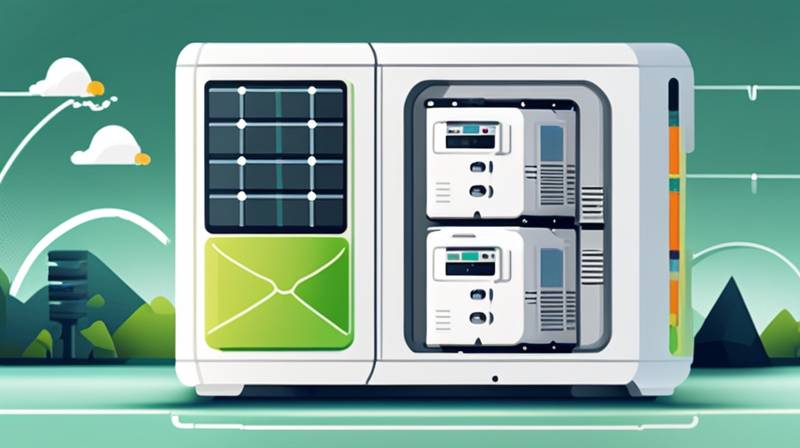
1. The energy storage capacity of microgrids refers to the ability of these decentralized energy systems to store and manage electricity. This capacity is crucial for enabling effective integration of renewable energy sources, enhancing reliability, and optimizing energy distribution. 2. Factors influencing this capacity include the types of storage technologies employed, the scale of the microgrid, and its design. 3. Common storage options encompass lithium-ion batteries, flywheels, and pumped hydro storage. 4. Ultimately, the energy storage capacity directly impacts the performance and sustainability of microgrids, making it a critical consideration for future energy systems.
1. UNDERSTANDING MICRGRIDS AND THEIR FUNCTIONALITIES
Microgrids are localized energy systems capable of operating independently or in conjunction with the centralized grid. They encompass a diverse range of energy sources, including solar panels, wind turbines, and conventional generators. By facilitating localized energy production, microgrids mitigate the impacts of outages and energy supply disruptions common in vast traditional systems. The importance of microgrids has significantly risen due to increased energy demand, aging infrastructure, and the pressing need for a shift towards sustainable energy solutions.
The operational flexibility of microgrids is enhanced by their capacity to switch between grid-connected and standalone modes. This capability allows for optimized energy loads, enhancing resilience in case of larger grid failures. Furthermore, integration of energy storage technologies into microgrids plays a vital role in their efficiency and operational effectiveness. By ensuring the availability of energy during peak demands or outages, these systems can maintain a stable power supply.
2. ENERGY STORAGE TECHNOLOGIES EMPLOYED IN MICRGRIDS
Energy storage technologies are central to microgrid operations, allowing them to trap surplus energy and release it when required. The choice of storage technology profoundly influences the microgrid’s overall efficiency and effectiveness. Lithium-ion batteries, for example, have gained prominence due to their high energy density, rapid charging capabilities, and declining costs. These batteries facilitate large scale energy storage, ideal for balancing intermittent renewable sources like solar and wind power.
Pumped hydro storage remains one of the oldest and most reliable methods for energy storage. This technology exploits gravitational potential energy by pumping water to a higher elevation during low energy demand periods. When demand surges, the stored water is released to generate electricity, thereby providing a continuous supply during peak hours. The significant capacity of pumped hydro systems enables them to serve larger microgrids effectively, delivering both energy and ancillary services.
3. FACTORS AFFECTING ENERGY STORAGE CAPACITY
Several key elements significantly influence the energy storage capacity of microgrids. Scale and design of the microgrid are paramount. Larger, more complex microgrids require substantial storage solutions capable of managing elevated energy demands. Additionally, the integration of renewable energy sources necessitates more elaborate storage systems to handle the variability associated with these resources. The design also determines energy flow efficiency, impacting overall performance and storage capabilities.
Economic factors also play a vital role in defining storage capacity. High initial capital costs for advanced storage technologies may deter microgrid development. However, as technology matures and costs decline, more microgrids will likely invest in robust energy storage systems. Also, government incentives and innovative financing models can support investments in energy storage technologies, expanding the deployment of microgrids.
4. OPTIMIZING ENERGY STORAGE FOR SUSTAINABILITY
Enhancing the energy storage capacity of microgrids is crucial for promoting sustainability in energy systems. By improving storage capabilities, microgrids can more effectively incorporate renewable sources, minimizing reliance on fossil fuels and reducing carbon emissions. Technologies such as vanadium redox flow batteries are emerging as viable solutions for large-scale energy storage due to their long lifespan and suitability for renewable energy integration.
Moreover, innovative approaches like demand-side management can optimize the energy usage across the grid. This strategy enables end-users to adjust their consumption patterns based on energy availability, reducing pressure during peak periods. Through intelligent energy management systems and real-time data analytics, microgrids can further refine energy distribution and improve storage efficiency, paving the way for a sustainable energy future.
5. THE ROLE OF POLICY AND REGULATIONS IN ENERGY STORAGE CAPACITY
Legislation and regulatory frameworks significantly shape the energy storage landscape in microgrids. Policies promoting renewable energy integration and providing financial incentives for energy storage projects are essential in fostering microgrid deployment. Supportive regulatory environments encourage stakeholders to invest in advanced energy storage solutions, thus enhancing the overall capacity of microgrids.
Additionally, standards for interconnection and operation can streamline the integration of various energy sources and storage technologies. These regulations help balance grid reliability with innovative energy solutions, ensuring that microgrids can effectively contribute to overall energy security. As policies evolve, they must continue to adapt to the rapid advancements in energy storage technologies, ensuring ongoing support for microgrid development.
FREQUENTLY ASKED QUESTIONS
WHAT TYPES OF ENERGY STORAGE SYSTEMS ARE COMMONLY USED IN MICRGRIDS?
Microgrids utilize various energy storage systems to enhance their operational efficiency and resilience. Lithium-ion batteries are among the most popular options due to their high energy density and performance capabilities. These batteries are valuable for short-duration applications, especially for managing loads during peak demand times and stabilizing the grid.
Additionally, flow batteries, such as vanadium redox batteries, are gaining traction for larger applications due to their scalability and long service life. They are well-suited for renewable integration, allowing for longer-term energy storage. Flywheels are another technology, providing rapid response times and high cycle performance, ideal for high-demand situations. Compressed air energy storage (CAES) and pumped hydro storage also contribute to managing discrepancies in energy supply and demand, providing solutions for diverse microgrid configurations.
HOW DOES ENERGY STORAGE IMPACT THE RELIABILITY AND RESILIENCE OF MICRGRIDS?
Energy storage plays a pivotal role in enhancing the reliability and resilience of microgrids. By providing backup power during outages or disruptions, effective storage solutions ensure that consumers maintain access to electricity, minimizing the economic and social impacts of power failures. Storage systems mitigate the intermittency of renewable energy sources, allowing microgrids to maintain a stable electricity supply despite fluctuations in generation.
Moreover, integrating energy storage leads to enhanced grid stability. Systems equipped with storage mechanisms can better balance supply and demand, ensuring seamless energy distribution throughout the network. As microgrids demonstrate their capability to function independently during disturbances, their resilience strengthens, ensuring community preparedness for natural disasters or emergency circumstances. In this way, energy storage not only optimizes performance but also bolsters overall grid security.
CAN MICRGRIDS OPERATE WITHOUT ENERGY STORAGE?
While microgrids can certainly operate without energy storage systems, their efficiency and reliability are significantly compromised. A microgrid without storage may struggle to manage fluctuations in energy supply and demand, particularly when reliant on intermittent renewable sources. In circumstances where generation does not align with consumption—such as on cloudy days for solar power—there is a heightened risk of outages or service interruptions.
In addition, the absence of energy storage limits the ability to engage in demand-side management strategies, which optimize energy consumption based on real-time availability. Ultimately, even though microgrids can function without storage, the incorporation of such systems greatly enhances their effectiveness, resilience, and contribution to a sustainable energy future.
The significance of energy storage capacity within microgrids cannot be overlooked. Without this capability, the effectiveness of microgrids is severely hindered. The interplay between storage technologies and microgrids determines their ability to provide continuous, reliable power, particularly in the face of increasing energy demands and rising reliance on renewable resources. Furthermore, energy storage directly influences the operational flexibility of these systems, allowing them to adapt to variations in energy generation and consumption. As advancements in energy storage technologies continue to evolve, microgrids stand to benefit immensely, paving the way for enhanced energy sustainability and resilience. The focus must be on developing multifaceted energy storage solutions that cater to diverse grid configurations, ensuring microgrids become essential pillars of the energy landscape. Addressing this challenge will not only fortify energy security but also facilitate the global transition towards a more sustainable and decentralized energy paradigm. Therefore, stakeholders must prioritize investments in energy storage within microgrids to realize their full potential and deliver significant benefits to communities and energy systems alike.
Original article by NenPower, If reposted, please credit the source: https://nenpower.com/blog/what-is-the-energy-storage-capacity-of-microgrid/

