

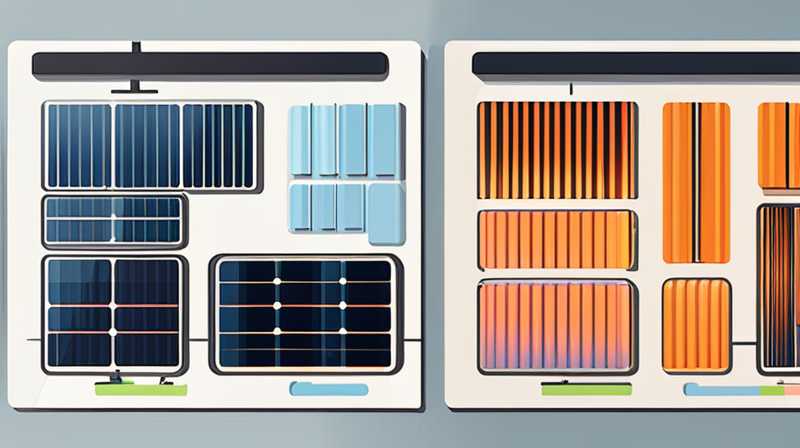
1. SOLAR FLOOR HEATING is a system that utilizes solar energy to warm the floors of a building. This method typically involves the integration of solar panels or collectors that capture sunlight, converting it into heat. This heat is then transferred to a fluid, usually water or air, which circulates through pipes or ducts laid beneath the flooring. One of the essential advantages of this approach is its potential for significant energy savings, particularly in regions with abundant sunlight. 2. RADIANT FLOOR HEATING, on the other hand, describes a heating method in which warm water or electricity circulates through the floor itself. This system relies on heating cables or water pipes embedded in the floor structure, radiating warmth throughout the space. It operates independently of solar energy, making it effective in various climates and at all times of the year. 3. INSTALLATION AND COST differ notably between the two systems, often influencing choices based on budget and project scope. 4. PERFORMANCE AND EFFICIENCY present distinct characteristics and benefits worth considering for energy-conscious inhabitants.
1. SOLAR FLOOR HEATING
The methodology behind solar floor heating captures the essence of sustainable living. By utilizing sunlight, which is an inexhaustible resource, buildings can maintain comfortable temperatures while minimizing reliance on conventional energy sources. In practical applications, this involves installing solar collectors or panels on rooftops or in areas with clear exposure to sunlight. These components convert sunlight into thermal energy, which can be utilized to heat water.
This heated water circulates through a series of pipes installed under the flooring. The design can vary, with some systems employing a closed-loop configuration, where the same water is continually cycled, while others may use an open-loop system drawing freshwater from a nearby source. In terms of energy efficiency, many homeowners find solar floor heating significantly beneficial due to lower operating costs over time compared to traditional heating systems.
Another notable aspect of solar floor heating is its environmental impact. By leveraging renewable energy, this method reduces greenhouse gas emissions, aligning with global efforts to combat climate change. Furthermore, the potential for energy credits or incentives varies by region, encouraging homeowners to transition toward greener alternatives.
2. RADIANT FLOOR HEATING
When discussing radiant floor heating, it involves more than mere warmth; it heralds a shift in how indoor environments are optimized for comfort. This system operates by circulating heated fluid through pipes, or in electric systems, conducting electricity through heating cables embedded in the flooring material. This method capitalizes on the principle of radiative heat transfer, warming the space evenly from the ground up.
Typically, the materials chosen for the installation are also paramount; for example, concrete, tile, and even certain types of laminate can effectively conduct heat. The distinction arises in the source of heat. Unlike solar options, radiant heating is often powered by natural gas, electricity, or hot water generated from boilers, giving it versatility across geographical locations and during extended periods of cloudy weather.
Additionally, the thermal comfort provided by radiant heating systems is often superior to traditional heating methods. Eliminating drafts and promoting a uniform temperature distribution contributes to a pleasant indoor environment. Homeowners appreciate how radiant systems can be designed to be integrated into new constructions or retrofitted into existing spaces, making them adaptable for a variety of applications.
3. INSTALLATION AND COST
Focusing on installation and cost merits significant attention, as these elements often sway decision-making for prospective users. Solar floor heating systems require upfront investment in solar panels, collectors, and potentially a storage system for hot water, not to mention the installation complexities associated with integrating these systems into existing structures. Despite the higher initial costs, individuals often perceive long-term savings in terms of energy bills; in sunny climates, this system could eventually pay for itself.
Conversely, radiant floor heating often represents a more accessible option from an initial investment standpoint. It’s vital to conduct an in-depth cost-benefit analysis when deciding between these heating solutions. Costs can fluctuate based on factors such as the type of flooring installed and the area to be heated. While radiant heating systems may still entail significant installation expenses, they typically have a more standard operational expense profile throughout their lifespan.
Moreover, the choice of system often hinges on calculating the return on investment (ROI). Solar systems might offer a more significant ROI in sunny locales, while other climates could yield better results with traditional radiant systems. Homeowners must evaluate not only the initial costs but also the potential energy savings over time, weighing them against their management of comfort across seasons.
4. PERFORMANCE AND EFFICIENCY
When evaluating performance and efficiency, both solar and radiant systems boast distinct advantages and limitations. Solar floor heating excels in scenarios where sunlight is abundant, successfully converting solar power into heat. This system’s performance can vary significantly based on geographic location and weather patterns, emphasizing the need for proper assessment before installation.
In terms of overall efficiency, solar heating systems broadly utilize approximately 50-70% of the energy derived from sunlight, making them an appealing choice for eco-conscious individuals. In contrast, radiant floor heating systems can achieve an efficiency rating between 85-95%, certainly influenced by the source of energy fueling the system and its installation quality. Well-designed systems contribute to reduced energy use while ensuring thermal comfort.
It’s important to also consider how each system interacts with building design and architecture. Solar heating systems necessitate expansive sun exposure to function optimally, perhaps requiring creative architectural solutions for less sunny regions. Radiant heating systems are more versatile, accommodating various home designs while providing flexibility in operational control. Ultimately, homeowners should assess their specific needs against these performance indicators when choosing between solar and radiant floor heating options.
FREQUENTLY ASKED QUESTIONS
WHAT ARE THE MAINTENANCE REQUIREMENTS FOR SOLAR FLOOR HEATING SYSTEMS?
Maintenance of solar floor heating systems is generally minimal, but it does necessitate routine inspection to ensure optimal operation. Regularly clearing dirt or debris from solar panels is essential to maximize sunlight absorption and, consequently, heating efficiency. Homeowners should periodically check the plumbing for leaks, ensuring that the circulating fluid flows effectively. Spent fluid may need replacement due to potential degradation over time. Furthermore, it’s vital to maintain the balance between the solar collectors and consumption to ensure no energy is wasted. Some systems integrate monitoring tools that assess performance levels, allowing users to spot issues early. Having a professional inspection performed annually can significantly extend the lifespan of the system. When well cared for, solar heating systems can offer reliable service for many years with little additional effort.
HOW DOES RADIANT FLOOR HEATING COMPARE TO TRADITIONAL HEATING METHODS?
Radiant floor heating presents numerous advantages when measured against traditional heating methods, such as forced air systems. Unlike conventional systems, which circulate hot air, radiant heating provides uniform warmth directly through the floors, eliminating cold spots and drafts. This quality can contribute to enhanced comfort levels; occupants typically feel warmer at lower temperatures, which can lead to decreased energy consumption and lower heating bills. Additionally, radiant heating reduces noise levels since there are no fans or blowers in operation. The efficiency offered coupled with the indoor air quality benefits, such as reduced dust circulation, markedly contrast with traditional systems that continuously filter and blow air through ducts. Ultimately, radiant heating systems are lauded for their efficiency, comfort, and quiet operation, making them a desirable alternative for many homeowners.
CAN SOLAR FLOOR HEATING AND RADIANT FLOOR HEATING BE USED TOGETHER?
Combining solar floor heating and radiant floor heating can yield significant benefits, enhancing overall efficiency and comfort in a building. This hybrid approach allows homeowners to leverage the strengths of both systems: utilizing solar energy where possible while relying on a conventional energy source as a backup. During ideal weather conditions, solar panels can provide ample energy to heat the water circulating through the radiant floor system, drastically reducing energy costs. On overcast days or in less sunny areas, the radiant heating system can seamlessly draw energy from more traditional sources without interruption. This integration not only promotes sustainable practices but also offers outstanding flexibility and reliability in heating solutions. Homeowners considering this option should work closely with professionals to design an optimal system that accounts for initial investment, operational costs, and overall efficiency.
The Impact of Technological Advances on Heating Systems
Innovations in technology significantly influence the evolution of solar floor heating and radiant floor heating systems. Recent advances in solar panel efficiency, improved thermal storage technology, and smart thermostat integration have transformed the landscape for solar-based heating solutions. These improvements allow homeowners to capture and store more energy than previously attainable, providing consistent warmth even during periods of unfavorable climatic conditions.
Similarly, developments in radiant heating technology, such as enhanced insulation materials and energy-efficient heating cables, have dramatically increased their effectiveness. The rise of smart home systems allows users to control their heating remotely, optimizing energy use even when they are away from home. By understanding the latest advancements in these technologies, homeowners can make informed decisions tailored to their specific circumstances and heating needs.
Beyond creating comfort, these technological evolutions directly impact energy consumption and cost savings. The shift toward smart technology can yield substantial utility bill reductions as systems adapt to varying levels of occupancy and weather conditions. As environmental consciousness rises and more homeowners seek sustainable solutions, the relevance of these innovations continues to surge.
Final Thoughts on Heating Choices
Determining between solar floor heating and radiant floor heating ultimately hinges on individual circumstances, preferences, and environmental considerations. Homeowners must weigh the initial costs against potential long-term savings while considering their geographic location and available sunlight. Building design, total area for heating, and the existing infrastructure all influence how one should approach these various heating methods.
People should also contemplate the maintenance needs, the efficiency of each system, and the overall comfort delivered by their chosen solution. Engaging with experts who can assess specific situations will lead to better-informed decisions. Each heating method possesses unique benefits that can greatly influence the sustainability of residential energy use. With thoughtful planning and consideration, individuals can select a system that not only aligns with their preferences but also contributes positively to their environmental footprint.
Ultimately, the choice between solar floor heating and radiant floor heating is one that factors in not just immediate comfort, but also broader implications for energy consumption and environmental stewardship.
Original article by NenPower, If reposted, please credit the source: https://nenpower.com/blog/what-is-the-difference-between-solar-floor-heating-and/

