

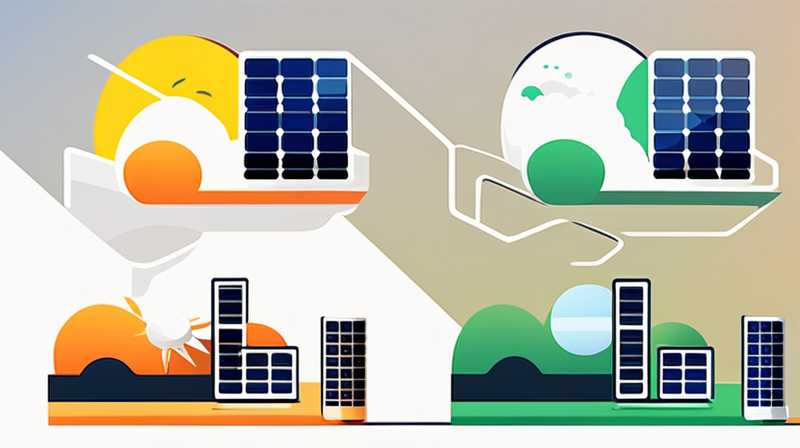
1. Solar energy and photovoltaics represent distinct yet interconnected concepts in the realm of renewable energy. 2. Solar energy encompasses the broader spectrum of harnessing sunlight in various forms, including thermal and photovoltaic. 3. Photovoltaics specifically refers to a technology that converts sunlight directly into electricity through semiconductor materials. 4. The applications of solar energy include heating, powering devices, and even electricity generation, while photovoltaics concentrate solely on electricity generation. 5. Understanding the differences substantiates the growing transition to sustainable energy practices, highlighting each method’s unique advantages and applications.
1. DEFINING SOLAR ENERGY
Solar energy stands as a vital component of the earth’s renewable resources. It is fundamentally the energy derived from the sun’s radiation. This energy is abundant, inexhaustible, and can be harnessed through various technologies. The utilization of solar energy can be broadly categorized into two major types: solar thermal energy and photovoltaic systems.
Solar thermal energy captures sunlight to produce heat, which can be used for residential heating, hot water production, and various industrial processes. This method involves systems such as solar collectors and concentrated solar power (CSP) systems that convert sunlight into heat, driving turbines to generate electricity.
2. UNDERSTANDING PHOTOVOLTAICS
Photovoltaics, often abbreviated as PV, specifically deal with the direct conversion of sunlight into electricity. The technology employs solar cells made from semiconductor materials, such as silicon. When these cells are exposed to sunlight, they create an electric current through the photovoltaic effect.
This technology has gained substantial traction in both residential and commercial sectors due to its ability to provide clean and sustainable energy. PV systems can be installed on rooftops or in large solar farms. In addition, advancements in materials and efficiency have significantly reduced the cost of solar panels, making them increasingly viable for widespread use.
3. COMPARING APPLICATIONS OF SOLAR ENERGY AND PHOTOVOLTAICS
The applications of solar energy are incredibly diverse. Solar thermal systems are commonly used for space heating, greenhouse heating, swimming pool heating, and in certain industrial applications. For example, solar water heaters are efficient in regions with high solar irradiance, providing a sustainable solution for domestic hot water needs.
In contrast, photovoltaics are predominantly focused on electricity generation. This can range from small-scale residential installations to large photovoltaic power stations generating significant amounts of electricity to feed into the grid. The versatility of PV allows for applications in remote locations where traditional energy sources are impractical, creating a robust off-grid solution.
4. ENERGY EFFICIENCY AND ENVIRONMENTAL IMPACT
Energy efficiency is another aspect where solar energy and photovoltaics differ. Solar thermal systems can achieve high efficiency in converting sunlight into heat, often exceeding 70%, depending on design and local conditions. However, photovoltaic systems, while improving in efficiency over the years, generally convert 15-22% of sunlight into electricity. Despite their lower efficiency rates, PV technologies continue to advance, with new materials under research aiming for greater energy conversion rates.
From an environmental perspective, both technologies offer substantial benefits. Solar energy minimizes reliance on fossil fuels, leading to reduced greenhouse gas emissions. In the case of photovoltaics, the manufacturing process of solar panels can raise concerns regarding resource extraction and waste management; however, the overall lifecycle emissions generated from solar energy systems tend to be significantly lower than conventional fossil fuel-based power generation.
5. ECONOMIC CONSIDERATIONS
Economic factors play a crucial role in the adoption of these technologies. The initial investment for solar thermal systems varies widely based on the type and scale of the installation. Government incentives, tax credits, and rebates can significantly offset costs, encouraging homeowners and businesses to invest in solar thermal technologies.
On the other hand, photovoltaics have seen drastic reductions in cost over the past decade, driven by technological advancements and mass production. This trend, coupled with falling costs of installation, has made PV systems a preferred choice for many consumers. The ability to generate electricity on-site often leads to substantial long-term savings on energy bills, making photovoltaics an attractive investment in both residential and commercial sectors.
6. TECHNOLOGICAL INNOVATIONS
Technological innovations continue to shape both solar energy and photovoltaics. For instance, advances in solar thermal collectors have improved their efficiency and affordability. Innovations such as tracking systems allow solar collectors to follow the sun’s path, optimizing energy capture throughout the day.
In the realm of photovoltaics, the introduction of bifacial solar panels is revolutionizing energy production. These panels are designed to capture sunlight from both sides, increasing overall energy output. Additionally, the development of perovskite solar cells presents exciting possibilities for improved efficiency and lower costs in the PV industry.
7. THE ROLE OF POLICY AND REGULATION
The relationship between policy frameworks and the growth of solar energy and photovoltaics cannot be overstated. Governments worldwide play a crucial role in fostering renewable energy adoption through legislation, incentives, and subsidies. Favorable policies can substantially lower installation costs and increase consumer interest in both solar thermal systems and photovoltaic technologies.
Regulatory challenges, however, remain. In many regions, navigating through zoning laws, building codes, and utility regulations can hinder solar deployment. Addressing these barriers is critical for maximizing the potential of solar energy and photovoltaic systems.
8. CHALLENGES AND LIMITATIONS
Despite their considerable advantages, both solar energy and photovoltaics face certain limitations. For solar thermal systems, performance is heavily influenced by geographical location and climate. Areas with less sunlight may not yield sufficient energy, impacting economic feasibility. Furthermore, storage solutions are essential for heat generated during peak sunlight hours to be usable when sunlight is not available.
Photovoltaics also grapple with challenges. Although advancements have bolstered efficiencies, the intermittent nature of solar energy presents inherent limitations. Energy generation is contingent on daylight availability, requiring adequate storage capacity or supplementary energy sources during night hours or overcast conditions.
9. FUTURE OUTLOOK
The outlook for both solar energy and photovoltaic systems is overwhelmingly positive. The global push towards sustainable energy solutions is driving research, investment, and innovation within the industry. Continued technological advancements will likely bring about even more efficient systems, lowering costs while enhancing the viability and adoption of solar technologies.
Moreover, as awareness of climate change increases, stakeholders in both public and private sectors are recognizing the vital role that renewable energy will play in future energy frameworks. This collective mindset shifts towards renewable energy, presenting an opportunity for solar energy and photovoltaics to significantly contribute to a more sustainable global energy landscape.
SOLAR ENERGY VS PHOTOVOLTAICS: FREQUENTLY ASKED QUESTIONS
WHAT IS SOLAR ENERGY?
Solar energy represents the total energy harnessed from sunlight. It encompasses various methods of capturing the sun’s rays and converting them into usable energy forms, such as heat or electricity. This energy can be utilized directly for heating applications or through photovoltaic systems, which convert sunlight into electrical energy using semiconductor materials. Understanding solar energy’s full scope is essential, as it includes not only photovoltaic technologies but also solar thermal applications like water heaters and concentrated solar plants. The potential of solar energy is vast, allowing for various applications in combating climate change and addressing global energy needs sustainably. As technology evolves, more innovative uses of solar energy continue to emerge, paving the way for a sustainable future.
HOW DO PHOTOVOLTAIC SYSTEMS WORK?
Photovoltaic systems convert sunlight directly into electricity through the photovoltaic effect. This process involves solar cells, typically made from silicon, within solar panels. When sunlight strikes these cells, photons are absorbed, releasing electrons and creating an electric current. This generated electricity can either be used immediately or stored for later use. The efficiency of photovoltaic systems continues to improve due to ongoing research and development, focusing on enhancing energy conversion rates. This technology not only offers a clean source of energy but also facilitates energy independence by enabling users to generate their own electricity. As the world seeks sustainable solutions, photovoltaics play a pivotal role in the transition to renewable energy.
ARE THERE ANY DISADVANTAGES TO SOLAR ENERGY OR PHOTOVOLTAIC SYSTEMS?
While solar energy and photovoltaic systems present numerous advantages, they also come with certain drawbacks. Solar energy relies heavily on sunlight availability, making it less effective in regions with frequent cloud cover or longer winters. Storage solutions are essential for managing energy supply when sunlight isn’t available, leading to increased installation costs. Photovoltaic systems can also involve environmental concerns associated with the production and disposal of solar panels. Though the lifecycle emissions are lower than fossil fuels, resource extraction for materials raises ethical questions. Furthermore, initial investment costs may deter some potential users despite long-term savings. Recognizing these drawbacks allows for a balanced perspective when considering solar technologies.
In summary, the distinction between solar energy and photovoltaics is significant and reflects broader themes within the renewable energy landscape. Solar energy encompasses a variety of technologies aimed at harnessing the sun’s power, while photovoltaics focus specifically on the transformation of sunlight into electricity. The diverse applications of both approaches contribute to their growing importance in the quest for sustainable energy solutions. Technological advancements continue to drive improvements in efficiency, cost-effectiveness, and environmental impact, fostering a future where solar energy plays a pivotal role in meeting global energy demands. Encouraging policy support, investment in research, and consumer awareness will catalyze the adoption of both solar thermal and photovoltaic technologies. As these technologies evolve, they hold the potential to revolutionize our energy systems, reduce reliance on fossil fuels, and contribute significantly to combating climate change. Ensuring a deeper understanding of both solar energy and photovoltaics will aid in paving the way toward a more sustainable future where clean energy solutions become mainstream.
Original article by NenPower, If reposted, please credit the source: https://nenpower.com/blog/what-is-the-difference-between-solar-energy-and-photovoltaics/

