

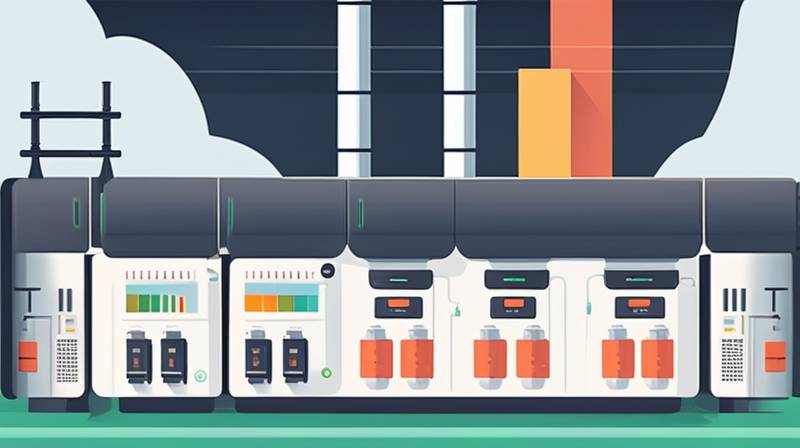
The conversion efficiency of energy storage power stations pertains to the effectiveness with which these facilities convert and store energy for later use. 1. The conversion efficiency typically ranges between 70% and 90%, depending on the technology employed, 2. Energy storage systems can utilize various mediums, such as lithium-ion batteries, pumped hydro, or flywheels, each exhibiting different efficiency levels, 3. Improving conversion efficiency through technological advancements contributes significantly to the overall viability of renewable energy sources, and 4. Understanding inefficiencies related to losses during charging and discharging is crucial for optimizing performance. Focusing on lithium-ion technology, these systems showcase inherent advantages owing to their widespread use and advancements in material science, resulting in notable energy density and a lower loss rate when transitioning from kinetic to stored energy. Enhanced energy prices and the demand for electric vehicle infrastructure further underpin the importance of such efficiencies as they directly impact operational costs and sustainability goals.
1. UNDERSTANDING ENERGY STORAGE SYSTEMS
Grasping the intricacies of energy storage systems requires a deep dive into their myriad configurations and operational modalities. These units serve a pivotal role in modern power grids, effectively allowing for the balancing of supply and demand, especially in scenarios dominated by intermittent renewable energy sources like wind and solar.
Energy storage encompasses various technologies, each with unique characteristics. Lithium-ion batteries, for instance, are lauded for their high energy density and longevity, while pumped hydro storage remains the dominant choice for large-scale applications. The effectiveness of these systems hinges largely on conversion efficiency, which denotes the rate at which energy is transformed between forms. Every type of storage system has its performance metrics which dictate its efficiency and overall utility in the energy landscape.
The dynamics involved in energy conversion processes, such as the charge and discharge cycles, present opportunities and challenges. Diverse factors contribute to inefficiencies — from resistive heating in electrical systems to losses inherent in mechanical systems like pumped hydro. Understanding how these mechanisms interact serves to illuminate avenues for enhancing effectiveness and optimizing energy usage within the broader context of energy transitions.
2. TECHNOLOGICAL IMPACTS ON CONVERSION EFFICIENCY
Various technological innovations shape the conversion efficiency of energy storage power stations. Progress in battery chemistry, materials science, and system design plays an instrumental role in determining how effectively these energy systems operate. Advancements in lithium-ion batteries exemplify the impact of technology on operational capabilities. Innovations such as silicon anodes and solid-state electrolyte systems enhance energy density while simultaneously lowering the rate of degradation over numerous charge cycles.
Moreover, the integration of smart technology facilitates real-time monitoring and management of energy storage units, which can discern demand fluctuations and alter operational parameters accordingly. The implementation of advanced energy management systems (EMS) enables facilities to predict and respond to changes with greater agility, thereby ensuring optimal performance. Such technologies can proactively mitigate losses associated with inefficient charging methods, thus augmenting overall conversion efficiency.
In addition to battery technology, innovations in pumped hydro storage systems also contribute to better performance metrics. Enhancements such as variable-speed turbines and improved control systems not only bolster the efficiency of energy conversion processes but also support more effective integration with renewable energy sources. Systems that can respond swiftly to changes in energy input reduce conversion losses, highlighting the crucial intersection of technological advancement and operational efficiency.
3. CHALLENGES IN ACHIEVING HIGH CONVERSION EFFICIENCY
Despite the advancements in energy storage technologies, substantial hurdles remain in attaining peak conversion efficiency. Inherent losses during energy conversion processes are prevalent across various methods, ranging from chemical degradation in batteries to thermal losses in pumped hydro systems. Understanding and minimizing these losses is vital for operators striving for high efficiency.
The operational lifespan of energy storage systems introduces yet another layer of complexity. As systems age, their performance may degrade, leading to increased resistance and diminished storage capacity. Ensuring longevity while maximizing conversion efficiency necessitates careful management of operational parameters and regular maintenance. Moreover, environmental factors such as temperature and humidity can significantly affect performance, making appropriate design considerations essential.
Consumer expectations coupled with evolving energy regulatory frameworks also present challenges for energy storage facilities. The need to provide reliable, high-efficiency energy storage solutions that align with sustainability goals is critical. Consumers are increasingly demanding cleaner alternatives, and energy storage systems that showcase high conversion efficiency can bolster the adoption of renewables, pushing for greener energy solutions across markets.
4. FUTURE OUTLOOK FOR ENERGY STORAGE EFFICIENCY
The future of energy storage systems and their conversion efficiency depends heavily on ongoing research and development as well as the adoption of emerging technologies. Investment in next-generation materials and energy conversion mechanisms represents a critical area for future advancements. Post-lithium technologies, such as sodium-ion and solid-state batteries, show promise in enhancing operational efficiencies while reducing environmental impacts.
Additionally, evolving grid infrastructure and the rise of microgrids offer enrichment opportunities for energy storage systems. These developments may lead to localized energy storage solutions capable of providing immediate and efficient energy access. As communities shift toward decentralization, the role of energy storage in grid resilience will become increasingly crucial.
Accompanying these developments, global energy policies aiming to support renewable energy technology adoption will lead to significant investments in energy storage solutions. As storage technology becomes more advanced and economical, the collective effort toward maximizing conversion efficiency will enable broader access to reliable electricity. The enhancement of conversion efficiency is pivotal to leveraging renewables, ultimately shaping the future of energy storage.
5. EXPANDING ON EFFICIENCY METRICS AND BENEFITS
A comprehensive understanding of conversion efficiency extends beyond mere performance metrics; it encompasses both economic implications and broader environmental consequences. Analyzing efficiency quantitatively requires dissecting various metrics, such as round-trip efficiency (RTE) and capacity fade over time. RTE is calculated by comparing the total energy output against the total input over a complete cycle, detailing the effectiveness of energy conversion including losses incurred during the process.
Investing in energy storage systems with higher RTE translates to significant cost savings over time, especially in large-scale deployments. Facilities that efficiently store excess energy generated during peak production periods can reduce reliance on fossil fuel-based power sources, promoting sustainability. Moreover, by ensuring that renewable energy does not go to waste, enhanced conversion efficiency supports a more resilient energy infrastructure.
Broader implications of energy storage’s conversion efficiency also touch upon societal changes. As conversion efficiencies improve, there is potential for transformative effects on how societies consume and manage energy. Greater adoption of electric vehicles, for example, relies heavily on advancements in storage technologies and their efficiency levels. Ensuring a reliable, accessible support system for electric vehicle infrastructure demands ongoing enhancements in storage efficiency.
6. CONSIDERATIONS FOR REGULATORY POLICY
Policymaking surrounding energy storage technologies profoundly shapes conversion efficiency outcomes and market viability. Governments play a crucial role in establishing frameworks that incentivize the development of energy storage solutions with exceptional efficiency metrics. Carefully crafted policies can alleviate barriers to innovation, fostering competitive advantages for organizations focusing on enhancing conversion efficiencies.
Moreover, energy policies can promote research and investment in efficiency improvements by establishing standardized testing protocols and regulatory requirements. These initiatives can lead to an environment where organizations collaborate to disseminate information regarding best practices surrounding energy storage efficiency. Encouraging transparency in performance metrics helps industry participants to modify their technologies, ultimately resulting in better efficiency standards across the board.
As energy storage technology evolves, policymakers must consider the emerging challenges posed by new materials and innovative design paradigms. Balancing regulatory requirements with the need for experimentation and innovation is key for future developments focused on optimizing conversion efficiency.
7. LONG-TERM STRATEGIES FOR ENHANCING EFFICIENCY
Efficient energy storage systems must adopt long-term strategies that prioritize technological advancements and sustainability initiatives while concurrently addressing performance imperatives. Companies dedicated to enhancing conversion efficiency should invest in research that supports the discovery of novel materials and methodologies that minimize energy losses.
Pursuing circular economy principles can be an impactful strategy. Recovering materials from decommissioned batteries and reintroducing them into the manufacturing process reduces resource consumption while also minimizing waste. This approach not only bolsters conversion efficiency by ensuring that materials remain in circulation but promotes a more sustainable economy overall.
As globalization progresses, international collaboration on energy storage technologies can further expedite advancements in conversion efficiency. Cross-border partnerships enable regional players to exchange knowledge and resources, leading to groundbreaking innovations fueling energy storage systems worldwide. Such collaborative efforts are crucial for addressing collective energy challenges while ensuring sustainability goals remain achievable.
8. CONSIDERING ECONOMIC IMPACTS OF EFFICIENCY
Enhancing conversion efficiency generates considerable economic benefits across numerous sectors by lowering overall operational costs and stimulating industry growth. Organizations can capitalize on efficient energy storage solutions while equally harnessing lower energy prices, impacting other market segments that rely heavily on energy inputs.
Furthermore, increased efficiency plays a crucial role in driving job creation and economic development. The demand for skilled labor in research, manufacturing, and installation of advanced energy storage systems generates employment opportunities across communities. Economic incentives linked to energy storage investments will facilitate the transition to cleaner technologies and services, driving long-term growth and enhanced living standards.
Investors and stakeholders actively seeking out energy storage initiatives must recognize the potential value of conversion efficiency as a critical economic indicator. Basing financial decisions on efficiency metrics empowers stakeholders to engage in projects with promising returns. Emphasizing efficient energy storage is essential for meeting the overarching goal of a sustainable energy future.
COMMON QUESTIONS REGARDING ENERGY STORAGE EFFICIENCY
HOW DOES ENERGY STORAGE WORK?
Energy storage functions by capturing energy produced at one time for use at a later moment. Various technologies facilitate this process, including batteries, mechanical storage like flywheels, and thermal storage solutions. These systems convert energy into storable forms, such as potential energy in elevated water reservoirs or chemical energy in batteries, for later release. The efficiency with which these systems operate profoundly influences their overall viability and sustainability, determining how much energy is captured, retained, and usable for future needs.
WHAT ARE THE MAIN CHALLENGES IN EFFICIENCY?
Familiar hurdles in energy storage efficiency encompass material degradation, thermal losses, and resistive heating. Each technology presents unique challenges that affect how much energy can be effectively converted and utilized. For example, as batteries age, their internal chemistry can lead to capacity loss, while thermal regulation is vital for sustaining performance in various environments. Addressing these challenges requires continued research and adaptation by industry stakeholders committed to improving energy storage systems and their conversion capabilities.
HOW DOES EFFICIENCY AFFECT SUSTAINABILITY?
Conversion efficiency directly correlates with sustainability in energy storage practices. Higher efficiency enables more effective utilization of renewable energy sources, reducing reliance on fossil fuels. By minimizing waste through greater resource utilization, energy storage systems contribute to lowering carbon emissions and promoting a cleaner energy ecosystem. Enhanced efficiency promotes long-term sustainability by ensuring energy availability while supporting the global shift toward a low-carbon future.
The conversion efficiency of energy storage power stations serves as a crucial determinant of their effectiveness and overall viability within the modern energy landscape. Understanding the intricacies—encompassing loss factors, technological advancements, and operational challenges—profoundly influences how these systems are optimized for maximum performance. Elevated conversion efficiency not only enhances sustainability by allowing for the effective integration of renewable energy sources but also plays a critical role in economic growth, job creation, and long-term viability of energy storage technologies. The complex relationships between conversion processes, technological evolution, regulatory policies, and societal expectations create an extensive framework that shapes the future of energy storage. With concerted effort toward improving conversion efficiencies, the energy sector can stride confidently toward a more sustainable and resilient future, meeting the demands of an evolving landscape poised for growth and transformation.
Original article by NenPower, If reposted, please credit the source: https://nenpower.com/blog/what-is-the-conversion-efficiency-of-energy-storage-power-station/

