

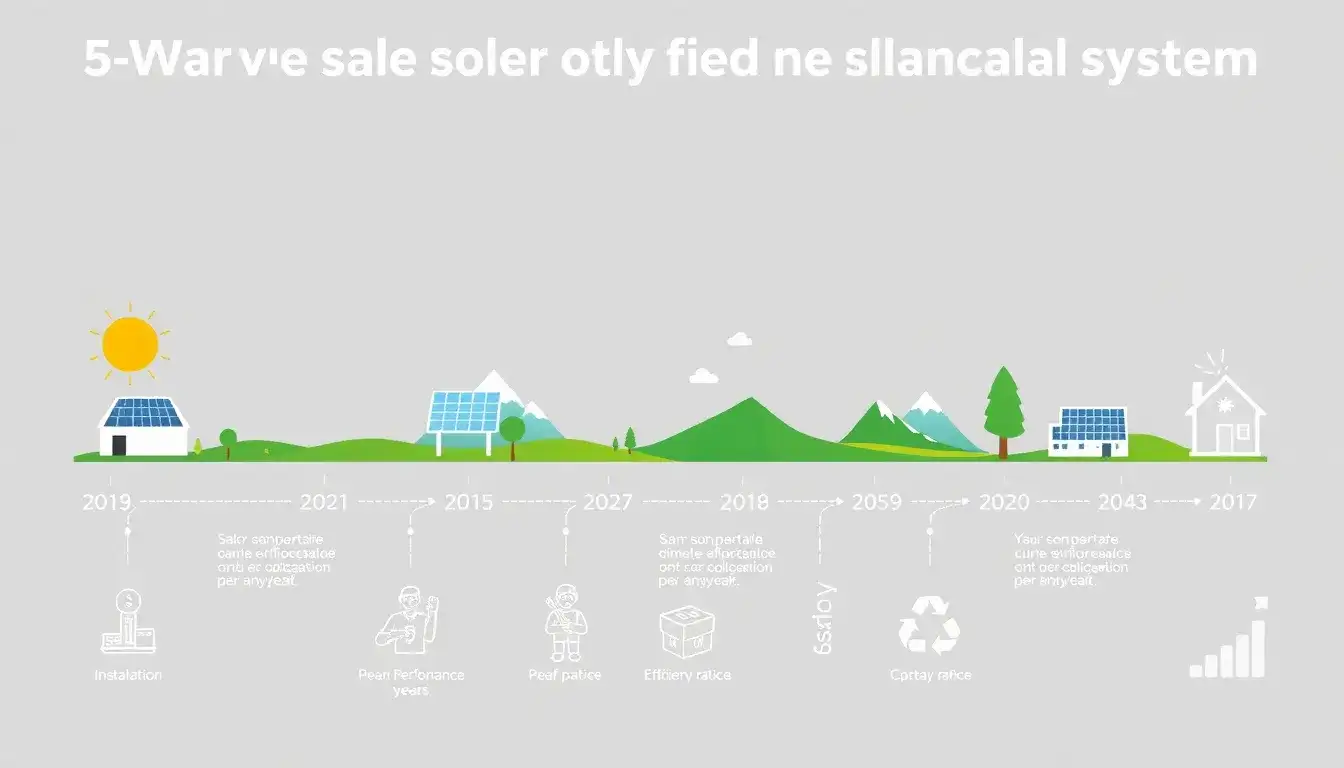
The average lifespan of a solar panel system is generally considered to be around 25 to 30 years. This is the period during which solar panels are typically at their most efficient and produce electricity at a level that justifies their replacement cost. Here are some key components and their lifespans:
- Solar Panels: They can last for about 25 to 30 years, with some lasting longer depending on quality and conditions. They degrade over time, typically at a rate of 0.5% to 1% per year.
- Solar Inverters: These usually last between 10 to 12 years and may need to be replaced at least once during the lifespan of the solar panels.
- Batteries: The lifespan varies based on type and usage. Lithium batteries generally last longer than lead acid batteries, offering around 6,000 to 10,000 charge cycles, while lead acid batteries provide about 1,500 to 3,000 cycles depending on maintenance and usage.
Overall, while the solar panels themselves can last 25 to 30 years, other components like inverters and batteries have shorter lifespans and may need replacement to maintain system efficiency.
Original article by NenPower, If reposted, please credit the source: https://nenpower.com/blog/what-is-the-average-lifespan-of-a-solar-panel-system/

