

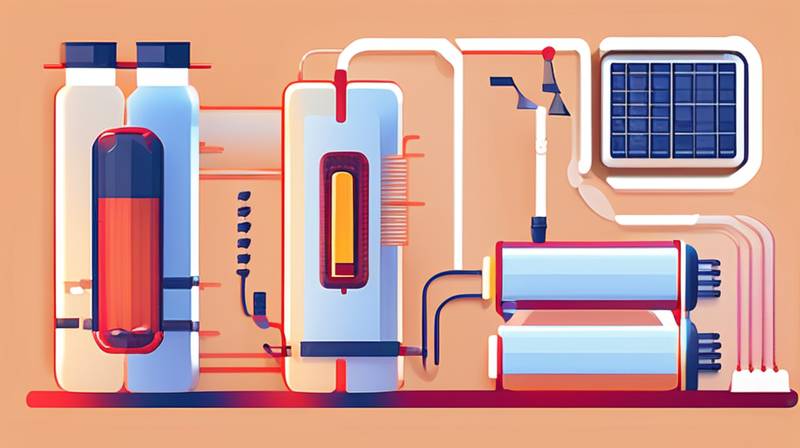
What is superconducting energy storage substrate?
Superconducting energy storage substrates are advanced materials that utilize the principles of superconductivity to store electrical energy efficiently. 1. These substrates enable the creation of systems that can maintain energy storage with minimal loss, with capacities significantly exceeding traditional storage mechanisms. 2. Their unique properties allow them to support rapid energy discharge and recharge cycles, making them suitable for applications requiring high power and short-duration energy storage. 3. By minimizing resistive losses, superconducting substrates enhance the overall efficiency of energy systems, providing a competitive edge in renewable energy integration and large-scale energy management. 4. Research is ongoing to improve the materials and systems that utilize these substrates, aiming to make them commercially viable for widespread use.
1. UNDERSTANDING SUPERCONDUCTIVITY
Superconductivity is a quantum mechanical phenomenon exhibited by certain materials, which allows them to conduct electricity without resistance when cooled below a specific temperature known as the critical temperature. In a superconducting state, materials demonstrate expulsion of magnetic fields (Meissner effect) and perfect conductivity, leading to the capability of sustained current flow without energy loss. These distinct characteristics make superconductors particularly appealing for innovative applications, including energy storage. Superconducting energy storage offers an efficient solution to what has long been a challenge in energy management: minimizing energy loss during storage and retrieval.
Traditional forms of energy storage, such as batteries and pumped hydro storage, face limitations regarding efficiency and longevity. Superconducting materials, by contrast, can store energy in the form of persistent currents flowing within a loop without losing energy, presenting a promising alternative. The efficacy of superconducting energy storage substrates plays a vital role in the broader context of energy systems, particularly as societies transition toward more renewable energy sources that need dynamic and reliable storage options.
2. MECHANISM OF ENERGY STORAGE
The operation of superconducting energy storage substrates hinges on the principles of magnetic flux trapping and energy conversion. When these materials are in the superconducting state, they can trap magnetic fields that correspond to the energy being stored. This trapped magnetic flux can be manipulated and managed, allowing systems to charge and discharge energy rapidly. The process begins with the establishment of a current within the superconducting loop. As the current flows, it creates a magnetic field and, upon cooling the material below its critical temperature, the energy remains effectively ‘locked’ within the material due to the superconducting state.
The efficiency with which superconductors can store and release energy positions them favorably compared to conventional storage systems. The reduction of resistive losses is crucial, especially when high energy density is needed, such as during peak power demands or in situations where energy retrieval must occur instantaneously. As technology advances, understanding and improving these mechanisms will play a crucial role in implementing superconducting systems more broadly across multiple sectors.
3. APPLICATIONS AND ADVANTAGES
Grappling with increasing demands for energy efficiency and reliable storage solutions, various sectors can benefit vastly from integrating superconducting energy storage substrates. Key applications include renewable energy systems, electrical grids, and even in transportation systems such as electric vehicles and maglev trains. In renewable energy, for example, superconducting substrates can stabilize the grid, storing excess energy generated during peak solar or wind production periods and releasing it when demand spikes or production drops.
Moreover, superconducting systems benefit from rapid discharge capabilities, making them suitable for applications needing quick bursts of power. This efficiency can support advancements in technologies such as artificial intelligence and data centers that require significant power. Beyond the electrical implications, the materials themselves can lead to reductions in physical footprint compared to bulky battery systems, enabling more efficient design and plant layouts in industrial contexts.
However, it is important to acknowledge some of the challenges faced by superconducting storage technologies. The requirements for cooling systems and the costs associated with procuring high-temperature superconductors must be considered in the feasibility analysis. Nevertheless, as research and development endeavors push the boundaries of material science, the potential for superconducting energy storage substrates remains significant.
4. CURRENT RESEARCH AND FUTURE DEVELOPMENTS
Continued exploration of superconducting materials and their properties is essential to foster the next wave of innovations in energy storage solutions. Researchers are actively investigating various types of superconductors, including high-temperature superconductors (HTS) and novel material compositions that enhance performance. The development of HTS can substantially reduce operational costs, as they can function at comparatively higher temperatures than traditional superconductors, leading to decreased cooling expenses.
Importantly, advancements in engineering and deployment methodologies will also play a significant part in the practical use of superconducting systems. Future superconducting storage solutions may involve hybrid systems that pair conventional batteries with superconducting substrates, thus enhancing hybrid storage capabilities. This hybridization could substantially improve the energy density and efficiency of current energy storage technologies while maintaining the rapid discharge capabilities intrinsic to superconducting substrates.
Moreover, the scalability of superconducting energy storage systems will become increasingly important as the world adopts more decentralized energy production models. Longer-term, the successful commercialization of such systems hinges not only on technological advancements but also on regulatory frameworks, market acceptance, and the creation of suitable supply chains. Policymakers and industry leaders must collaborate to foster an environment conducive to innovation in superconducting technologies.
5. ECONOMIC AND ENVIRONMENTAL IMPACT
The ramifications of adopting superconducting energy storage substrates extend well beyond technical considerations. The economic impact could be profound as greater efficiency leads to cost savings in energy transactions, reduced need for infrastructure upgrades, and possibilities for new business models in energy markets. Reduced energy loss translates to lower operational costs for energy providers, which can ultimately lead to decreased prices for consumers.
From an environmental perspective, these systems could significantly lower carbon emissions by optimizing the use of renewable energy sources. As industries strive to meet increasingly stringent environmental regulations, superconducting energy storage methods can facilitate the transition to cleaner energy sources and promote sustainable practices. Furthermore, any advancement in energy storage technology contributes to longer-lasting usage of existing resources by making them more reliable.
In summary, superconducting energy storage has the potential to revolutionize how energy is stored, distributed, and consumed. With ongoing research and investment in this field, a shift in energy paradigms could usher in new opportunities for sustainable growth.
FREQUENTLY ASKED QUESTIONS
WHAT ARE THE ADVANTAGES OF SUPERCONDUCTING ENERGY STORAGE?
Superconducting energy storage systems provide numerous advantages compared to traditional storage solutions. Primarily, these systems showcase minimal resistive losses, allowing them to store and retrieve energy more efficiently. They can also facilitate rapid discharge and recharge cycles, making them suitable for applications that require quick energy bursts. Furthermore, superconducting systems have a reduced physical footprint, allowing for better space management in installation sites. Additionally, the long lifespan and low maintenance requirements contribute to overall cost-effectiveness over time. These attributes position superconducting energy storage as a compelling alternative to conventional energy storage methods, particularly in environments demanding high efficiency and rapid response.
HOW DO SUPERCONDUCTING ENERGY STORAGE SYSTEMS IMPACT RENEWABLE ENERGY?
Superconducting energy storage systems can significantly enhance the integration of renewable energy sources into electrical grids. By addressing the inherent variability of renewables like solar and wind, superconducting technology allows for effective management of energy supply and demand. During periods of excessive energy production, superconducting systems can capture and store this energy for later use, reducing strain on the grid. Additionally, during peak demand, the rapid discharge capabilities of superconducting substrates provide an immediate source of energy. This capability is crucial for stabilizing the grid, ensuring that renewable assets contribute reliably to energy supply without causing fluctuations or instability. As countries aim to meet renewable energy targets, superconducting energy storage emerges as a vital tool in achieving those goals.
WHAT CHALLENGES DO SUPERCONDUCTING ENERGY STORAGE SYSTEMS FACE?
Despite the advantages, superconducting energy storage systems encounter several challenges that need addressing for widespread adoption. One major hurdle involves the cooling requirements necessary to maintain the superconducting state. This involves additional costs and infrastructure, particularly when utilizing low-temperature superconductors. Another challenge includes the material costs and availability of appropriate superconductors, which may limit the scalability of these systems. Furthermore, there exists the need for robust market frameworks and regulatory support to encourage investment in superconducting technologies. Overcoming these challenges necessitates continued research, innovation, and collaboration between industries, academic institutions, and governmental bodies to deliver effective solutions for the emerging energy landscape.
The ability of superconducting energy storage substrates to transform energy storage solutions cannot be overstated. These specialized materials leverage the unique properties of superconductivity to store energy with remarkable efficiency, minimizing energy losses and optimizing energy management strategies. Significant advantages include their capability to provide rapid energy discharge, making them ideal for applications that demand instant power availability. Through the process of research and development, advancements in material science and systems design will continue to emerge, enhancing the practicality and implementation of superconducting energy storage technologies in various sectors.
As the world grapples with energy challenges, superconducting energy storage stands out as a path toward sustainable solutions. Organizations striving for energy efficiency can leverage these advanced storage methods to align with renewable energy initiatives and contribute to reduced carbon emissions. The economic implications associated with enhanced efficiency, along with the potential for innovative applications across sectors, underscore the importance of prioritizing investments and policies that promote superconducting technologies. With a dedication to research and a commitment to practical implementation strategies, superconducting energy storage will likely become an integral component of the global energy infrastructure, supporting both technological advancements and environmental stewardship. Ultimately, bridging technological innovation and economic growth will ensure that superconducting energy storage substrates emerge as a cornerstone of future energy solutions.
Original article by NenPower, If reposted, please credit the source: https://nenpower.com/blog/what-is-superconducting-energy-storage-substrate/

