

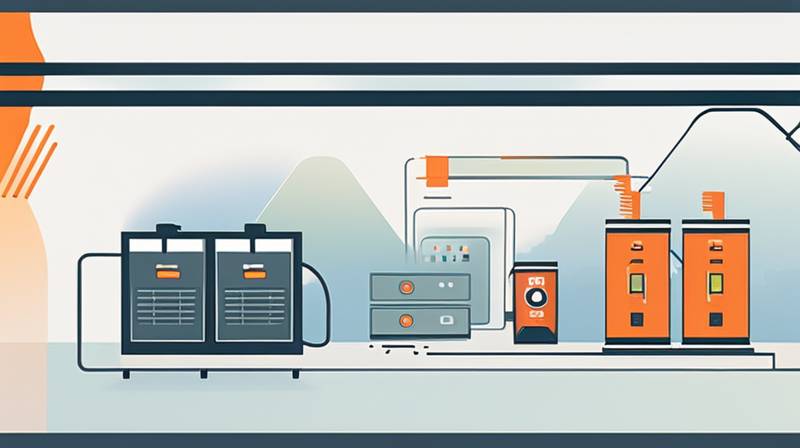
A power station energy storage equipment refers to systems and technologies used to store energy produced at power stations for later use. 1. These systems can store energy in various forms, including electrical, thermal, and mechanical energy, 2. They play an essential role in managing supply and demand, 3. Energy storage systems help stabilize the grid and improve energy reliability, 4. The technology enables the efficient integration of renewable energy sources, mitigating the intermittency of solar and wind power. The elaboration on one key point, energy storage systems helping stabilize the grid, can be significant, as they prevent overload situations and ensure that excess generation can be utilized rather than wasted. This function allows for a much more resilient and responsive energy infrastructure, ultimately leading to lower costs for consumers and reduced reliance on fossil fuels.
1. UNDERSTANDING ENERGY STORAGE EQUIPMENT
Energy storage systems are technological marvels that allow for the capture, retention, and later discharge of energy. They serve vital functions within a power station, especially in integrating renewable energies into existing grids. By storing excess energy produced during peak production times, these systems can deliver a stable energy output even when generation is low. This capability is particularly crucial for renewable energy sources, like wind and solar, whose output prices can fluctuate dramatically based on environmental conditions.
As energy demand continues to rise alongside the push for greener energy solutions, the reliance on storage equipment is predicted to increase significantly. By understanding how these systems operate, industry stakeholders can make informed decisions regarding the incorporation of such technologies into their energy portfolios. Moreover, advancements in technology continuously improve the efficiency and capacity of energy storage systems, making them a more viable long-term solution.
2. TYPES OF ENERGY STORAGE SYSTEMS
The landscape of energy storage technologies is diverse. Energy storage solutions can be categorized into various forms, broadly encompassing mechanical, electrochemical, thermal, and chemical systems. These categories reflect different operational principles, durability, costs, and scalability.
Mechanical storage systems, such as pumped hydroelectric storage and flywheels, utilize gravitational potential energy and kinetic energy, respectively, to store electricity. Pumped hydro storage, for instance, involves pumping water to a higher elevation during periods of low demand and releasing it to generate electricity during peak times, effectively providing grid resilience. Flywheels, on the other hand, store energy in the form of rotational kinetic energy, offering rapid response times, making them highly useful in balancing short-term fluctuations in power supply and demand.
Electrochemical systems, predominantly represented by batteries, are increasingly prevalent in today’s energy landscape. Batteries, especially lithium-ion, are favored for their high energy density and rapid discharge capabilities. This technology’s adaptability enables widespread application in everything from grid storage to electric vehicles. Meanwhile, thermal energy storage allows for the capture and retention of heat or cold for later use, serving applications where heat generation is less immediate but equally essential. Each of these systems has its strengths and suits different operational contexts and requirements.
3. IMPORTANCE IN GRIDS AND RENEWABLES
One of the principal functions of energy storage equipment is its role in balancing supply and demand in electrical grids. As renewable energy adoption increases, the capacity to store energy becomes paramount. Intermittent sources, such as wind and solar, produce energy only when conditions are favorable. Consequently, energy storage systems smooth out production disparities by releasing stored energy when generation is low.
Thus, energy storage allows utilities to manage peak loads effectively while utilizing clean energy. For instance, during weekends or nighttime when energy demand may decline, renewable energy plants can store excess energy generated during peak sunshine or wind periods instead of curbing generation. This solution maximizes the use of renewable sources and minimizes dependence on fossil fuels, leading to a more sustainable energy future. By mitigating the inherent variability of renewables, energy storage enhances grid reliability and contributes to long-term energy security.
4. ECONOMIC AND ENVIRONMENTAL IMPACTS
The economic implications of adopting energy storage systems are immense. Businesses and utilities that invest in these technologies can achieve cost savings through enhanced operational efficiency and reduced reliance on energy purchases from external sources. Moreover, the ability to store energy during off-peak hours and deploy it during peak demand translates directly into substantial financial benefits.
In terms of environmental impact, storing energy effectively reduces greenhouse gas emissions. By enabling higher penetration of renewables into the energy mix, energy storage plays a crucial part in combating climate change. Utilizing clean energy to its maximum potential not only conserves resources but also helps in achieving emission reduction targets set at both national and international levels. Furthermore, as energy storage technology evolves, the environmental footprint of these systems shrinks, contributing to the move toward a sustainable energy paradigm.
5. FUTURE OF ENERGY STORAGE SYSTEMS
Looking ahead, the trajectory of energy storage technologies appears promising. Continuous research and development efforts are expected to drive innovations in efficiency, capacity, and affordability. Emerging technologies, such as solid-state batteries, flow batteries, and other next-generation storage solutions, present opportunities to overcome current limitations in energy storage capacity, longevity, and safety.
With the anticipated expansion of renewable energy infrastructure globally, energy storage systems will likely become integral components of energy transition strategies. Their ability to facilitate and optimize the integration of various energy sources positions them as vital assets in modern grid architectures. Policymakers and industry leaders must reinvest in these technologies to foster a robust energy ecosystem that prioritizes resilience, efficiency, and sustainability. By fostering collaboration across sectors, stakeholders can ensure a collective movement toward cleaner, more reliable energy solutions.
FREQUENTLY ASKED QUESTIONS
WHAT ARE THE BENEFITS OF ENERGY STORAGE SYSTEMS?
Energy storage systems offer several advantages, particularly in enhancing grid reliability and promoting use of renewable energy sources. Primarily, these systems enable utilities to manage energy supply and demand more effectively, allowing for the storing of excess energy produced during periods of high generation and releasing it during periods of high demand. This capability helps to stabilize the grid and prevent outages, particularly during peak usage times.
Additionally, by integrating a larger share of renewable energy into the grid, energy storage systems contribute to reducing dependency on fossil fuels, ultimately leading to lower greenhouse gas emissions. The economic benefits are also noteworthy; businesses and regions utilizing storage systems can achieve cost savings through enhanced operational efficiencies and reduced energy costs. Furthermore, advancements in storage technology continuously improve performance characteristics, enabling increasingly widespread adoption. This trend is likely to yield both ecological and economic advantages as the global community transitions toward more sustainable energy practices.
HOW DOES ENERGY STORAGE HELP WITH RENEWABLE ENERGY INTEGRATION?
Energy storage plays a crucial role in the successful integration of renewable energy sources into existing power systems. One of the significant challenges associated with renewable sources, such as solar and wind, is their intermittency; production does not consistently align with demand. Energy storage systems address this challenge by capturing excess energy generated during periods of high production and making it available when generation is low.
For example, during sunny days, solar farms can produce an abundance of electricity that may exceed grid demand. Instead of wasting this generation, it can be stored for use later, when sunlight is not available. In essence, energy storage enables utilities to maintain a consistent energy supply, minimizing fluctuations in resource availability. This capability not only reduces reliance on fossil fuel-based backup generation but also facilitates a smoother transition to a more sustainable energy landscape. Furthermore, energy storage also assists in frequency regulation, thus helping maintain stability within the grid.
WHAT ARE THE CHALLENGES OF ENERGY STORAGE TECHNOLOGIES?
Despite the numerous advantages of energy storage systems, several challenges persist that can hinder their widespread adoption. Cost is a prevalent concern, as the initial capital required for advanced energy storage technologies may be substantial, making it challenging for smaller entities or developing countries to invest. However, as technology continues to advance and economies of scale are achieved, costs are expected to decrease over time.
Additionally, various energy storage technologies come with their own sets of limitations related to cycle life, efficiency, and environmental impact. For instance, some batteries may degrade over time, leading to a reduced lifespan and capacity for energy retention. There are ongoing discussions around the sustainable sourcing of materials used in batteries, particularly lithium and cobalt, which raise environmental and ethical concerns. Therefore, stakeholders are investing in research to develop more sustainable technologies while simultaneously improving existing systems. Addressing these challenges will be critical for maximizing the potential of energy storage deployment in the clean energy transition.
In summary, power station energy storage equipment constitutes a pivotal element in the modern energy ecosystem. As the world shifts toward sustainable energy solutions, understanding, optimizing, and implementing these systems becomes essential for creating reliable and resilient electrical grids. Given the increasing unpredictability of energy demand and supply caused by the rise of non-fossil fuel sources, these technologies provide a feasible solution. By properly leveraging various energy storage systems—mechanical, electrochemical, thermal, and beyond—societal dependence on non-renewable sources can diminish significantly, thus promoting energy independence and stability in the face of climatic challenges. Exploring innovative storage technologies continues to provide opportunities for enhancing the older grid infrastructures, ultimately paving the way for a dynamic and adaptive energy landscape. Inciting further investments and innovations can bolster the deployment of energy storage systems, transforming them into an indispensable feature of a sustainable future.
Original article by NenPower, If reposted, please credit the source: https://nenpower.com/blog/what-is-power-station-energy-storage-equipment/

