

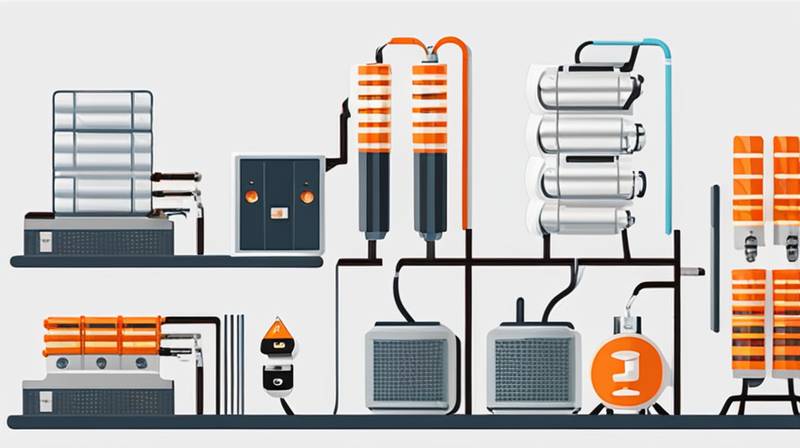
Industrial energy storage technology refers to innovative systems designed to store energy generated from various sources for use at a later time. 1. This technology aims to enhance the efficiency of energy consumption, 2. facilitate the integration of renewable energy sources, 3. reduce peak demand charges, 4. provide backup power during outages. One key aspect of industrial energy storage is its ability to balance supply and demand, thereby optimizing energy costs and ensuring reliability in energy availability. In a world increasingly seeking sustainable and efficient energy solutions, industrial energy storage systems play a pivotal role in transforming energy management across various sectors.
1. UNDERSTANDING INDUSTRIAL ENERGY STORAGE TECHNOLOGY
In the contemporary landscape, industrial energy storage technology represents a significant evolution in how organizations manage their energy needs. This sophisticated approach encompasses various storage solutions that enable businesses to store excess energy during off-peak periods, which can be utilized during high-demand moments. The principles of energy storage technology hinge on capturing energy, storing it safely, and releasing it when required.
Furthermore, many businesses are recognizing the necessity for reliable energy sources to support operational continuity. Industrial energy storage systems seek to provide this reliability and efficiency, asserting their importance in both traditional and renewable energy frameworks. As industries evolve towards more sustainable practices, understanding the mechanisms and advantages of energy storage becomes crucial.
2. TYPES OF INDUSTRIAL ENERGY STORAGE SYSTEMS
2.1 MECHANICAL STORAGE SYSTEMS
Mechanical energy storage systems include various technologies that leverage physical principles to store energy. One of the prevalent forms is pumped hydro storage, where water is pumped to a higher elevation during periods of low demand and released to generate electricity when needed. This method benefits from established technology and large-capacity potential, although its effectiveness depends on geographical factors.
Another mechanical storage option is compressed air energy storage (CAES), which involves compressing air in subterranean caverns during low energy consumption periods. This stored air is released to generate power during peak demand. By utilizing these mechanical systems, industries can achieve profound levels of energy management, contributing to their operational goals while minimizing costs.
2.2 ELECTRICAL STORAGE SOLUTIONS
Electrical energy storage options primarily revolve around battery technologies, such as lithium-ion, lead-acid, and flow batteries. These batteries store electrical energy and release it as needed, making them invaluable for various industrial applications. The rise of renewable energies, like solar and wind, necessitates effective energy storage solutions, which batteries can readily provide.
Moreover, advancements in battery technology continue to evolve rapidly, enhancing capacity, lifecycle, and efficiency. Industries adopting electrical storage solutions can optimize energy costs and harness the benefits of renewable resources effectively. Exploring the potential of various chemical and physical energy storage processes contributes significantly to advancing industrial energy management.
3. APPLICATIONS OF INDUSTRIAL ENERGY STORAGE
3.1 SUPPLY PEAK SHAVING
One fundamental application of industrial energy storage systems lies within the realm of supply peak shaving. Industries often face exorbitant costs during peak consumption periods, leading to elevated tariff rates. Energy storage systems help mitigate these expenses by storing energy during non-peak hours and releasing it during periods of high demand.
Implementing peak shaving strategies not only reduces costs but also enhances grid stability, contributing to lower emissions and reduced reliance on fossil fuels. By effectively managing energy usage during peak periods, industries can promote sustainability and economic efficiency simultaneously.
3.2 RENEWABLE ENERGY INTEGRATION
Renewable energy resources often produce variable energy outputs, making it challenging to align generation with consumption. Industrial energy storage technologies facilitate the seamless integration of these resources, allowing excess energy generated during peak production times to be stored for later use.
This ability to store renewable energy not only helps organizations achieve energy autonomy but also supports grid reliability by providing backup power when needed. As the demand for cleaner energy solutions continues to rise, the role of energy storage technology in promoting renewable integration becomes increasingly vital.
4. BENEFITS OF INDUSTRIAL ENERGY STORAGE
4.1 COST REDUCTION
With the rising costs of energy, businesses increasingly turn to industrial energy storage technologies to achieve significant cost reductions. Storing energy during off-peak hours allows organizations to utilize it during peak demand, thus avoiding expensive tariffs. This practice can lead to reduced energy bills and overall improved financial performance.
Beyond immediate savings, energy storage systems can also provide long-term benefits by ensuring energy price stability and protecting against volatility in energy pricing. Companies that strategically implement these systems are likely to see improved profitability and competitiveness.
4.2 ENHANCED RELIABILITY
Reliability is a critical concern for industries that depend on consistent energy supply for operations. Industrial energy storage systems offer manufacturers and service providers the ability to maintain operations during outages or disruptions in supply. By acting as a supplementary energy source, these systems provide peace of mind and protect against production losses and equipment damage.
Moreover, the implementation of energy storage systems contributes to a more resilient grid, allowing for flexible responses to fluctuations in energy supply and demand. As industries increasingly rely on stable energy sources, the contributions of energy storage technologies continue to grow in importance.
5. FUTURE TRENDS IN INDUSTRIAL ENERGY STORAGE
5.1 ADVANCEMENTS IN TECHNOLOGIES
As the global approach to energy evolves, so too does the technology behind industrial energy storage systems. Innovations in battery chemistry, energy management systems, and integration technologies are anticipated to enhance capabilities and efficiency. Research and development efforts are focused on increasing energy density, improving charge cycles, and reducing production costs.
These advancements will likely result in increased adoption across various industries. Consequently, organizations that stay ahead of technological trends can position themselves favorably in the increasingly competitive energy landscape.
5.2 REGULATORY AND POLICY CHANGES
In addition to technological advancements, regulatory changes are expected to shape the future of industrial energy storage. Governments worldwide are increasingly recognizing the importance of sustainable energy practices, prompting various incentive programs to encourage the implementation of energy storage solutions.
Policies that support renewable energy integration and that facilitate regulatory frameworks surrounding energy storage will greatly influence operational costs and investment in new technologies. Adaptability and proactive strategies in response to evolving regulations will determine future success within the industrial landscape.
QUESTIONS THAT FREQUENTLY ARISE
WHAT ARE THE KEY BENEFITS OF INDUSTRIAL ENERGY STORAGE TECHNOLOGY?
Industrial energy storage technology offers numerous advantages that can transform energy management for businesses. Cost savings is one of the foremost benefits; by storing energy during off-peak hours and utilizing it during peak periods, companies can significantly lower their energy costs. This practice minimizes reliance on high-rate energy during critical hours, ultimately promoting greater financial efficiency.
Beyond cost reduction, enhanced reliability stands out as another crucial benefit. Energy storage systems provide a buffer against power outages, ensuring that operations can continue seamlessly. This reliability is vital for industries that cannot afford downtime or interruptions, enabling them to maintain productivity and service standards.
Furthermore, integrating renewable energy resources becomes much more practical with energy storage solutions. By capturing excess energy generated during periods of peak production, businesses can utilize cleaner energy sources and contribute to sustainability goals. This integration not only aids in cutting emissions but also aligns companies with increasingly stringent environmental regulations, fostering a more responsible and forward-thinking operational ethos.
HOW DOES ENERGY STORAGE IMPACT SUSTAINABILITY?
The relationship between energy storage and sustainability is multifaceted, encompassing numerous influential factors. Firstly, by enabling the effective integration of renewable energy sources, energy storage systems stimulate a transition towards cleaner energy utilization. When organizations can store excess energy from wind and solar sources, they can minimize reliance on fossil fuels, leading to lower carbon emissions.
Secondly, energy storage systems support demand response capabilities. By managing energy consumption during peak times, these systems alleviate the need for additional power plants, which often burn fossil fuels. Consequently, this leads to a reduction in environmental impact, promoting a more sustainable energy framework overall.
Moreover, energy storage technologies also facilitate improvements in energy efficiency across various industries. By regulating usage patterns and optimizing performance, organizations can significantly decrease their energy demand and waste. As businesses continue to adopt sustainable practices, the necessity for robust energy storage solutions will remain paramount in creating a more environmentally conscious industrial landscape.
WHAT ROLE WILL TECHNOLOGY PLAY IN THE FUTURE OF ENERGY STORAGE?
Technology is poised to play a fundamental role in the progression of energy storage systems in the coming years. Emerging technologies will improve energy density in batteries, allowing for more substantial energy storage within a smaller footprint. This shift will enhance not only the feasibility of implementation but also broaden its accessibility across various industries.
Additionally, advancements in smart grid technology will augment the capabilities of energy storage systems. Enhanced energy management systems will facilitate real-time data analysis, enabling organizations to adapt their energy consumption behavior in accordance with grid conditions. Such intelligent systems will foster a more responsive energy infrastructure, ultimately leading to greater efficiency and sustainability.
Finally, further exploration into alternative storage mediums—such as thermal and gravitational energy storage—will continue to diversify the options available to industries, bolstering competition and innovation. As technologies evolve, industries that leverage these advancements will be better positioned to optimize their operations and contribute to overarching sustainability goals, shaping the future of energy management.
In essence, industrial energy storage technology represents a multifaceted domain that can revolutionize how industries engage with energy. By delving into the nuances of this system, organizations can unlock numerous benefits and drive significant advancements in operational efficiencies. The transformative potential of energy storage technologies is vast, underscoring their role in facilitating renewable energy integration, enhancing reliability, and reducing costs. This progressive technology contributes not only to individual businesses but also to broader efforts aimed at sustainability and environmental responsibility. Furthermore, the ongoing development of energy storage capabilities will undoubtedly lead to exciting innovations that will reshape the energy landscape. As industries navigate evolving regulatory environments and technological advancements, embracing energy storage solutions will be essential for those aiming to thrive in a competitive future while adhering to sustainability principles. By recognizing the importance of industrial energy storage technology and its wide-ranging applications, organizations can successfully position themselves as leaders in advancing energy efficiency and sustainability in the modern era.
Original article by NenPower, If reposted, please credit the source: https://nenpower.com/blog/what-is-industrial-energy-storage-technology/

