

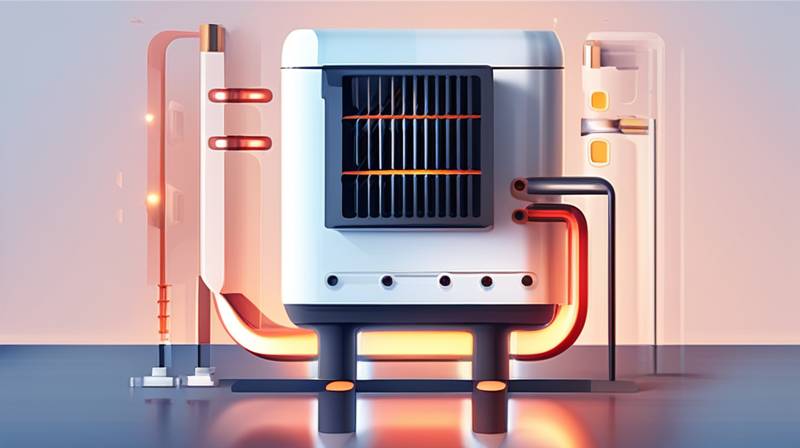
Heat pipe energy storage technology is an innovative system designed for the effective capture and storage of thermal energy. 1. Heat pipe technology employs a sealed system filled with a working fluid, 2. The phase change of this fluid allows for the efficient transfer of heat, 3. This method enhances energy storage capacity, 4. Applications include residential heating, industrial processes, and renewable energy integration.
Heat pipes function based on the principles of thermodynamics, efficiently transferring heat from one location to another. The technology is particularly valuable for energy storage because it can manage large amounts of thermal energy with minimal losses. In practical applications, heat pipes can be integrated with solar thermal systems, waste heat recovery systems, or even district heating applications. By employing phase change materials combined with the conductive properties of heat pipes, energy storage systems can effectively stabilize energy supply in fluctuating demand scenarios.
HEAT PIPE PRINCIPLES
The operation of heat pipe technology is predicated upon the principles of thermodynamic phase change. A heat pipe consists of a sealed container, often elongated in shape, which contains a small amount of liquid (working fluid). When heat is introduced at one end of the heat pipe, the liquid evaporates, creating vapor which travels along the pipe to a cooler region where it condenses back into a liquid. This cycle can repeat indefinitely as long as there is a heat source and a sink available.
Heat pipes can be made from various materials, including copper, aluminum, or specialized composites, depending on the intended application and temperature range. The thermal conductivity is significantly enhanced through careful design, often employing wicking materials inside the pipe to assist in the movement of the liquid back to the heated end. In this arrangement, heat is transferred not just through conduction but also through phase transition, making heat pipes remarkably efficient for energy storage.
KEY ADVANTAGES
A primary advantage of heat pipe energy storage technology is its high efficiency in transferring heat. Traditional thermal storage methods, such as water tanks or molten salt systems, can suffer from substantial thermal losses. In contrast, heat pipes minimize these losses by utilizing a low thermal resistance pathway, ensuring that stored energy can be utilized more effectively.
Furthermore, heat pipes respond rapidly to changes in temperature, allowing for dynamic energy storage. This characteristic is particularly beneficial in applications requiring fast thermal management, such as balancing supply and demand in energy grids. The rapid response capability opens avenues for innovations in various sectors, including manufacturing, where it can be pivotal in maintaining optimal operating conditions.
APPLICATIONS OF HEAT PIPE ENERGY STORAGE
Heat pipe energy storage technology has found utility across multiple fields, with notable implications in renewable energy applications. In solar thermal systems, solar collectors can harness sunlight, converting it into heat which is then stored in an accompanying heat pipe system. Here, water or another working fluid transfers the captured heat through the heat pipes, providing hot water on demand or generating steam for electricity.
Moreover, waste heat recovery in industrial sectors can greatly benefit from heat pipe technology. Many industrial processes produce excess heat, often wasted into the environment. By integrating heat pipe systems into industrial setups, businesses can capture this waste heat and repurpose it efficiently, significantly improving overall energy efficiency. Businesses aiming for sustainability and reduced carbon footprints can leverage these systems to bolster their energy practices.
CHALLENGES AND CONSIDERATIONS
Despite the numerous benefits, there are challenges associated with heat pipe energy storage technology. One significant aspect is the economic feasibility of implementation. The initial costs, especially for specialized materials and precise fabrication, can be prohibitive for some applications. Nonetheless, as technology advances, and manufacturing techniques become more streamlined, the deployment costs might decrease, promoting wider adoption.
Another consideration is the reliability and long-term performance of heat pipes. While heat pipes are generally robust, the effectiveness can diminish over time due to factors such as degradation of the working fluid or structural integrity issues arising from operating temperatures. Regular maintenance and careful monitoring of the systems are crucial to ensure optimal performance over extended periods.
- MARKET DEMAND AND FUTURE TRENDS
The market demand for heat pipe energy storage technology is anticipated to grow, driven by a global push towards renewable energy and energy efficiency initiatives. As governments implement stricter environmental regulations, businesses and industries are looking for alternatives to fossil fuels, sparking innovation in thermal energy systems.
Future trends may include the integration of heat pipe systems with other technologies, such as battery storage or grid management systems, enhancing their versatility and application scope. As research continues into advanced materials and design methodologies, heat pipe technology could become mainstream in both residential and industrial energy applications, reinforcing the progress toward sustainable energy solutions.
MATERIAL INNOVATIONS
Recent innovations in material science promise to enhance the effectiveness of heat pipe technology dramatically. Research into nanotechnology and advanced composites suggests that new materials can improve thermal conductivity while reducing weight and costs. The incorporation of smart materials that respond to external conditions can optimize thermal storage systems’ operational efficiency, providing better performance, particularly in renewable energy applications.
By investing in material research, the energy sector can realize the full potential of heat pipe energy storage, facilitating an evolution in how thermal energy is managed and utilized.
FREQUENTLY ASKED QUESTIONS
WHAT DOES A HEAT PIPE ENERGY STORAGE SYSTEM CONSIST OF?
A heat pipe energy storage system primarily includes a sealed pipe containing a working fluid suited for the operating temperature range. This system also involves heat exchangers that interface with the energy source and demand, allowing effective thermal energy transfer. The design can further incorporate insulation to minimize heat losses, ensuring maximum energy retention. Depending on application requirements, additional components may enhance performance, such as wicking structures within the pipe that facilitate fluid movement.
HOW DOES HEAT PIPE TECHNOLOGY COMPARE TO OTHER STORAGE OPTIONS?
When compared to traditional energy storage options such as molten salt or water tanks, heat pipe technology excels in thermal efficiency and speed. Traditional systems often suffer from higher thermal losses due to convection and conduction. In contrast, heat pipes capitalize on phase change phenomena, drastically reducing energy dissipation. This system can respond rapidly to energy supply and demand fluctuations, making it highly suitable for applications needing swift adjustments. While initial costs may be higher, long-term operational savings and energy efficiency can make heat pipes a compelling choice.
CAN HEAT PIPES BE USED IN HOUSEHOLD APPLICATIONS?
Absolutely, heat pipes are versatile and suitable for residential applications. Home heating systems can leverage this technology to effectively store solar energy for heating water or space heating. In areas where electricity costs fluctuate, integrating heat pipe systems can provide substantial savings by maximizing the use of renewable energy sources, reducing reliance on grid energy. Additionally, they contribute to sustainability efforts by lowering carbon footprints and promoting efficient energy usage in homes.
In summation, the exploration of heat pipe energy storage technology reveals its considerable potential across diverse applications. The efficiency of heat transfer, efficiency in managing thermal loads, and potential for integration with renewable energy systems collectively position this technology as a frontrunner in energy management. As organizations worldwide seek reliable, sustainable solutions for energy consumption and storage, the significance of heat pipe systems will only grow. The anticipated advancements in material science and engineering will further enhance the capacity and effectiveness of these systems, making them invaluable in the global energy landscape. Moreover, ongoing research initiatives aimed at reducing costs and improving performance are likely to contribute to increased adoption and relevance in both residential and industrial sectors. Thus, this advancement stands as an essential pillar in the transition toward more sustainable energy paradigms.
Original article by NenPower, If reposted, please credit the source: https://nenpower.com/blog/what-is-heat-pipe-energy-storage-technology/

