

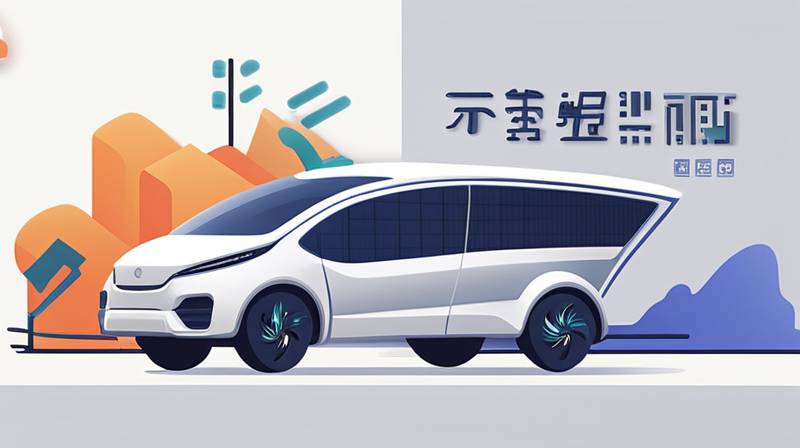
Guangdong Energy Storage Vehicles (ESVs) represent a significant advancement in the realm of sustainable transportation and energy management. 1. These vehicles utilize energy storage solutions to enhance efficiency and reduce reliance on traditional fuel sources, 2. They contribute to achieving environmental goals by minimizing carbon emissions, 3. ESVs are designed to integrate seamlessly with renewable energy sources such as solar and wind, 4. This integration leads to the creation of smart grids that optimize energy distribution and usage. In detail, the comprehensive framework of Guangdong ESVs includes innovative battery technologies that store power generated from renewable resources, allowing for flexibility in energy consumption. This capability is crucial in addressing the challenges posed by fluctuating energy demands and supply interruptions. The implementation of these vehicles not only promotes cleaner air and energy security but also fosters economic development by paving the way for new industries focused on green technologies.
1. UNDERSTANDING ENERGY STORAGE VEHICLES IN GUANGDONG
The concept of Energy Storage Vehicles is rooted in the necessity for sustainable energy solutions amidst rising environmental concerns. Guangdong province stands at the forefront of this initiative, leveraging technology and innovation. The increasing population and urbanization in Guangdong have escalated energy demands, necessitating the exploration of effective means to store and utilize energy. Energy Storage Vehicles embody this response, offering a transformative approach to transportation that aligns with governmental energy policies focusing on reducing reliance on fossil fuels.
The integration of energy storage technology within vehicles radically alters traditional paradigms. These vehicles can store excess energy generated, particularly from intermittent renewable sources, such as solar and wind. This capacity allows them not only to operate efficiently but also to contribute to the energy grid when needed. The flexibility inherent in these vehicles ensures that energy can be utilized when demand peaks, making them indispensable in a future-oriented energy landscape.
2. TECHNOLOGICAL INNOVATIONS IN ENERGY STORAGE
Both hardware and software innovations underpin the development of Energy Storage Vehicles. Battery technology is at the heart of these advancements, with lithium-ion batteries being a prominent choice due to their energy density and lifespan. Ongoing research into solid-state batteries and other next-generation energy storage systems continues to enhance performance metrics, such as charging speed and durability. The state of Guangdong is heavily investing in research and development, which catalyzes breakthroughs that promise to make energy storage more accessible and efficient.
Moreover, software plays a critical role in managing the energy flow within these vehicles. Advanced algorithms and artificial intelligence systems optimize energy consumption, predicting usage patterns and adjusting accordingly. Integration with vehicle-to-grid (V2G) technology enables bidirectional energy flow, allowing vehicles to not only draw energy from the grid but also return surplus energy, creating a dynamic context for energy usage and enhancing grid stability.
3. ENVIRONMENTAL IMPACTS OF ENERGY STORAGE VEHICLES
The adoption of Energy Storage Vehicles has far-reaching implications for environmental sustainability. One of the most significant advantages is the reduction of greenhouse gas emissions associated with transport. By utilizing electricity from clean energy sources, these vehicles drastically decrease the carbon footprint compared to conventional petrol or diesel engines. This reduction is crucial in combating climate change and improving air quality, especially in urban environments where pollution levels are notably high.
Additionally, the lifecycle of Energy Storage Vehicles presents opportunities to minimize waste. Innovations in battery recycling and the use of sustainable materials are being prioritized, aiming to reduce the ecological impact once vehicles reach the end of their operational life. The environmental benefits extend beyond the direct emissions cuts; the shift to renewable energy sources transforms energy production itself, driving up demand for green energy investments and subsequently leading to broader infrastructural changes towards sustainability.
4. ECONOMIC IMPLICATIONS AND CHALLENGES
The proliferation of Energy Storage Vehicles also brings considerable economic implications. Investments in this sector are poised to stimulate job creation across various industries, from battery production to renewable energy installations. As Guangdong positions itself as a leader in the green economy, the economic landscape is shifting towards sustainable innovation. Stakeholders see the potential for growth in electric vehicle manufacturing, charging infrastructure, and smart grid enhancements.
However, challenges remain in terms of infrastructure development and public acceptance. Adequate charging facilities must be established to facilitate widespread adoption, and overcoming consumer hesitancy remains paramount. Comprehensive education campaigns and incentives from the government could accelerate the shift toward these vehicles. Additionally, addressing the initial high costs associated with energy storage technologies is essential to ensure broader accessibility for both consumers and businesses.
ENERGY STORAGE VEHICLES IN GUANGDONG: FREQUENTLY ASKED QUESTIONS
WHAT MAKES ENERGY STORAGE VEHICLES DIFFERENT FROM TRADITIONAL VEHICLES?
Energy Storage Vehicles differ primarily in their energy utilization methods. Unlike traditional vehicles that rely solely on fossil fuels, ESVs harness electricity stored in advanced battery systems. This capability allows them to leverage renewable energy sources, contributing to reduced carbon emissions. The integration of technologies such as vehicle-to-grid connectivity enhances the efficiency of energy usage, enabling these vehicles to serve as both transport solutions and energy storage units.
HOW DOES THE INSTALLATION OF ENERGY STORAGE VEHICLES IMPACT THE GRID?
The installation of Energy Storage Vehicles positively impacts the electrical grid in various ways. These vehicles can supply excess stored energy back to the grid during peak demand times, optimizing load management. This bidirectional flow supports grid stability, especially as the penetration of intermittent renewable energy sources increases. ESVs act as distributed energy resources, allowing better integration of solar and wind energy, ultimately leading to a more resilient and reliable power distribution network.
WHAT ARE THE LONG-TERM BENEFITS OF ADOPTING ENERGY STORAGE VEHICLES?
The long-term benefits of adopting Energy Storage Vehicles encompass environmental, economic, and infrastructural dimensions. Environmentally, they contribute to significant reductions in greenhouse gas emissions, promoting cleaner air and a healthier planet. Economically, they stimulate growth in new sectors while fostering the innovation of cleaner technologies. Additionally, the establishment of robust infrastructure for ESVs can lead to advancements in smart grid technologies, paving the way for a comprehensive energy system that prioritizes sustainability and efficiency.
**The emergence of Guangdong Energy Storage Vehicles signifies a monumental stride towards a sustainable future. With deep-seated potential spanning environmental, technological, and economic realms, ESVs hold the key to revolutionizing transportation and energy interaction. The vehicles not only promise reduced emissions and environmental degradation but also bolster economic growth through new industries dedicated to green technology initiatives. As research and development continue, Guangdong stands poised to harness the full capabilities of energy storage in transportation, driving the region closer to energy independence and sustainability.
As market acceptance grows and governmental support catalyzes further advancements in infrastructure, Energy Storage Vehicles are likely to dominate future transport paradigms. This transition is accompanied by significant challenges, including the need for public education and the establishment of comprehensive energy networks to support ESV deployment. However, the long-term benefits—including improved air quality, reduced energy costs, and enhanced energy security—paint a promising picture of a sustainable and efficient transportation system for Guangdong and beyond. Ultimately, Energy Storage Vehicles embody more than just a technological innovation; they represent a fundamental shift in how society approaches energy consumption and environmental responsibility.**
Original article by NenPower, If reposted, please credit the source: https://nenpower.com/blog/what-is-guangdong-energy-storage-vehicle/

