

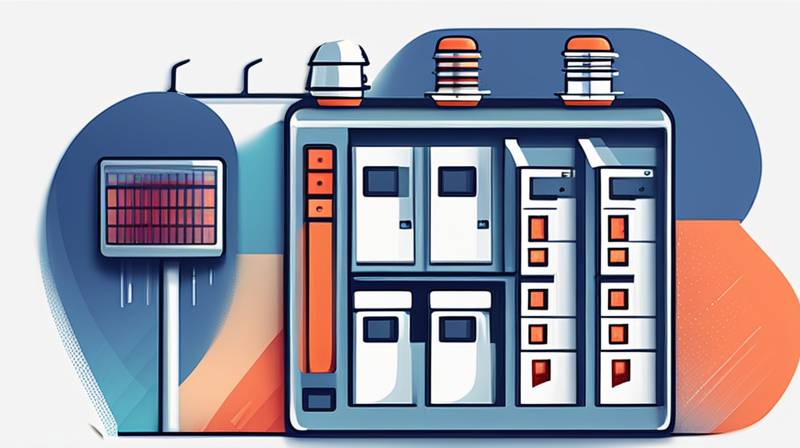
Energy storage construction encompasses the design, building, and deployment of systems that store energy for later use. 1. Energy storage involves technologies that enable the capture and retention of energy, 2. It is crucial for balancing supply and demand within power grids, 3. It plays a significant role in integrating renewable energy sources, 4. Innovative construction practices are essential for enhancing efficiency and sustainability. The significance of energy storage construction cannot be overstated, as it underlines the shift towards cleaner energy and resilient electricity supply systems. This intricate field blends engineering principles with environmental considerations, further illustrating its importance in our evolving energy landscape.
1. UNDERSTANDING ENERGY STORAGE AND ITS IMPORTANCE
Energy storage has emerged as a fundamental aspect of modern energy systems, especially with the rise of intermittent renewable sources like wind and solar. These technologies allow energy to be stored during periods of low demand and released when demand surges. This capacity to manage energy effectively is critical for maintaining grid stability. Energy storage systems come in various forms, including batteries, pumped hydro storage, and thermal storage.
The importance of energy storage construction extends beyond mere convenience. It significantly contributes to reducing greenhouse gas emissions by facilitating a greater use of renewables. By addressing the unpredictability of energy generation from sustainable sources, storage systems not only support environmental goals but also enhance energy security and reliability. Hence, energy storage construction is vital for continued progress towards a low-carbon future.
2. TYPES OF ENERGY STORAGE TECHNOLOGIES
Various technologies inhabit the realm of energy storage, each with unique characteristics, advantages, and challenges. Battery storage stands out as the most prominent solution, often classified into categories like lithium-ion, lead-acid, and flow batteries. Lithium-ion batteries have gained immense popularity due to their high energy density and efficiency. These batteries are commonly used in residential energy storage applications, as well as larger scale installations, such as utility energy storage systems.
In contrast, pumped hydro storage derives from a more traditional approach. This method involves pumping water to an elevated reservoir during low demand periods and releasing it during high demand. While it requires specific geographical locations and substantial capital investment, the efficiency and reliability of pumped hydro make it an attractive option for large-scale energy storage. Understanding the various forms of energy storage paints a picture of the dynamic approaches being employed to solve energy-related challenges.
3. ROLE OF ENERGY STORAGE IN RENEWABLE INTEGRATION
Integrating renewable energy sources into the power grid requires innovative solutions to accommodate variability and uncertainty inherent in their production. Energy storage serves as a bridge for this integration, facilitating the adoption of wind and solar technologies, which are often inconsistent in generation. By capturing surplus energy generated during peak production periods, storage systems ensure that this energy is readily available when production declines.
Moreover, storage systems play a pivotal role in grid resilience. They enable rapid response capabilities that help manage fluctuations in energy supply and demand efficiently. This flexibility is particularly important as utilities strive to maintain grid reliability amidst evolving energy landscapes. Consequently, energy storage solutions are indispensable in the transition to a more sustainable and diversified energy economy.
4. CHALLENGES IN ENERGY STORAGE CONSTRUCTION
Despite the potential advantages, energy storage construction faces several challenges that can inhibit its widespread adoption. Economic factors play a substantial role, as initial capital costs for establishing storage infrastructure can be significant. While many technologies, like lithium-ion batteries, have seen price reductions, the financial feasibility of installing extensive storage capabilities remains a pressing issue.
In addition to economic considerations, regulatory hurdles can add complexity to energy storage projects. Policies governing grid integration, incentives for renewable energy, and interconnection standards vary widely and can affect project viability. These challenges necessitate effective collaboration among stakeholders, including government agencies, utility providers, and construction firms, to streamline regulations and foster a conducive environment for energy storage development.
5. ENVIRONMENTAL IMPACTS OF ENERGY STORAGE
The environmental implications of energy storage construction warrant careful examination. On one hand, energy storage systems significantly contribute to lowering emissions by enabling greater penetration of renewables; however, the construction and disposal of storage technologies can pose environmental risks. For instance, mining and processing materials for batteries raise concerns regarding habitat disruption and pollution.
Moreover, the lifecycle of battery technologies must be considered, which includes disposing of or recycling used batteries. As the demand for energy storage grows, so does the need for disposing of these technologies responsibly. Innovative recycling processes present an opportunity to mitigate these impacts, emphasizing the importance of sustainable practices in energy storage construction.
6. ECONOMIC BENEFITS OF ENERGY STORAGE
Implementing energy storage construction leads to multiple economic benefits. These systems can enhance grid reliability, minimize energy costs, and foster job creation within the energy sector. By mitigating peak demand pressures, storage allows utilities to defer expensive infrastructure expansions, translating into significant cost savings for utilities and consumers alike.
Furthermore, energy storage systems can create new business models for energy markets. For instance, facilities equipped with energy storage capabilities can engage in arbitrage, buying power during low-cost periods and selling during times of high demand. This not only boosts revenues for developers but also contributes to establishing a more flexible and resilient energy market. Thus, energy storage construction yields far-reaching economic implications that extend beyond mere energy management.
7. FUTURE TRENDS IN ENERGY STORAGE CONSTRUCTION
As technology advances, the future of energy storage construction is poised for transformation. Researchers are exploring emerging materials, such as solid-state batteries, which offer improved safety and energy density compared to conventional batteries. Innovations in energy management systems are also anticipated, with smart grid technologies that integrate artificial intelligence and machine learning to enhance storage efficiency and reliability.
Moreover, the rise of decentralized energy systems is expected to amplify demand for localized energy storage solutions, such as community-based battery storage projects. These innovations signify a shift beyond traditional large-scale installations towards more adaptive and customizable storage strategies. By embracing these trends, energy storage construction can position itself as a cornerstone in the ongoing transition to sustainable energy systems.
8. GLOBAL ENERGY STORAGE INITIATIVES
Numerous global initiatives highlight the growing recognition of energy storage’s importance. Several countries have set specific targets for energy storage deployment as part of their national energy strategies. For instance, ambitious policies in place within Europe aim to triple the installed energy storage capacity over the next decade. Such initiatives not only catalyze investment in storage technologies but also promote collaboration across sectors.
Additionally, international organizations are championing knowledge-sharing and best practices to facilitate energy storage development. Initiatives from the International Renewable Energy Agency (IRENA) and similar entities emphasize the value of energy storage as a tool for enhancing energy transition objectives. By fostering cooperative frameworks, these programs support nations in overcoming shared challenges, thereby accelerating energy storage construction on a global scale.
WHAT TYPES OF ENERGY STORAGE TECHNOLOGIES ARE COMMONLY USED?
Multiple energy storage technologies exist, each serving distinct needs within various contexts. The most common types include:
- Battery storage: Particularly lithium-ion batteries dominate the residential and commercial sectors, thanks to their versatility and high energy density.
- Pumped hydro storage: This method utilizes gravitational potential energy to store large amounts of electricity, primarily for utility-scale applications.
-
Thermal energy storage: Often utilized in solar thermal systems, these systems store heat in materials such as molten salt for later use.
These technologies demonstrate the diversity of energy storage solutions available, each with respective pros and cons that affect their applicability in specific scenarios.
HOW DO ENERGY STORAGE SYSTEMS IMPACT GRID STABILITY?
Energy storage systems play a significant role in enhancing grid stability by providing a buffer against fluctuations in generation and consumption. When demand is low and supply exceeds it, energy storage systems can absorb excess energy and discharge it during peak demand periods, thus balancing the grid’s operation.
Furthermore, the rapid response capabilities of these systems allow for grid operators to maintain frequency and voltage stability, ensuring reliable electricity supply. This capability is essential in modern grid management, especially with the increasing integration of variable renewable energy sources, leading to better overall system performance.
WHAT ARE THE ENVIRONMENTAL CONCERNS REGARDING ENERGY STORAGE?
While energy storage can facilitate greater adoption of renewables and contribute to emissions reductions, it poses environmental challenges. Production processes for batteries often employ hazardous materials, raising concerns related to mining practices and waste disposal. Additionally, questions surrounding the lifecycle management of used batteries remain significant.
Efforts to implement sustainable practices, such as recycling programs and responsible sourcing of materials, are crucial in mitigating these environmental impacts. Understanding and addressing these concerns ensures that energy storage construction aligns with broader environmental objectives and sustainable development goals.
The importance of energy storage construction is profound, as it intersects with fundamental aspects of energy production, distribution, and consumption. This discipline not only enables greater integration of renewable energy sources into the existing grid but also offers numerous economic and environmental advantages. By understanding the various technologies available, challenges involved, and future trends, stakeholders can better navigate the complexities that characterize energy storage systems. As the transition towards cleaner and more resilient energy systems continues to accelerate, energy storage construction will play an increasingly prominent role in shaping our energy infrastructure. Consequently, investing in innovative storage solutions enhances utility operations and supports broader sustainability goals, positioning energy storage as a critical component in the quest for a low-carbon future. Through collaboration, research, and innovation, stakeholders can address the multifaceted challenges posed by energy storage construction, ultimately ensuring its viability and success in the foreseeable future.
Original article by NenPower, If reposted, please credit the source: https://nenpower.com/blog/what-is-energy-storage-construction/

