

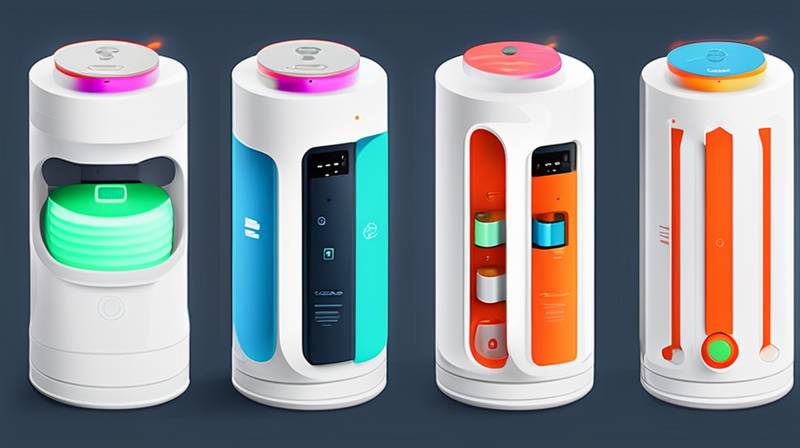
Answering the question, a BYD energy storage device is an innovative solution designed for the efficient storage and management of electrical energy, catering to various applications such as residential, commercial, and grid-scale power systems. 1. **These devices facilitate increased energy independence by allowing users to store surplus electricity generated from renewable sources, like solar or wind, for future use. 2. **They contribute to grid stability by optimizing energy distribution and minimizing demand charges, thereby enhancing overall system efficiency. 3. **BYD energy storage systems employ cutting-edge lithium iron phosphate technology, known for its safety, longevity, and environmental advantages. 4. **The integration of smart management software enables real-time monitoring and control, allowing users to make informed decisions about their energy usage.
1. OVERVIEW OF BYD ENERGY STORAGE DEVICES
BYD Company Limited, a prominent player in the renewable energy sector, has established a strong reputation for its innovative energy storage solutions. The company’s foray into energy storage devices is anchored in a commitment to sustainability and efficiency. The growing global demand for renewable energy has resulted in advancements in energy storage technologies, propelling BYD’s expansion. Energy storage systems are integral components that facilitate the transition towards a decentralized power grid, allowing for enhanced resilience.
The BYD energy storage apparatus plays a pivotal role in harnessing renewable energy. As more households and businesses adopt solar panels and other renewable technologies, the need for efficient energy storage becomes critical. Thus, BYD’s solutions provide the necessary infrastructure to capture and store energy when it is plentiful and distribute it when demand peaks, thereby offering substantial savings on utility bills.
2. TECHNOLOGY BEHIND BYD ENERGY STORAGE
BYD has invested heavily in research and development to create sophisticated energy storage solutions that leverage cutting-edge technologies. One key aspect is the utilization of lithium iron phosphate (LiFePO4) batteries. This technology is known for its safety, thermal stability, and longevity, making it a prime choice for various applications. Traditional lithium-ion batteries, while common, often face issues related to overheating and safety.
In contrast, lithium iron phosphate batteries offer enhanced durability and extend the lifespan of the storage device, often exceeding 5,000 charge cycles. This characteristic substantially reduces the overall cost of ownership, as users can rely on the system for a more extended period before replacement is needed. The efficiency of energy conversion and the ability to discharge at high rates without compromising safety make BYD’s storage systems particularly attractive for both commercial and residential applications.
3. APPLICATIONS OF BYD ENERGY STORAGE SYSTEMS
The versatility of BYD energy storage devices allows for deployment across various sectors, from residential homes to large-scale industrial applications. In residential settings, these devices enable homeowners to store excess electricity generated from solar panels, thereby achieving energy autonomy and reducing dependency on the grid. Families can optimize their energy consumption by utilizing stored energy during peak hours when electricity costs are at their highest.
Commercial applications are equally compelling. Businesses can leverage BYD’s energy storage solutions for peak shaving, demand response, and energy management systems. By storing energy during low demand periods, industries can draw from their stored reserves during peak usage times. This strategy not only minimizes high electricity costs but also contributes to a sustained reduction in carbon footprints, aligning with global sustainability goals. Additionally, BYD’s technology is instrumental in supporting electric vehicle (EV) infrastructure by providing fast charging capabilities and grid support if integrated into a larger ecosystem.
4. BENEFITS OF USING BYD ENERGY STORAGE DEVICES
BYD energy storage solutions come with numerous advantages that appeal to both individual users and commercial entities. One significant benefit is the enhanced energy efficiency. By storing excess power, users can reduce the amount of electricity drawn from the grid and subsequently lower monthly energy costs. This reduction in consumption also leads to decreased greenhouse gas emissions, particularly when the energy source is renewable.
Moreover, the resilience provided by BYD storage systems is invaluable during power outages. When the grid fails, having a backup stored energy supply can maintain essential services and operations without disruption. This reliability in times of crisis underlines the importance of integrating energy storage into broader energy management strategies. Furthermore, BYD devices are designed with a comprehensive monitoring system that offers real-time data and insights, empowering users to optimize energy consumption based on actual usage patterns and predictions.
5. FINANCIAL ASPECTS OF BYD ENERGY STORAGE
Investing in BYD energy storage solutions often involves substantial upfront costs; however, the long-term financial benefits can be significant. Initially, users may hesitate due to the initial capital required, but various financing options, incentives, and subsidies often alleviate this burden. Moreover, energy storage can significantly reduce electricity expenses by allowing users to avoid peak-demand charges.
In many regions, utilities offer incentives to consumers who adopt energy storage systems, acknowledging their contribution to grid stability. Additionally, users can participate in demand response programs that reward them financially for reducing consumption during peak times. This symbiotic relationship between energy storage users and utilities ultimately leads to a sustainable model that benefits all parties involved.
6. REGULATORY FRAMEWORK AND MARKET TRENDS
The regulatory landscape surrounding energy storage is rapidly evolving. Governments worldwide are progressively recognizing the necessity of battery storage in their policies to facilitate a transition toward clean energy systems. Incentives such as tax credits and rebates significantly influence the adoption rates and market penetration of energy storage technology.
Market trends suggest that BYD is poised to expand further, particularly in emerging economies. As the demand for renewable energy escalates, countries are increasingly looking for solutions to integrate renewable sources effectively. BYD’s adaptability and resilience, reinforced by its reputation for quality, position the company favorably in upcoming markets. As more consumers and industries become aware of the environmental and financial implications of energy storage, BYD likely stands to benefit significantly from this growing awareness.
FREQUENTLY ASKED QUESTIONS
WHAT ARE THE MAIN FEATURES OF BYD ENERGY STORAGE DEVICES?
BYD energy storage systems boast a range of features that enhance their functionality and appeal. A primary feature is the use of lithium iron phosphate batteries, providing a high level of safety and stability compared to traditional lithium-ion technologies. This safety translates to lower fire risks and increased durability, ensuring longer life spans for the products. Users also benefit from advanced energy management systems that allow for real-time monitoring and performance insights, enabling them to optimize their energy consumption based on usage patterns. Furthermore, the device’s compatibility with multiple renewable energy sources—from residential solar systems to wind farms—expands its usability across various applications.
Another critical attribute is the scalability of these storage systems. By adapting to the energy requirements of individual users or larger installations, BYD devices cater to diverse sectors, including residential, commercial, and industrial clients. This scalability means users can start with what suits their immediate needs and expand the system as requirements grow. With such comprehensive features, BYD energy storage systems position themselves as a leader in the renewable energy storage market.
HOW DOES BYD ENERGY STORAGE CONTRIBUTE TO SUSTAINABILITY?
BYD’s energy storage devices play a crucial role in promoting sustainability. By facilitating the efficient storage of renewable energy, these systems enable users to maximize their use of clean energy sources. For instance, a household equipped with solar panels can store surplus energy generated during the day and utilize it at night, significantly reducing reliance on fossil-fuel-based electricity. This not only helps in decreasing carbon emissions but also supports the broader goal of transitioning towards a more sustainable energy landscape.
In addition, integrated energy storage systems contribute to grid stability. By leveling the demand-supply curve, they help reduce the strain on electrical grids, especially during peak times. This optimal energy flow minimizes the need for additional fossil fuel power plants, promoting the use of clean energy. Furthermore, as economies worldwide push for net-zero targets, initiatives that encourage the adoption of technologies like BYD’s energy storage systems are essential to achieving those goals efficiently and effectively.
WHAT IS THE EXPECTED LIFESPAN OF BYD ENERGY STORAGE SYSTEMS?
The expected lifespan of BYD energy storage devices is significantly influenced by the underlying battery technology used in their design. BYD employs lithium iron phosphate batteries, recognized for their durability and reliability. Typically, these batteries can extend beyond 5,000 charge cycles, offering users a lifespan of approximately 10 to 15 years, depending on usage and maintenance conditions. This longevity is a critical aspect when considering the total cost of ownership, as users will spend less on replacements over time compared to systems that utilize less durable battery technologies.
Moreover, advancements in battery management systems within BYD’s devices help to maximize battery health, thereby extending operational life. These management systems regulate charging and discharging cycles to prevent overcharging, which can negatively impact battery life. With regular monitoring and maintenance, users can expect their BYD energy storage systems to perform optimally for over a decade, making them a viable long-term investment in energy management and sustainability.
Significant Attention to BYD Energy Storage Devices
BYD energy storage solutions represent transformative technologies that significantly enhance energy efficiency, sustainability, and grid resilience. By enabling users to effectively store excess energy generated from renewable sources, these devices empower individuals, businesses, and communities to exercise greater control over their energy consumption and costs. The incorporation of advanced lithium iron phosphate technology ensures not only durability but also safety, reducing the overall risks associated with energy storage.
With applications spanning various sectors, the adaptability of these devices is crucial in facilitating the global transition toward clean energy. The financial dynamics surrounding BYD energy storage highlight the initial investment’s long-term returns, positioning these devices as indispensable tools in an energy-conscious economy. As regulatory frameworks become more favorable, BYD stands to benefit from increasing market demand for efficient, sustainable energy solutions.
As the world pivots toward a future driven by renewable energy, BYD energy storage systems align with these goals, championing environmental stewardship while promising significant benefits for users. Thus, delving into BYD’s innovative contributions keeps stakeholders informed and empowered to engage effectively in the evolving energy landscape.
Original article by NenPower, If reposted, please credit the source: https://nenpower.com/blog/what-is-byd-energy-storage-device/

