

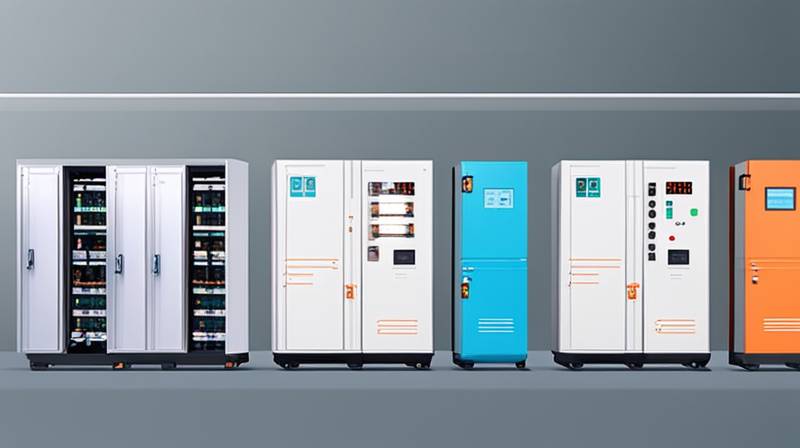
An industrial and commercial energy storage cabinet is a specialized device designed to store energy for future use within a commercial or industrial setting. 1. These cabinets enhance energy efficiency by storing surplus power generated during periods of low demand or from renewable sources, like solar or wind, 2. They support peak shaving and load shifting initiatives, allowing businesses to manage energy costs effectively, 3. They often come equipped with advanced technologies for monitoring and managing energy storage and usage, 4. These cabinets contribute to enhanced energy reliability, enabling businesses to maintain operations during power outages or fluctuations in energy supply.
1. INTRODUCTION TO ENERGY STORAGE CABINETS
Energy storage cabinets have emerged as critical components in the pursuit of energy efficiency and sustainability, particularly in industrial and commercial environments. Their primary purpose revolves around the capability to store and later distribute energy as needed, which addresses several modern challenges businesses face, including fluctuating energy costs and supply uncertainties.
In essence, these cabinets act as a bridge between energy generation and consumption. By utilizing energy storage systems, organizations can effectively buffer against dynamic energy pricing and enhance operational resilience. The integration of these storage solutions becomes vital as industries worldwide push for greener alternatives and grid independence.
2. FUNCTIONALITY AND TECHNOLOGY
Energy storage cabinets showcase a diverse range of functionalities, heavily relying on advanced technologies that dictate their efficiency and effectiveness. The essence of their operation hinges on both chemical and physical storage methods. Battery technologies, such as lithium-ion and flow batteries, are prevalent choices due to their high energy density and efficiency. These systems convert electrical energy into chemical energy and store it for later use, offering versatility for various applications.
In conjunction with batteries, mechanical energy storage solutions, like flywheels and compressed air systems, also offer unique advantages. These systems are adept at releasing energy rapidly, making them suitable for applications demanding instantaneous energy delivery. By leveraging such varying technologies, energy storage cabinets can cater to specific demands across different sectors, thereby solidifying their role in energy management.
3. STRATEGIC IMPORTANCE IN INDUSTRIES
In today’s competitive business landscape, energy management is crucial for operational success. Adopting energy storage cabinets represents a strategic move for organizations aiming to optimize their energy consumption and minimize costs. By storing excess energy during off-peak periods, businesses can significantly reduce their reliance on grid power during peak pricing times, which can lead to substantial savings.
Moreover, as regulations around energy usage become more stringent, organizations may leverage these cabinets to meet compliance requirements without sacrificing operational efficiency. Industries, such as manufacturing and logistics, can capitalize on the storage of renewable energy, potentially becoming leaders in sustainability efforts within their respective sectors.
4. RENEWABLE ENERGY INTEGRATION
The rise in renewable energy sources has directly influenced the increased adoption of energy storage technologies. Industrial and commercial energy storage cabinets facilitate the integration of solar and wind power, allowing businesses to harness energy generated during peak production times and use it when demand rises. This capability is particularly beneficial for regions or companies that experience inconsistencies in energy supply due to environmental factors.
Furthermore, energy storage cabinets offer a solution to the intermittent nature of renewable energy. By storing energy generated during optimal weather conditions, businesses can ensure a continuous supply, effectively smoothing out the availability of renewable energy, which can be critical for operational uptime.
5. ENVIRONMENTAL IMPACT
The incorporation of energy storage cabinets presents substantial environmental benefits. By reducing reliance on fossil fuels and enabling a transition towards renewables, these storage systems play a pivotal role in minimizing greenhouse gas emissions. Such a transformation aligns with global sustainability goals and helps organizations mitigate their carbon footprint.
Organizations that utilize energy storage cabinets are often viewed favorably by consumers and stakeholders alike. This demonstrates a commitment to environmental responsibility, which can enhance brand reputation and consumer trust. As awareness around climate change grows, this aspect becomes increasingly significant in defining business practices.
6. ECONOMIC BENEFITS
The economic implications of deploying energy storage cabinets are profound. By utilizing stored energy optimally, organizations can better manage their operational expenditures. Cost savings arise not just from reduced energy bills, but also from potential incentives and rebates associated with implementing energy-efficient technologies.
Additionally, the potential for energy trading can also emerge—organizations equipped with energy storage cabinets may sell excess stored energy back to the grid, thus generating additional revenue streams. This not only enhances company profitability but also contributes to a robust energy economy, yielding benefits for both providers and consumers alike.
7. CHALLENGES IN IMPLEMENTATION
Despite the multitude of advantages, organizations may encounter several challenges when implementing industrial and commercial energy storage cabinets. High upfront costs can deter investment, as organizations weigh the return on investment against other immediate financial needs. Furthermore, the complexity of integrating these cabinets into existing energy infrastructures may necessitate specialized knowledge and expertise, potentially leading to increased operational hurdles.
Supply chain issues related to acquiring components, particularly for battery storage systems, may also present delays. Enterprises must navigate these obstacles while remaining informed about advancements in energy storage technology. Regularly evaluating market trends is essential to ensure a timely response to evolving energy management strategies.
8. FUTURE TRENDS
Looking ahead, the energy storage sector is poised for continued evolution. Advancements in technology, particularly regarding battery efficiency and lifespan, are expected to enhance the value proposition of energy storage cabinets. With innovations, such as solid-state batteries and enhanced recycling processes, the next generation of storage solutions may witness significant improvements in performance and sustainability.
Moreover, as smart technologies become integral to energy management, the integration of the Internet of Things (IoT) will revamp how businesses monitor and manage energy use. Real-time data analytics can inform energy consumption patterns, allowing for proactive decision-making that can lead to further optimization of storage practices.
9. REGULATORY LANDSCAPE
The regulatory environment surrounding energy storage technology is rapidly evolving. Many governments provide incentives to promote the adoption of energy storage systems, which can offset initial costs and encourage wider usage. Staying updated with these regulations not only informs best practices but also assists businesses in future-proofing their operations against changing energy policies.
Companies that embrace such changes may find themselves at a distinct advantage, especially as competition increases within renewable energy sectors. Proactively aligning business strategies with regulatory frameworks can lead to enhanced operational effectiveness and greater acceptance within the industry.
10. CONCLUDING THOUGHTS
Industrial and commercial energy storage cabinets serve as a vital instrument for modern businesses aiming to navigate the complexities of energy consumption and management. Their multifunctional capabilities position them uniquely within the landscape of sustainable practices, offering both economic advantages and a pathway toward greener operations. By embracing these advanced technologies, organizations can optimize their energy strategies, weather fluctuations in energy supply, and harness the full potential of renewable energy sources.
Understanding the synergistic relationship between energy generation and consumption is paramount for businesses that seek a competitive advantage in a rapidly evolving market. The strategic implementation of energy storage solutions contributes to operational resilience, economic viability, and sustainable growth. As technological advancements continue to shape the energy landscape, organizations must remain agile and informed, ready to adapt to new opportunities and challenges that lie ahead.
In sum, energy storage cabinets signify not just a shift in how organizations utilize energy, but also embody a broader pivot towards innovative, sustainable practices that resonate with today’s ecological and economic imperatives. Their adoption signifies a commitment to efficiency and responsibility, ensuring businesses not only thrive but also contribute positively to the world around them. Through careful implementation, regular evaluation, and a keen eye on future trends, businesses can unlock substantial value from these transformative energy solutions.
FAQs
WHAT ARE THE MAIN COMPONENTS OF AN ENERGY STORAGE CABINET?
An energy storage cabinet generally comprises several key components that work synergistically to optimize energy management. The primary element is the energy storage medium, which can include various types of batteries, such as lithium-ion or nickel-metal hydride. These mediums convert electrical energy into chemical energy for later use.
In addition to storage, the energy management system (EMS) plays a crucial role. The EMS assesses energy usage, forecasts demand, and regulates the flow of energy between the storage, generation, and consumption points. It often incorporates smart technologies that enable real-time monitoring and adjustments based on usage patterns and external factors. Auxiliary components include inverters, which convert the stored DC energy into AC for use in electrical systems, and thermal management systems to regulate temperatures during operation. All these components work together to ensure the efficiency and reliability of energy storage cabinets.
CAN ENERGY STORAGE CABINETS BE INTEGRATED WITH RENEWABLE ENERGY SOURCES?
Absolutely, energy storage cabinets are designed to complement renewable energy sources. By utilizing these storage solutions, organizations can efficiently capture surplus energy generated from renewables, such as solar panels or wind turbines, and store it for later use. This means that energy produced during peak generation times—such as sunny days for solar—can be utilized during periods of high demand or low generation, maximizing the utility of renewable sources.
Furthermore, the integration of energy storage cabinets with renewable systems ensures greater grid stability. This allows businesses to take advantage of net metering policies, where they can sell excess energy back to the grid, generating additional revenue. This symbiotic relationship enhances the overall efficiency of energy systems and supports a transition toward a more sustainable energy future. The ability to manage energy flow seamlessly between generation and consumption zones is critical for the wider adoption of renewable technologies.
WHAT ARE THE COST IMPLICATIONS OF INSTALLING ENERGY STORAGE CABINETS?
The financial considerations surrounding the installation of energy storage cabinets vary significantly. Initially, organizations may face substantial capital expenditures due to the costs associated with acquiring storage technology and integrating it into existing infrastructure. Factors such as system size, storage capacity, and type of technology chosen can all influence these costs.
Despite the high initial investment, energy storage cabinets often pay for themselves over time through reduced energy bills, peak shaving, and load shifting. Moreover, businesses can benefit from government incentives and rebates designed to promote energy efficiency, which further alleviates financial burdens. Long-term savings and potential revenue from energy trading should also be factored into the overall economic analysis. This analysis will provide a clearer picture of the return on investment and the feasibility of adopting energy storage solutions in the commercial and industrial sectors.
Original article by NenPower, If reposted, please credit the source: https://nenpower.com/blog/what-is-an-industrial-and-commercial-energy-storage-cabinet/

