

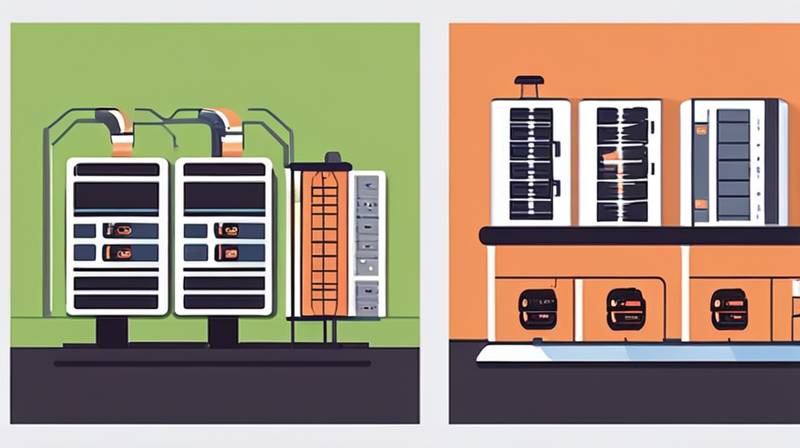
An efficient energy storage facility is a sophisticated system designed to capture and hold energy for later use, operating under various technologies such as batteries, pumped hydro, compressed air, and thermal storage. 1. These facilities optimize energy use by balancing supply and demand, 2. enhancing renewable energy integration, 3. providing frequency regulation services, 4. reducing grid congestion and strain during peak periods. A prime example of advancement in energy storage is lithium-ion battery technology, which offers rapid discharge and charge cycles, critical for stabilizing energy from fluctuating sources such as solar and wind. The deployment of these systems is pivotal in achieving a sustainable energy future, allowing for greater reliance on intermittent renewable sources while ensuring a dependable energy supply.
1. ROLE OF ENERGY STORAGE FACILITIES IN THE ENERGY LANDSCAPE
Energy storage facilities have emerged as essential components of modern energy systems, acting as a bridge between energy generation and consumption. The primary function of energy storage is to ensure that energy produced at one time can be utilized later, thereby addressing discrepancies in energy supply and demand. This capability is particularly critical for integrating renewable energy sources, which can often be unpredictable and variable.
In conventional energy systems, generation and consumption are closely aligned, allowing for minimal disruptions. However, with the increasing penetration of renewables like solar and wind power, managing these sources has become more complex. Energy storage facilities provide a strategic solution to this challenge by storing excess energy generated during peak production times and releasing it during periods of high demand. This not only stabilizes the grid but also minimizes the reliance on fossil fuel-based generation, hence reducing carbon emissions.
2. TYPES OF ENERGY STORAGE TECHNOLOGIES
Numerous technologies contribute to the efficiency and functionality of energy storage facilities. Each technology boasts unique characteristics, advantages, and applications, making them suitable for various energy needs.
2.1 BATTERY ENERGY STORAGE SYSTEMS
Among the most prevalent forms of energy storage is the battery energy storage system (BESS). Lithium-ion batteries have gained significant traction due to their high energy density, rapid response times, and declining costs. Their applications range from small-scale residential setups to expansive utility-scale installations.
An advantage of lithium-ion technology is its efficiency in energy conversion, often exceeding 90%. This efficiency means that less energy is wasted during the storage and retrieval process, making them an attractive option for energy management. Additionally, advancements in battery technology continue to improve lifespan and reduce degradation, thereby enhancing the return on investment for energy providers and consumers alike.
2.2 PUMPED HYDRO STORAGE
Pumped hydro storage is another vital technology utilized in energy storage facilities. This method leverages gravitational potential energy by pumping water to higher elevations during low-energy demand and releasing it through turbines to generate electricity when demand surges.
With more than 95% energy efficiency, pumped hydro storage is often regarded as one of the most reliable and established forms of energy storage. It can provide large-scale energy management solutions that effectively support grid stability. However, it requires geographical constraints conducive to construction, limiting its deployment in certain areas.
3. BENEFITS OF ENERGY STORAGE FACILITIES
The implementation of energy storage facilities presents a myriad of benefits that extend beyond mere energy storage. These advantages contribute significantly to a more sustainable and resilient energy ecosystem.
3.1 RENEWABLE ENERGY INTEGRATION
One of the most notable benefits of energy storage facilities is the facilitation of renewable energy integration. By allowing for the storage of surplus energy produced during periods of high renewable output, storage systems help mitigate the intermittency associated with solar and wind energy generation.
This capability reduces curtailment of renewable resources and maximizes their utilization, transforming the energy landscape towards cleaner alternatives. As a result, energy storage facilities enhance grid reliability while decreasing dependence on fossil fuels, fostering a transition towards a low-carbon future.
3.2 PEAK SHAVING AND LOAD SHIFTING
Energy storage can also play a crucial role in demand-side management strategies. Using energy storage allows for “peak shaving,” which involves reducing the demand during peak periods by discharging stored energy. This not only alleviates stress on the grid but can lead to significant cost savings for consumers.
Furthermore, energy storage systems enable “load shifting,” meaning energy can be stored when it’s cheaper and utilized when the price spikes. This practice balances energy costs over time, allowing for better planning and management of energy consumption.
4. ECONOMIC CONSIDERATIONS AND CHALLENGES
Despite the numerous benefits, energy storage deployment is not without its economic challenges. The initial investment can be substantial, particularly for advanced technologies like lithium-ion batteries or large-scale pumped hydro facilities.
Financial incentives and government policies can significantly impact the commercial viability of energy storage projects. Supportive policies, such as tax credits and grants, can alleviate upfront costs, making projects more attractive to investors and stakeholders. In contrast, the lack of such incentives can stymie development, leading to slow adoption rates and a missed opportunity for energy optimization.
5. FUTURE OF ENERGY STORAGE FACILITIES
As innovation continues to shape the energy landscape, the future of energy storage facilities looks promising. Ongoing research and development hold the potential to further enhance the efficiency and effectiveness of existing technologies while exploring new options that meet the growing demand for sustainable solutions.
Emerging technologies such as solid-state batteries and flow batteries are gaining attention for their potential to overcome current limitations. Solid-state batteries, for example, could offer improved safety and higher energy densities compared to their liquid counterparts, paving the way for more compact and efficient systems.
Advancing smart grid technologies further enhances the capability of energy storage systems, allowing for improved communication and integration with other energy management solutions. As the energy ecosystem undergoes transformation toward decentralization and digitization, the role of energy storage will remain critical in ensuring a stable, efficient, and sustainable energy supply.
QUESTIONS FREQUENTLY ASKED
WHAT ARE THE MAIN ADVANTAGES OF ENERGY STORAGE FACILITIES?
Energy storage facilities offer several key advantages, primarily optimized energy management, enhanced grid stability, and improved integration of renewable energy sources. By balancing supply and demand, these facilities contribute to reliable energy delivery during peak consumption times. Additionally, they allow for the utilization of surplus energy produced during low-demand intervals, reducing waste. The storage solutions also facilitate the transition to low-carbon energy systems by decreasing dependency on fossil fuels, as they enable greater use of intermittent renewable resources. The capacity for frequency regulation ensures that the energy grid operates efficiently, maintaining the necessary balance between generation and load at all times.
HOW DO ENERGY STORAGE SYSTEMS IMPACT ELECTRICITY PRICES?
Energy storage systems have a significant impact on electricity prices through their role in peak shaving and load shifting. By displacing high-cost peak electricity with stored energy, they help to stabilize market prices and can lead to reduced costs for consumers. In areas with high renewable energy penetration, energy storage acts as a buffer, absorbing excess generation during low-demand periods and providing energy during high-demand periods when prices increase. This ability to manage supply effectively mitigates price volatility, making energy costs more predictable for both consumers and providers. As energy storage technologies continue to evolve and become more prevalent, their influence on overall market dynamics will become increasingly pronounced.
WHAT FACTORS INFLUENCE THE CHOICES OF ENERGY STORAGE TECHNOLOGIES?
Several factors influence the selection of energy storage technologies, including project scale, cost considerations, geographical location, and intended application. For instance, lithium-ion batteries are preferred for their high energy density and quick response times, making them suitable for smaller-scale applications such as residential power storage, while pumped hydro storage fits larger scale needs given its capacity to store vast quantities of energy. Economic factors, including upfront costs and availability of incentives, also play a significant role in technology adoption. Moreover, geographical constraints, such as suitable sites for pumped storage dams, can result in uneven technology accessibility in different regions. The intersection of these variables ultimately dictates the most effective storage solutions for specific scenarios.
The significance of an energy storage facility lies in its multifaceted role in modern energy systems. By integrating various storage technologies and optimizing energy management strategies, these facilities can significantly enhance grid stability, support renewable integration, and drive economic efficiencies. Addressing the fickle nature of energy generation, particularly from renewables, energy storage becomes key to ensuring a reliable energy supply. Furthermore, as communities and nations strive for sustainability, the reliance on energy storage will likely escalate, ensuring that the energy produced today does not go to waste but instead is stored for the future. The continual advancement and reduction of costs associated with these technologies signal a robust future ahead for energy storage systems. As such, they will play a pivotal role in shaping energy policies and infrastructure developments, helping transition to a cleaner and more resilient energy landscape that benefits all stakeholders involved.
Original article by NenPower, If reposted, please credit the source: https://nenpower.com/blog/what-is-an-efficient-energy-storage-facility/

