

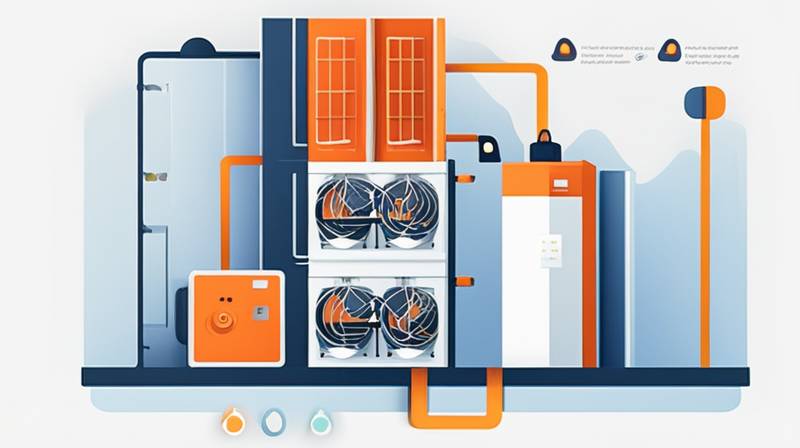
The concept of an air-cooled energy storage system revolves around three primary facets: 1. Utilization of ambient air to regulate temperature, 2. Enhanced efficiency through innovative materials, 3. Contribution to sustainable energy initiatives. This technology is designed to store excess energy, primarily from renewable sources, and release it when demand peaks. By harnessing ambient air for cooling, these systems not only maintain operational efficiency but also reduce carbon footprints significantly. Furthermore, the use of advanced materials enhances energy retention capacities, making air-cooled systems a viable option for contemporary energy challenges.
UNDERSTANDING AIR-COOLED ENERGY STORAGE SYSTEMS
1. OVERVIEW OF ENERGY STORAGE TECHNOLOGIES
The increasing demand for energy storage technologies is propelled by the growing integration of renewable energy sources, such as solar and wind power, into the global energy grid. Air-cooled energy storage systems represent an innovative solution amid various alternatives like lithium-ion batteries and pumped hydro storage. These systems specifically capitalize on natural climatic conditions to optimize performance and efficiency.
An air-cooled energy storage system operates by absorbing excess energy during low-demand periods, subsequently releasing it during peak usage times. This dynamic mechanism not only stabilizes energy supply but also mitigates reliance on fossil fuels. As the world moves towards decarbonization, exploring diverse forms of energy storage, including air-cooled systems, is critical for achieving sustainable development goals.
2. MECHANISM OF AIR-COOLED ENERGY STORAGE
An air-cooled energy storage system employs innovative techniques to harness ambient air for temperature management, which is crucial for maintaining optimum conditions within the storage medium. The heart of the technology lies in its ability to circulate air effectively, utilizing operational designs that maximize heat exchange while minimizing energy loss.
Two essential processes characterize the functionality of air-cooled systems: charging and discharging. During the charging phase, surplus energy is stored as thermal energy, which can be recuperated during peak consumption periods. The discharging mechanism allows the predefined stored energy to be released back into the grid, contributing to energy stability and meeting demand. Furthermore, the design of these systems often includes intelligent controls, which ensure the balance of energy storage and release aligns closely with grid requirements.
3. BENEFITS OF AIR-COOLED ENERGY STORAGE SYSTEMS
Air-cooled energy storage systems offer an array of benefits that position them as advantageous solutions in the burgeoning field of energy management. Primarily, they facilitate cost-effectiveness through lower operating expenses compared to traditional storage methods. By using ambient air as a cooling medium, these systems capitalize on natural phenomena, thereby reducing the need for extensive energy input for cooling.
Moreover, this technology significantly contributes to environmental sustainability. Utilizing air for cooling minimizes the environmental impact while maximizing efficiency. As many air-cooled energy storage systems incorporate recyclable materials, they further enhance the sustainable aspect of energy storage. The potential for scalability also makes these systems attractive for large-scale applications, enabling widespread adoption across various industries.
4. INTEGRATING AIR-COOLED SYSTEMS WITH RENEWABLE ENERGY
The synergy between air-cooled energy storage systems and renewable energy sources is paramount for future energy resilience. Renewable technologies like solar panels and wind turbines produce intermittent energy, necessitating storage solutions that can dynamically respond to fluctuating energy supplies. Air-cooled systems proficiently accommodate this by storing excess energy when production exceeds consumption.
Additionally, the deployment of these systems alongside renewable energies enhances grid reliability. By diversifying energy storage capabilities, air-cooled systems enable better management of energy distribution, preventing waste and ensuring that stored energy can be deployed strategically. The integration also assists in regulatory compliance and energy efficiency mandates, further solidifying the role of air-cooled energy storage within the energy landscape.
5. CHALLENGES FACING AIR-COOLED ENERGY STORAGE
Despite the clear advantages presented by air-cooled energy storage systems, several obstacles hinder broader implementation. The initial capital investment associated with the setup and maintenance of these systems can be significant, deterring potential adopters. Moreover, the efficiency of air-cooled systems can be highly dependent on environmental conditions; regions with extreme temperature fluctuations may face performance challenges.
Another challenge lies in the technological advancements needed to optimize operational efficiency fully. Continuous research and development efforts are essential to improve these systems’ design, thermal management, and energy conversion capabilities. Addressing these concerns not only enhances the market viability of air-cooled systems but also ensures they remain competitive against other established storage technologies.
6. CASE STUDIES OF AIR-COOLED ENERGY STORAGE PROJECTS
Several pioneering projects across the globe demonstrate the efficacy and advantages of air-cooled energy storage systems. One such notable implementation is found in California, where a large-scale project integrates air-cooled technology with a solar field. This project effectively utilizes the stored thermal energy to power local communities during high-demand periods, illustrating the system’s potential for enhancing energy accessibility.
Another example is in Germany, where a consortium of companies has developed a hybrid air-cooled storage model in central heating applications. This initiative showcases how air-cooled systems can synergistically operate within existing infrastructure, contributing to energy efficiency and sustainability. Through these case studies, it becomes evident that well-designed air-cooled energy storage systems can yield substantial benefits for both producers and consumers alike.
7. FUTURE OF AIR-COOLED ENERGY STORAGE SYSTEMS
Looking ahead, the future of air-cooled energy storage systems hinges on several factors. Emerging technologies are likely to enhance performance and efficiency, fostering greater acceptance in the marketplace. Innovations in materials science could yield advancements that improve energy retention and temperature management, further solidifying the role of air-cooled systems in contemporary energy solutions.
In addition, as the global energy landscape continues to evolve, the alignment of air-cooled systems with national energy policies, particularly those aimed at reducing carbon emissions, will undoubtedly bolster their relevance. An increasing emphasis on sustainability mandates a transition towards cleaner energy solutions, thereby positioning air-cooled systems as invaluable tools in the broader effort to address climate change and promote renewable energy sources.
Frequently Asked Questions
WHAT ARE AIR-COOLED ENERGY STORAGE SYSTEMS?
Air-cooled energy storage systems are advanced energy management solutions that store surplus energy, primarily drawn from renewable sources, during periods of low consumption and release it during peak demand. Leveraging ambient air for temperature regulation, these systems enhance operational efficiency and stability across energy grids. The principal feature of air-cooled systems is their ability to utilize natural atmospheric conditions for optimal energy storage and management. These systems typically operate through two key phases: charging and discharging. During charging, excess energy is stored as thermal energy, which can then be released back into the grid when required. This dynamic capability not only stabilizes energy supply but also reduces the reliance on conventional fossil fuels. As sustainability becomes increasingly integral to energy planning, air-cooled systems offer a practical alternative that aligns with current environmental goals.
WHAT ADVANTAGES DO AIR-COOLED ENERGY STORAGE SYSTEMS OFFER OVER OTHER STORAGE METHODS?
Air-cooled energy storage systems provide several advantages compared to traditional storage options like lithium-ion batteries or pumped hydro storage. Firstly, due to their design, these systems are cost-effective; they employ ambient air for cooling, which minimizes operational expenses significantly. This affordable aspect is particularly appealing to organizations looking to manage energy costs meticulously. Secondly, the use of ambient air aids in environmental sustainability, as it reduces the carbon footprint associated with energy storage solutions. Many air-cooled systems utilize recyclable materials, further enhancing their sustainability profile. Additionally, air-cooled systems can respond dynamically to energy fluctuations, making them particularly suitable for integration with renewable energies. Their scalability also enables broad applications across various sectors, from commercial to industrial, illustrating their versatility in contemporary energy management strategies.
HOW DO WEATHER CONDITIONS AFFECT THE PERFORMANCE OF AIR-COOLED ENERGY STORAGE SYSTEMS?
Weather conditions play a crucial role in the performance of air-cooled energy storage systems, as these systems rely on ambient air for effective cooling and energy management. In regions with highly variable climates, the efficiency of such systems can be significantly influenced by temperature extremes. For instance, overly hot weather can impede cooling processes, leading to reduced efficiency levels during energy storage and retrieval phases. Conversely, cooler temperatures can enhance performance, allowing for more effective thermal management. Therefore, geographical considerations and climatic factors must be taken into account when implementing air-cooled systems. Continuous research and advancements in technology are essential to mitigate these climatic challenges, ensuring systems remain efficient regardless of conditions. The development of robust designs capable of adapting to varying climate conditions will ultimately determine the sustainability and reliability of air-cooled energy storage systems.
Air-cooled energy storage systems have emerged as significant players in modern energy management strategies. Their unique ability to harness ambient air for optimal operation presents a myriad of benefits, particularly in enhancing efficiency and sustainability. As renewable energy sources continue to gain traction worldwide, the integration of air-cooled systems not only supports the shift towards greener energy solutions but also addresses critical supply and demand challenges in energy distribution. These systems represent an innovative response to contemporary energy demands and environmental concerns, underscoring the need for diversified storage solutions. Continuous research and advancements will undoubtedly refine their capabilities, further embedding them within the pathways toward a sustainable energy future. With the right conditions and advancements, air-cooled energy storage systems hold the potential to revolutionize how energy is stored, managed, and utilized across multiple industries. Their viability depends on effective implementation and evolving designs, paving the way for a greener, more efficient energy landscape.
Original article by NenPower, If reposted, please credit the source: https://nenpower.com/blog/what-is-an-air-cooled-energy-storage-system/

