

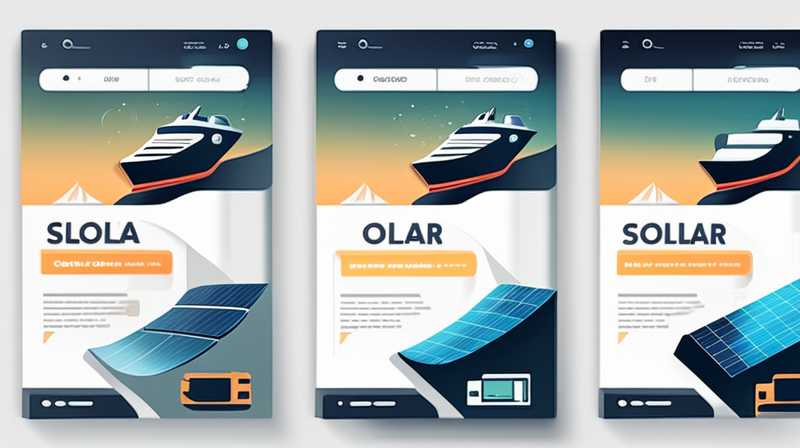
A vessel powered primarily by solar energy is commonly referred to as a solar-powered cruise ship. 1. These ships utilize solar panels to harness sunlight, 2. converting that energy into electricity for propulsion and onboard services, 3. representing a significant advancement in eco-friendly maritime technology, 4. contributing to the reduction of carbon emissions in the cruise industry. Among the notable aspects, the technology employed allows for a nearly self-sustaining energy system, considerably reducing dependency on conventional fuels. This innovative approach not only enhances sustainability but also offers passengers a unique cruising experience that emphasizes environmental awareness and preservation.
1. UNDERSTANDING SOLAR POWERED CRUISE SHIPS
Modern advancements in technology are marking a transformative era in the maritime industry, especially regarding eco-friendly alternatives to traditional propulsion systems. Solar-powered cruise ships stand at the forefront of this innovation, leveraging renewable energy sources to mitigate their environmental footprint. With growing awareness about climate change and its repercussions, the importance of such vessels cannot be overstated.
Solar-powered cruise ships utilize large solar panel arrays installed on their decks. These panels capture sunlight and convert it into electricity, which is then utilized to power engines and onboard systems. The energy generated fuels not only propulsion but also amenities for passengers, such as lighting, air conditioning, and culinary operations. By harnessing this abundant natural resource, these vessels are leading the charge towards greener, more sustainable maritime travel.
To thoroughly appreciate the significance of solar-powered cruise ships, one must also evaluate their operational efficiency alongside environmental impact. The technology employed in solar panels has witnessed significant advancements over recent years, leading to increased effectiveness in energy capture and conversion. This continual refinement enhances the vessels’ performance while promoting a holistic approach to sustainable travel.
2. ENVIRONMENTAL IMPACT
A crucial advantage of solar-powered cruise vessels lies in their potential to significantly reduce greenhouse gas emissions. Unlike their traditional counterparts that rely on fossil fuels, which release harmful pollutants, solar energy presents a clean alternative that does not compromise air quality or contribute to climate change.
Overall, solar power reduces the carbon footprint associated with maritime travel. Studies indicate that by utilizing renewable energy, vessels can decrease emissions by up to 95%. The implications of this are profound, especially considering the growing concerns about air pollution in coastal areas and the damage caused by traditional shipping lanes.
Moreover, the use of renewable energy aligns with global efforts towards sustainable tourism. The cruise industry comprises a substantial part of the global tourism economy, and its transition towards greener practices reflects a commitment to preserving marine environments. By operating on solar energy, these ships demonstrate that environmental responsibility and tourism can coexist harmoniously.
Also, solar-powered vessels can serve as educational platforms. For travelers on these ships, there is an opportunity to learn about the importance of renewable energy and conservation practices. This factor contributes to raising awareness and fosters a more sustainable mindset among future generations of travelers and industry practitioners.
3. TECHNICAL INNOVATIONS
The technology behind solar-powered cruise ships is continually evolving, necessitating an understanding of the innovations that propel this change. At the heart of these advancements are efficient solar panel designs that optimize energy capture and conversion. These panels can now generate more power from less surface area, allowing for more streamlined ship designs that maintain aesthetic appeal without sacrificing performance.
Energy storage systems are also critical to the operation of solar-powered vessels. Advanced battery technologies enable ships to store excess energy generated during sunny conditions for use at night or during cloudy weather. This flexibility in energy usage ensures that the ship always has a reliable power source, thereby making solar energy a viable option for consistent maritime operations.
In addition to batteries, other on-board technologies can enhance energy efficiency. For instance, energy management systems monitor and control the distribution of electricity throughout the ship. These systems can dynamically adjust power allocation to various needs, ensuring that energy consumption is minimized, especially during peak demands.
Moreover, an array of auxiliary systems like wind turbines and hydro-generators can further bolster energy resources. While primarily focusing on solar power, integrating these technologies can create hybrids that maximize the potential of renewable energy, leading to unmatched operational flexibility.
4. ECONOMIC CONSIDERATIONS
Transitioning to solar power involves substantial initial investments, posing challenges for cruise lines considering this shift. However, long-term savings and potential revenue generation offer a compelling argument for adopting solar technologies. The operational costs associated with fuel consumption can be dramatically reduced once cruise lines transition to solar energy.
Alternatively, cruise lines can capitalize on the eco-friendly image provided by solar-powered vessels. Today’s consumers are increasingly drawn to businesses that prioritize sustainability in their operations. By incorporating renewable energy, cruise lines can appeal to environmentally conscious travelers, ultimately increasing customer loyalty and attracting new clientele.
Additionally, with regulatory bodies implementing stricter emissions regulations worldwide, the transition to solar-powered vessels now represents a forward-thinking business strategy. Aligning with emerging standards not only ensures compliance but also positions cruise lines favorably in a future poised for stricter environmental oversight.
The potential for innovation within the solar-powered cruise ship domain can lead to entirely new business models. Collaborative platforms focused on research, development, and sustainable tourism create opportunities for synergy across industries. For instance, partnerships with tech companies can drive advancements while enhancing the cruise experience through integrated sustainability narratives.
5. TOURIST EXPERIENCE
The introduction of solar-powered cruise ships revolutionizes the journey experience for tourists. Given the eco-consciousness associated with these ships, vacationers can feel more connected to sustainability during their travels. This alignment with modern environmental values enhances the overall enjoyment of their journey.
Onboard experiences can be uniquely tailored to emphasize sustainable practices. From culinary offerings that leverage local, organic ingredients to educational workshops on marine conservation, there is an opportunity to engage passengers in meaningful ways. Engaging narratives, such as stories about local cultures and ecosystems, deepen connections with destinations.
Moreover, sailing on vessels powered by renewable energy offers travelers a unique opportunity to partake in a revolutionary form of escape. Passengers can relish the beauty of nature without the adverse effects commonly associated with maritime travel. They can enjoy stunning views and unparalleled tranquility, knowing that their journey contributes positively to the environment.
It is important to note that the aesthetics of solar-powered cruise ships often reflect their innovative nature. Many designs feature sleek lines and modern silhouettes that attract tourists looking for unique cruising experiences. This forward-thinking design not only appeals to visual tastes but is also emblematic of the future of sustainable tourism.
6. REGULATORY LANDSCAPE
Another significant aspect influencing the evolution of solar-powered cruise ships is the regulatory environment in which they operate. International maritime laws increasingly emphasize sustainability, urging shipping companies to adopt greener practices. This regulatory push fosters a conducive climate for innovation in renewable technologies.
Governing bodies play an essential role in promoting solar-powered travel. By providing incentives, subsidies, or research grants, these entities can facilitate the transition to renewable energy within the cruise industry. Moreover, frameworks that encourage the reduction of carbon emissions motivate companies to invest in alternative energy sources.
As regulations continue to tighten and tax considerations evolve, affected businesses must adapt their strategies. The navigation of evolving legislation provides opportunities for innovation and growth. Companies that proactively adopt sustainable technologies and practices can position themselves as leaders in an industry undergoing profound change.
Moreover, collaboration with governmental and non-governmental organizations can help establish best practices and standards for solar-powered cruise operations. These partnerships are crucial in building a consensus around sustainable maritime practices and ensuring that all stakeholders benefit from advancements aimed at reducing environmental impact.
SOLAR POWERED CRUISE SHIP FAQ
HOW DOES A SOLAR POWERED CRUISE SHIP WORK?
Solar-powered cruise ships function by utilizing solar panels installed on their decks to collect sunlight. These panels convert solar energy into electricity, which is then used to power the ship’s propulsion systems and onboard amenities. The energy collected can be stored in batteries for use when sunlight is not available, ensuring that the ship continues to operate efficiently even in less favorable weather conditions. Solar-powered vessels can significantly reduce the reliance on fossil fuels, thus contributing to a more sustainable approach to cruising. The integration of energy management systems ensures optimal energy distribution throughout the ship, allowing for the energy to be utilized most effectively.
ARE SOLAR POWERED CRUISE SHIPS COST-EFFECTIVE?
While the initial investment in solar technology and infrastructure can be considerable, solar-powered cruise ships often provide long-term financial benefits. The reduction in fuel expenses represents the most significant saving, as these vessels depend predominantly on renewable energy sources, which are substantially cheaper than traditional fuel. Additionally, with increasing regulations aimed at reducing emissions, investing in solar power can preemptively align cruise lines with future compliance requirements. Furthermore, the rising consumer preference for eco-friendly travel experiences can drive higher demand for such vessels, potentially enhancing profitability and customer loyalty.
WHAT ARE THE BENEFITS OF TRAVELING ON A SOLAR POWERED CRUISE SHIP?
Traveling on a solar-powered cruise ship offers numerous benefits that go beyond traditional cruising experiences. Passengers can enjoy the peace of mind that comes from knowing their journey is environmentally friendly, contributing to the preservation of marine ecosystems and coastal communities. The educational elements integrated into the cruise can enhance guests’ understanding of sustainability and the importance of renewable energy. Additionally, these vessels often provide unique onboard experiences that focus on local culture and sustainable practices, ensuring a richer and more fulfilling trip. Furthermore, the use of clean energy minimizes air pollution, creating a healthier atmosphere for both travelers and marine life.
In summary, the evolution of solar-powered cruise ships signifies a pivotal shift in maritime travel, promoting sustainability while offering enjoyable experiences on the water. By embracing renewable technologies, the cruise industry can not only address environmental concerns but also potentially reshape consumer perceptions of travel. This transition is critical for ensuring the long-term viability of the industry amidst growing scrutiny over its ecological impact. The integration of solar power into cruise ship designs reflects broader trends towards sustainability and environmental awareness across all industries. Furthermore, these advancements offer tours an opportunity to better connect with the essence of the destinations they visit. As technology continues to advance, evolving regulatory environments pave the way for further improvements, making this a significant pivot point for future cruise experiences. Embarking on a solar-powered vessel does not just present a mode of travel; it signifies a commitment to preserving our oceans and supporting the sustainability narrative that resonates with modern travelers seeking eco-conscious options. The voyage towards an environmentally friendly future is not just an innovative exploration but a necessary undertaking for the wellbeing of our planet and future generations to savor the beauty that maritime travel has to offer.
Original article by NenPower, If reposted, please credit the source: https://nenpower.com/blog/what-is-a-solar-powered-cruise-ship-called/

