

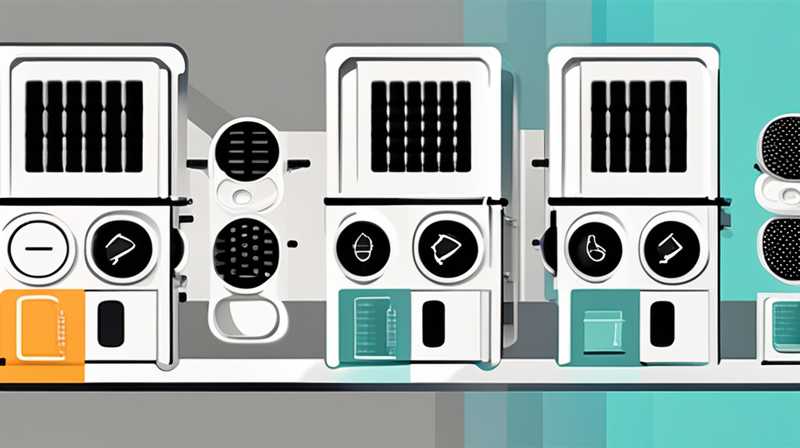
A solar control cabinet is an essential component in solar power systems, functioning as a protective and regulatory unit for various electrical equipment used in photovoltaic (PV) installations. 1. It safeguards electrical components from external environmental factors, 2. It facilitates efficient operation of solar energy systems, 3. It incorporates advanced monitoring and control systems, 4. It enhances the reliability and lifespan of solar installations. Among these points, the significance of protecting sensitive electrical devices from elements like moisture, dust, and temperature fluctuations is critical, ensuring uninterrupted power generation and system longevity.
UNDERSTANDING SOLAR CONTROL CABINETS
1. INTRODUCTION TO SOLAR CONTROL CABINETS
Solar control cabinets constitute a pivotal element within solar energy frameworks, serving a dual purpose of protection and management for essential electrical components. These enclosed units are typically crafted from durable materials that shield the interior from environmental threats. In the context of solar power generation, they accommodate important devices such as inverters, breakers, and controllers, all of which require optimal environmental conditions to function efficiently.
The main function of a solar control cabinet encompasses various roles, including housing critical electrical connections and ensuring safe operation. By doing so, these cabinets not only maximize the performance of solar installations but also contribute to the overall safety of the system. Understanding the fundamental aspects of these cabinets offers valuable insights into how they play an integral role in the effectiveness and longevity of solar energy systems.
2. COMPONENTS OF SOLAR CONTROL CABINETS
2.1 KEY ELEMENTS
The design of solar control cabinets incorporates several essential components that facilitate their multiple functions. Foremost among these is the solar inverter, responsible for converting direct current (DC) from solar panels to alternating current (AC). This transformation is crucial for the usability of solar energy in daily applications, making the inverter a key component within the cabinet.
Additionally, disconnect switches play a significant role in ensuring safety during maintenance or emergencies. These switches allow for the quick disconnection of power from a solar panel array, protecting both personnel and equipment. Other components often found within these cabinets include fuse boxes, which safeguard circuits from overloads and short circuits, thus preventing damage to the entire system.
2.2 FUNCTIONAL INTEGRATION
The integration of these components within a solar control cabinet is carefully conceptualized to ensure that they work in harmony. This means that each device must be selected based on its compatibility with the others, facilitating a seamless flow of electricity through the system. Moreover, the placement of these components is crucial; proper spacing allows for adequate cooling and reduces the risk of overheating.
Furthermore, manufacturers design cabinets with standardized frameworks that accommodate various configurations, providing flexibility in deployment. Whether mounted on a wall, placed on the ground, or even installed in remote locations, these cabinets are tailored to meet diverse installation requirements. This adaptability not only increases usability but also enhances the investment viability for solar projects, ultimately leading to better economic outcomes.
3. THE ROLE OF SOLAR CONTROL CABINETS IN SYSTEM EFFICIENCY
3.1 OPTIMIZING PERFORMANCE
Solar control cabinets are not merely protective enclosures; they actively contribute to the efficiency of solar energy systems. By securely housing components such as inverters and controllers, these cabinets help maintain operational stability by protecting sensitive devices from adverse environmental conditions. This is critically important, as extreme temperatures and humidity can dramatically affect the performance and reliability of solar energy components.
Specifically, maintaining an optimal temperature range within the cabinet ensures that inverters and other critical devices function at peak performance. Efficient heat dissipation methods, such as ventilation systems or heat sinks, are often integrated into the design of these cabinets. As a result, solar installations not only achieve higher levels of energy conversion but experience fewer interruptions, leading to increased output over time.
3.2 ENHANCED MONITORING AND CONTROL
Moreover, many modern solar control cabinets are outfitted with advanced monitoring and control systems that provide real-time data regarding the performance of the solar installation. These systems allow operators to track energy production, identify issues within the system, and adjust parameters to enhance performance.
The integration of technologies such as Internet of Things (IoT) devices enables remote monitoring capabilities, making it easier for operators to manage their installations without needing to be physically present. Comprehensive data analysis from these systems can lead to better decision-making, allowing for predictive maintenance to avoid costly failures. Consequently, the overall reliability of solar energy systems is markedly improved, resulting in sustained energy outputs.
4. PROTECTIVE FUNCTIONS OF SOLAR CONTROL CABINETS
4.1 ENVIRONMENTAL PROTECTION
Environmental protection comprises one of the foremost roles of solar control cabinets. By securely enclosing critical electrical components, these units shield them from factors such as moisture, dust, and debris, which can severely impact system performance. For instance, inverter components that are exposed to moisture may suffer from corrosion or failure, leading to costly repairs and replacement.
Moreover, environmental threats posed by extreme temperatures cannot be understated. Excess heat can decrease the efficiency of inverters, leading to energy loss and potential system shutdowns. Solar control cabinets are seasonally designed to maintain internal temperatures, ensuring components operate within their optimal range. The careful selection of materials that resist environmental stressors further enhances the protective capabilities of these cabinets.
4.2 SAFETY MEASURES
In addition to environmental protection, another critical aspect is the safety of both the system and personnel working around it. Solar control cabinets incorporate various safety features, including robotically-sealed enclosures and robust material construction that mitigate risks associated with electrical faults. This degree of security is particularly pertinent in commercial solar installations, where large-scale systems could result in severe incidents if not properly managed.
Furthermore, emergency disconnect switches provide an additional layer of safety, allowing operators to isolate components swiftly in the event of a malfunction. Safety certifications and standards guide the design of solar control cabinets, assuring that they meet or exceed the requirements for electrical enclosures. Such diligence results in increased confidence among users regarding their safety measures and operational integrity.
5. INSTALLATION AND MAINTENANCE OF SOLAR CONTROL CABINETS
5.1 INSTALLATION CONSIDERATIONS
Proper installation goes hand in hand with the functionality of solar control cabinets. Installers should consider several factors, including location, accessibility, and environmental conditions. Strategic placement ensures ease of access for maintenance while also reducing exposure to direct sun or water, which could potentially compromise the integrity of the cabinet.
Choosing the right configuration and mounting method is critical as well. Different settings, such as residential versus commercial installations, might require varied cabinet specifications. Therefore, it is essential to consult with manufacturers or industry professionals to determine the best setup for specific solar installations.
5.2 POST-INSTALLATION MAINTENANCE
After installation, regular maintenance of the solar control cabinet is necessary to ensure continued performance. Inspections should be scheduled routinely, focusing on the physical condition of the cabinet and its internal components. Checking for signs of wear and tear can facilitate early detection of potential issues before they escalate into significant failures.
Cleaning is another important aspect of maintenance; dust and debris accumulation can impair ventilation systems and reduce cooling efficiency. As solar technology continues to advance, operators should remain diligent about implementing upgrades to their monitoring and safety protocols, minimizing downtime and optimizing energy production throughout the system’s lifespan.
6. COST IMPLICATIONS OF SOLAR CONTROL CABINETS
6.1 INITIAL INVESTMENT
The initial investment for solar control cabinets can vary significantly based on multiple factors, including size, materials used, and included technologies. While it may appear to be a substantial expenditure upfront, it is essential to view this cost in conjunction with the long-term benefits the cabinets provide. Specifically, investing in a high-quality cabinet can lead to enhanced performance, reduced maintenance costs, and prolonged system lifespan.
Additionally, some manufacturers offer custom options tailored to specific project needs, which may allow for further investment efficiencies. The financial implications should be thoroughly analyzed, ensuring that the selected cabinet aligns with the broader financial objectives of the solar installation.
6.2 LONG-TERM SAVINGS
Beyond initial costs, the efficiency and protective capabilities of solar control cabinets lead to potential long-term savings for operators. By minimizing maintenance frequency and addressing system issues proactively, operators can experience a significant return on investment over time. Moreover, enhanced performance directly translates to higher energy yields, contributing to improved profitability.
In light of the increasing push for sustainability and renewable energy, integrating effective solar control cabinets can ultimately result in enhanced valuation of solar assets, ensuring that the long-term benefits noticeably outweigh the initial investment.
FREQUENTLY ASKED QUESTIONS
WHAT ARE THE MAIN FUNCTIONS OF A SOLAR CONTROL CABINET?
Solar control cabinets serve crucial functions within solar energy systems, primarily providing protection, management, and monitoring of electrical components. Inside these cabinets, critical devices such as inverters and disconnect switches are housed securely, safeguarding them from environmental elements like moisture and dust. Additionally, solar control cabinets facilitate efficient energy conversion by housing inverters, converting DC electricity from solar panels into AC for use. Enhanced monitoring capabilities also allow operators to analyze system performance effectively.
The enclosure’s design maximizes performance while minimizing risks, contributing to the overall safety and reliability of solar installations. As such, every aspect of a solar control cabinet is designed to enhance the efficiency and longevity of solar power systems, leading to reliable and sustainable energy production.
HOW OFTEN SHOULD SOLAR CONTROL CABINETS BE MAINTAINED?
The frequency of maintenance for solar control cabinets can vary depending on multiple factors, including environmental conditions, system size, and usage intensity. However, industry best practices recommend performing inspections at least once a year, with additional checks conducted semi-annually in extreme weather conditions or remote installations.
During maintenance inspections, technicians should assess the physical condition of the cabinet, checking for signs of wear, corrosion, or any other potential issues. Regular cleaning of any dust and debris is vital to maintain efficient cooling and prevent overheating. Furthermore, testing the functionality of included safety features, such as disconnect switches, should also be performed consistently. Following these protocols can help ensure optimal performance in solar installations, ultimately maximizing energy production.
WHAT ARE THE BENEFITS OF USING CUSTOM SOLAR CONTROL CABINETS?
Opting for custom solar control cabinets offers several key advantages tailored to the specific needs of a solar installation. 1. Enhanced functionality allows operators to specify the inclusion of tailored components, such as specialized inverters or monitoring systems, maximizing the overall utility of the cabinet. 2. Improved space efficiency is another benefit, as customized designs can optimize the layout within the cabinet, ensuring every inch is utilized effectively for housing necessary equipment.
3. Tailored protective elements can be integrated into custom cabinets, ensuring specific environmental threats are adequately addressed, whether due to extreme weather conditions or specific industrial settings. Ultimately, investing in a custom solar control cabinet increases not only the convenience of installation and maintenance but also the resilience and performance of the entire solar energy system, contributing to heightened operational efficiency.
Solar control cabinets serve as a cornerstone in the architecture of solar energy systems, ensuring that protective measures, management functions, and monitoring capabilities converge effectively. By safeguarding electrical components from environmental risks, these cabinets enhance the overall performance of solar installations, assuring optimal energy production for years. The importance of quality design cannot be overstated, as it dictates the longevity and operational stability of the entire system. Through careful consideration of materials, monitoring technology, and installation practices, solar control cabinets play an invaluable role in promoting sustainability and meeting energy demands in an increasingly eco-conscious world. Moreover, frequent maintenance and assessments allow for the timely identification of potential issues, ensuring that solar energy systems operate efficiently without hindrance. Thus, selecting and maintaining appropriate solar control cabinets not only advances reliability but also contributes to achieving the full potential of solar energy as a viable, renewable resource for the future.
Original article by NenPower, If reposted, please credit the source: https://nenpower.com/blog/what-is-a-solar-control-cabinet/

