

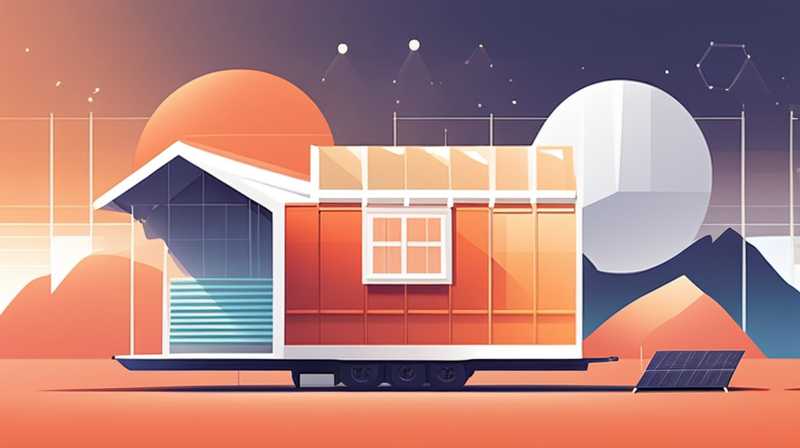
A mobile home equipped with solar energy systems is typically known as a “solar mobile home” or sometimes referred to as a “solar-powered manufactured home.” These types of residences utilize solar panels to harness renewable energy, which significantly reduces reliance on traditional power sources. 1. Solar mobile homes utilize photovoltaic (PV) technology, enabling the conversion of sunlight into electricity. 2. These structures often include battery storage systems, allowing homeowners to store excess energy for later use during night hours or cloudy days. 3. Many solar mobile homes are designed for off-grid living, offering independence from utility companies and fostering sustainable lifestyles. One aspect that warrants further exploration is how these homes integrate innovative energy solutions with modern living, providing a unique and eco-friendly housing option.
1. UNDERSTANDING MOBILE HOMES
Mobile homes, sometimes termed manufactured homes, are prefabricated residences built on a permanent chassis for transport. They offer a valuable alternative to traditional housing, often at lower costs and with a greater degree of flexibility in location choice. Initially designed for affordability, these homes have evolved significantly over the years concerning aesthetics, durability, and efficiency.
One primary component of modern mobile homes is the ability to incorporate new technologies, such as solar energy systems. By utilizing solar panels, residents not only reduce their electricity bills but also make a sustainable choice that positively impacts the environment. These energy-efficient systems can promote energy independence, allowing homeowners to generate their own electricity from an eco-friendly source. This transition towards renewable energy reflects a broader trend in home construction and living that prioritizes sustainability and self-sufficiency.
The integration of solar energy into mobile homes represents a turning point in the housing market. Homeowners can design their residences with specific energy goals in mind; thus, contemporary mobile homes can frequently match or exceed the energy performance of traditional site-built homes. By prioritizing energy efficiency, manufacturers are increasingly producing mobile homes that respond to consumer demand for sustainability.
2. THE TECHNOLOGY BEHIND SOLAR POWER
The heart of any solar mobile home lies in its solar energy technology. Photovoltaic (PV) panels are the most common solar technology used in residential applications. These panels consist of numerous photovoltaic cells that convert sunlight into electricity. When sunlight strikes these cells, it generates direct current (DC), which then is transformed into alternating current (AC) by an inverter, making it usable for household appliances.
Another integral component related to solar power usage is energy storage. Battery storage systems have become essential, allowing homeowners to store excess energy generated during peak sunlight hours. This enables the use of solar energy during night hours or on cloudy days, providing a consistent energy supply. Efficient battery technology has evolved considerably, with options like lithium-ion and lead-acid batteries being commonly utilized.
Moreover, advances in energy management systems streamline the monitoring and optimization of energy usage. Homeowners can track their solar energy generation, consumption patterns, and storage levels, leading to informed energy decisions. Modern systems enable more efficient energy distribution within the home, maximizing the benefits of solar energy utilization.
In addition to solar power, energy efficiency measures can dramatically enhance the overall energy profile of mobile homes. Insulation standards, energy-saving appliances, and efficient HVAC systems contribute substantially to minimizing energy consumption and maximizing the effectiveness of solar installations. By employing a holistic approach to energy efficiency and renewable energy integration, mobile homes can achieve optimal performance in both comfort and sustainability.
3. BENEFITS OF SOLAR MOBILE HOMES
One of the most compelling advantages of solar mobile homes is substantial savings on electricity bills. In many cases, homeowners can achieve energy independence, significantly reducing or even eliminating monthly utility expenses. The rebate programs and tax incentives offered in various states further enhance the financial benefits associated with such eco-friendly investments.
Another profound benefit is the increased property value. Solar mobile homes not only embody a modern and sustainable lifestyle, but they also appeal to a growing market of environmentally conscious buyers. With the rising trend of green living, potential homebuyers often prioritize energy-efficient properties, potentially resulting in a higher resale value for homes equipped with solar power systems.
Environmental impact represents a critical aspect of transitioning to solar mobile homes. Utilizing renewable energy significantly reduces the carbon footprint associated with traditional energy sources. By harnessing solar power, mobile homeowners can contribute to efforts aimed at combatting climate change and preserving natural resources. This alignment with environmental goals resonates well with those seeking sustainability through their lifestyle choices.
Additionally, mobile homes are frequently designed with mobility and flexibility in mind. Homeowners can relocate their solar-powered mobile homes with relative ease, preserving their energy investments. This enhanced flexibility enables individuals and families to lead a nomadic lifestyle, embracing travel and changing climates while maintaining a sustainable energy supply.
4. CHALLENGES AND CONSIDERATIONS
While the advantages of solar mobile homes are significant, several challenges require consideration. Initial investment costs can be a formidable barrier for some homeowners. Although the long-term savings on energy bills often justify the upfront expense of solar panels and battery storage systems, securing financing for the initial installation can pose a challenge. Investigating available loan programs, incentives, and grants is crucial for prospective buyers aiming to mitigate these costs.
Another noteworthy challenge is the requirement for adequate sunlight exposure to maximize energy generation. Homes situated in heavily shaded areas or regions with limited sunlight may experience lower solar energy output. Therefore, prospective homeowners must carefully evaluate site placement and potential obstacles, such as trees or buildings that could inhibit sunlight access.
Furthermore, maintenance aspects related to solar technology must not be overlooked. Although solar panels generally require minimal upkeep, periodic cleaning and inspections are essential to ensure optimal operation. Regular assessments of battery systems and inverters can also prevent costly repairs or replacements. Homeowners must be diligent in maintaining their solar energy systems to reap their full benefits continually.
Moreover, understanding local regulations surrounding mobile homes and solar installations is vital. Zoning laws, building codes, and homeowner association guidelines may impose restrictions that could affect installation, operation, or design choices. Engaging with local authorities and consulting with experienced professionals can clarify the regulatory landscape pertaining to solar mobile homes.
FREQUENTLY ASKED QUESTIONS
WHAT ARE THE MAIN COMPONENTS OF A SOLAR MOBILE HOME?
A solar mobile home typically contains solar panels, an inverter, and an energy storage system. Solar panels are fundamental, as they capture sunlight. Once sunlight strikes the panels, it creates direct current, which an inverter then converts to alternating current for household use. Energy storage systems, such as batteries, allow homeowners to store excess energy generated during the day, making it available for use during times when solar generation is low. Together, these components work in tandem to provide a renewable energy solution for mobile home residents, promoting energy independence and sustainability.
HOW DO SOLAR MOBILE HOMES PERFORM IN INCLEMENT WEATHER?
Solar mobile homes maintain functionality even during less-than-ideal weather conditions. While performance may be reduced during heavy clouds or rain, modern solar panels are designed to capture and convert diffuse sunlight. Most systems will still generate some electricity, enabling minimal loads. Additionally, battery storage allows homeowners to draw stored energy even when solar generation is low. Careful positioning and installation can also help combat issues related to snow accumulation or ice on panels, ensuring ongoing energy production and reducing dependence on traditional utility sources.
WHAT FINANCING OPTIONS ARE AVAILABLE FOR SOLAR MOBILE HOMES?
Numerous financing options exist for individuals seeking to invest in solar mobile homes. Government incentives, tax credits, and grants can help ease the financial burden of solar installations, allowing homeowners to offset some initial costs. Additionally, specialized loan programs may be available, providing favorable terms for energy-efficient home improvements. Home equity lines of credit (HELOCs) and other traditional mortgage approaches may also be utilized to fund solar technologies and upgrades. Exploring these options can empower homeowners to make eco-friendly choices without sacrificing financial stability.
The advent of solar mobile homes represents a convergence of sustainability and modern living. As society becomes increasingly aware of the urgent need for environmentally conscious practices, the popularity of solar mobile homes is bound to rise. By harnessing renewable energy sources, these unique dwellings establish themselves at the forefront of eco-friendly housing solutions. Furthermore, embracing solar energy reduces dependence on non-renewable sources, actively supporting community transitions toward a sustainable future.
Investment in solar mobile homes ultimately benefits not only the homeowner but also the planet. Striking a balance between affordability, mobility, and sustainability, these structures pave the way for innovative living arrangements. By generating renewable energy and decreasing utility costs, homeowners engage in practical, meaningful efforts to foster long-term environmental stewardship.
As manufacturers continue to prioritize energy-efficient designs and technology, the market will likely witness enhancements in materials and systems used in solar mobile homes. These advancements represent a promising future for solar technologies in the housing industry. Enhanced awareness of climate change impacts hints at increasing consumer interest in green living solutions, and solar mobile homes epitomize this movement.
Ultimately, the future of housing is intertwined with renewable energy innovation. Embracing solar-powered mobile homes allows individuals and families to live comfortably, conveniently, and sustainably while prioritizing ecological responsibility. Not merely transient shelters, solar mobile homes embody a lifestyle choice enabling a harmonious relationship between humanity and the environment.
Original article by NenPower, If reposted, please credit the source: https://nenpower.com/blog/what-is-a-mobile-home-with-solar-energy-called/

