

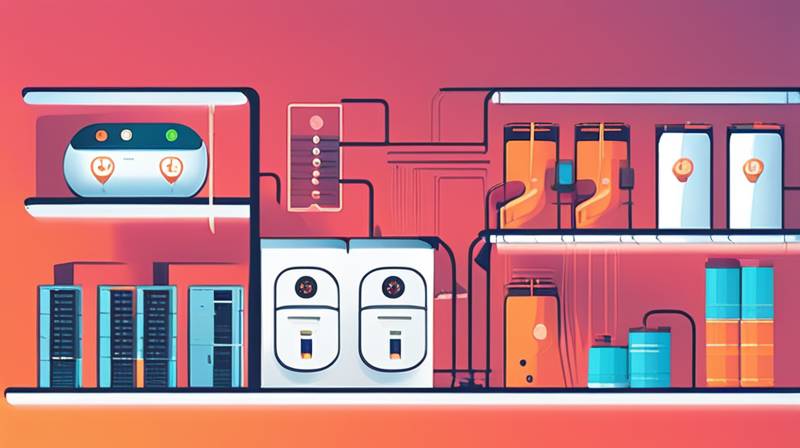
A home energy storage system (HESS) is an innovative solution designed to capture and store energy for residential use. 1. It enhances energy security, ensuring that homeowners have access to power even during outages or peak demand times. 2. It maximizes energy efficiency, allowing for the utilization of stored energy generated from renewable sources, such as solar power, when it’s most needed. 3. It leads to potential cost savings, by enabling homeowners to consume stored energy during higher tariff periods, thus lowering their electricity bills. 4. It contributes to sustainability efforts, reducing reliance on fossil fuels by optimizing the use of renewable energy resources. Of particular note is point two regarding energy efficiency; this technology enables homeowners to harness energy generated during the day and use it at night or during periods of high demand, providing not just convenience but also a more stabilized and efficient energy usage profile.
1. UNDERSTANDING HOME ENERGY STORAGE SYSTEMS
Home energy storage systems encompass various technologies designed to collect and store energy generated from renewable sources, typically solar panels, or from the grid during off-peak times. This stored energy can then be utilized when needed, creating a more resilient and efficient energy ecosystem within residential settings. The rise of renewable energy sources, prevalent concerns about climate change, and fluctuating energy prices have stimulated renewed interest in developing and deploying these systems, as they offer homeowners greater control over their electricity consumption.
A typical home energy storage system consists of energy batteries, an inverter to manage energy flow, and sometimes additional components like smart energy management systems. The batteries store energy, with lithium-ion batteries being among the most common due to their high efficiency and longevity. As these technologies evolve, homeowners can integrate advanced energy management systems that allow for monitoring and control via mobile applications, providing insightful data on energy production and consumption patterns.
2. TYPES OF HOME ENERGY STORAGE SYSTEMS
Diverse technologies exist within the sphere of residential energy storage, with lithium-ion batteries being the most widely adopted due to their scalability and effectiveness. 1. Lithium-ion batteries offer high energy density, meaning they can store a significant amount of energy in a relatively small footprint, ideal for residential applications where space may be limited. 2. Lead-acid batteries have been in use for many years and are often more affordable upfront; however, they have a shorter lifespan and less efficiency compared to their lithium counterparts. Additionally, there are 3. advanced technologies such as flow batteries and supercapacitors that may gain traction in the future, focusing on enhancing efficiency and sustainability.
Choosing the appropriate storage system hinges on meticulous assessment of individual energy requirements, available space, budget, and desired outcomes. It’s essential for homeowners to conduct thorough research. Consulting with energy professionals can elucidate the myriad options tailored to specific needs. A well-informed selection can lead to heightened energy independence, decreased reliance on the grid, and significant financial benefits.
3. BENEFITS OF IMPLEMENTING HESS
Integration of a home energy storage system bestows multiple advantages to users both environmentally and economically. 1. Energy Independence is a significant benefit, as it empowers homeowners to rely less on utility companies for energy supply, especially during peak hours or grid failures. This independence reduces vulnerability to price fluctuations, allowing homeowners to take charge of their electricity costs. Through strategic energy management, households can produce, store, and utilize their generated power efficiently.
2. Enhanced sustainability is another vital benefit. By utilizing renewable energy sources, homeowners can minimize their carbon footprint and contribute positively to environmental sustainability. The more residents adopt these systems, the greater decrease in reliance on fossil fuels, leading to a collective positive impact on climate change. Moreover, 3. Federal and state incentives often accompany these installations, promoting the use of clean energy technologies and providing financial support to offset initial investment costs. Tax credits, rebates, and low-interest loans encourage broader adoption and make accessing these technologies more feasible for numerous homeowners.
4. CONCERNS AND CHALLENGES
Despite the enticing advantages, several concerns may deter potential adopters of home energy storage systems. 1. High initial deployment costs can present a significant challenge. While prices have decreased over the years, upfront investments for installing a comprehensive energy storage system can still place a financial burden on many households. Many individuals might weigh their immediate financial situations against potential long-term savings, causing hesitation.
2. Technological limitations also exist. Current battery technologies have finite lifespans and may require replacement over a period, which can lead to additional long-term investment considerations. Furthermore, issues such as energy storage capacity may limit the amount of energy that can be feasibly stored. Additionally, groups of homeowners may experience 3. variability in energy needs, making it difficult to standardize solutions effectively. Each household’s unique energy consumption patterns necessitate customized solutions, leading to complexities and challenges in implementation.
5. THE FUTURE OF HOME ENERGY STORAGE
As climate change continues to spur innovation in renewable energy, the future of home energy storage systems is bright, marked by advancements in technology and processes. 1. Increased adoption of electric vehicles (EVs) is a significant trend poised to influence the energy storage market. EVs can serve dual purposes, acting not only as a mode of transport but also as mobile energy storage units. Users can charge their vehicles using renewable energy and utilize stored energy when required, creating a synergy between personal transportation and home energy management.
2. Smart technologies and automation will play critical roles in the evolution of home energy systems. Incorporating the Internet of Things (IoT) can facilitate interconnected energy resources, optimizing energy flows in real time. Smart devices can communicate, ensuring precise usage and enhancing overall efficiency. In tandem with grid developments, these innovations pave the way for more resilient energy infrastructures that can adapt to changing demands.
FREQUENTLY ASKED QUESTIONS
WHAT ARE THE KEY COMPONENTS OF A HOME ENERGY STORAGE SYSTEM?
The primary elements of a home energy storage system encompass batteries, inverters, and energy management systems. Batteries store energy for later use and come in various types, including lithium-ion and lead-acid. Inverters regulate energy conversion from direct current (DC) to alternating current (AC), rendering it usable for household appliances. Energy management systems facilitate the monitoring and optimization of energy usage, ensuring that homeowners can efficiently track their consumption patterns and automatically adjust to variations in energy generation and demand. These components work in concert, providing a comprehensive approach to energy management that emphasizes sustainability and efficiency.
HOW DOES A HOME ENERGY STORAGE SYSTEM IMPACT UTILITY BILLS?
Implementing a home energy storage system can lead to substantial reductions in utility bills. By capturing energy when demand and prices are low, users can shift their consumption to off-peak hours, utilizing stored energy during periods of higher energy costs. This energy arbitrage allows homeowners to circumvent higher rates charged during peak demand periods. Additionally, if paired with solar panels, homeowners can rely on their stored energy for night-time usage or during cloudy days, further decreasing reliance on grid-supplied electricity, ultimately resulting in lower monthly expenses.
ARE HOME ENERGY STORAGE SYSTEMS WORTH THE INVESTMENT?
Determining the value of home energy storage systems requires individual assessment of one’s energy needs and financial situation. For many, the long-term savings realized through reduced energy bills, combined with potential incentives, can justify the initial investment. However, considerations such as local energy costs, installation fees, and technology lifetimes should be thoroughly evaluated. Understanding personal circumstances, potential energy savings, and sustainability aspirations can lead to an informed decision about whether adopting a home energy storage system aligns with one’s financial and environmental objectives.
With the growing emphasis on sustainability, resilience, and energy independence, home energy storage systems represent not only an innovative solution concerning energy management but also a crucial component of a future focused on renewable energy utilization. As concerns about climate change motivate shifts toward cleaner energy sources, such technologies offer feasible avenues for homeowners to assert control over their electricity consumption and reduce their carbon footprints. As prices decrease and technologies improve, wider adoption of such systems will likely contribute to more robust energy infrastructures capable of meeting future demands while working towards a greener planet. Integrating home energy storage not only provides immediate individual benefits but also aligns personal choices with global sustainability goals, appealing to an increasingly eco-conscious populace. The multi-faceted advantages offered by these systems will continue to foster interest and adoption, creating a ripple effect that bolsters efforts to transition toward more sustainable living and energy practices.
Original article by NenPower, If reposted, please credit the source: https://nenpower.com/blog/what-is-a-home-energy-storage-system/

