

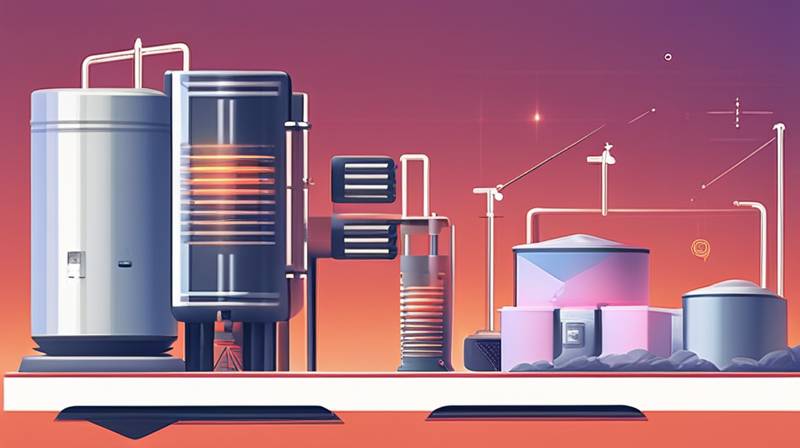
What is a gravity energy storage facility?
- Gravity energy storage facilities utilize gravitational forces to store energy, creating a sustainable and efficient method for energy management. 2. These systems operate by elevating heavy objects, often in the form of large weights, during periods of low energy demand, and then releasing this stored energy when required. 3. The technology is beneficial in stabilizing the electric grid and enhancing renewable energy integration, reducing dependence on fossil fuels. 4. The mechanics of gravity storage are relatively simple, yet they can offer significant advantages over conventional energy storage solutions like batteries, including longer operational lifetimes and reduced environmental impact.
GRAVITY ENERGY STORAGE FACILITIES: AN OVERVIEW
Gravity energy storage facilities represent a promising advancement in the field of energy management and sustainability. These systems leverage the fundamental principles of physics, utilizing the force of gravity to store potential energy in a controlled manner. When energy demand fluctuates, particularly in scenarios where renewable energy sources dominate the grid, these facilities can provide a much-needed balance.
The basic operational principle involves lifting heavy masses to a certain height, thus converting electrical energy into potential energy. When energy is needed, the stored potential energy is transformed back into kinetic energy as the weights descend, driving turbines to generate electricity. Thus, the operation mimics that of pumped hydro storage, albeit with increased flexibility regarding location and scalability.
In addition to their innovative approach, gravity energy storage facilities boast several environmental benefits. They tend to require minimal land compared to traditional renewable energy systems, and they produce significantly reduced waste, making them an appealing alternative for energy storage that is both efficient and green.
METHODOLOGY OF ENERGY STORAGE THROUGH GRAVITY
The methodology behind gravity energy storage is intricate and subtly innovative. At its core, it hinges on the principles of potential energy, where the work done in lifting an object converts electrical energy into a storable format. Often, the construction of these facilities involves the use of massive weights, which can vary in design from concrete blocks to specially designed metallic containers.
1. Efficiency of Energy Conversion
The efficiency of energy conversion plays a crucial role in the effectiveness of any energy storage system. Gravity energy storage systems report efficacy rates close to or exceeding 90%, allowing for minimal losses during the conversion of electrical energy into potential energy and back. This efficiency is superior to many traditional battery systems, which face challenges such as thermal losses during operation.
2. Scalability of Design
Another significant aspect of gravity energy storage lies in the scalability of the design. Facilities can be constructed in different sizes to suit various applications, from small local systems suitable for neighborhoods to larger installations capable of supporting entire cities. This variability allows for widespread adaptability depending on community needs and energy demands while providing the flexibility to enhance the existing infrastructure.
APPLICATIONS AND BENEFITS OF GRAVITY ENERGY STORAGE
The applications of gravity energy storage extend across various sectors where reliable energy management is critical.
1. Support for Renewable Energy Sources
Primarily, these systems play a vital role in stabilizing energy output from renewable sources such as wind and solar power. By storing excess energy generated during peak production periods, gravity energy storage systems can release power when those generation sources are inactive. This is particularly significant in regions transitioning away from fossil fuels, as it ensures a consistent power supply.
2. Backup Power Solutions
In addition to renewable integration, they also serve as backup power solutions. Urban areas susceptible to outages benefit immensely from gravity storage, providing backup stability during critical moments. This enhances grid resilience, lowering the risks associated with electrical failures in densely populated regions.
COMPARISON WITH OTHER ENERGY STORAGE TECHNOLOGIES
When considering gravity energy storage, it is crucial to contrast its advantages against other prevalent storage technologies.
1. Pumped Hydro Energy Storage
Pumped hydro energy storage has long been a standard for large-scale energy storage but requires specific geographic features such as rivers and topographical variances. Gravity energy storage, meanwhile, provides a flexible alternative that can be deployed in urban spaces, considerably expanding potential implementation sites.
2. Battery Technology
Battery systems, while versatile and easy to deploy, present challenges related to resource use, including materials that often necessitate environmentally damaging mining processes. Furthermore, battery systems have a limited lifespan and require ongoing maintenance. In contrast, gravity storage systems involve fewer logistical considerations, longer operational life spans, and lesser environmental repercussions, solidifying their position as a forward-thinking energy solution.
ECONOMIC IMPLICATIONS OF GRAVITY ENERGY STORAGE FACILITIES
The economic implications associated with the construction and operation of gravity energy storage facilities are substantial.
1. Cost-effectiveness
While the initial capital investment for constructing gravity energy storage can be substantial, the long-term operating costs often are lower than those of other storage solutions. Maintenance expenses tend to be minimal because there are fewer moving parts involved compared to battery systems. The simplicity of the operational model and the reduced need for specialized materials further enhance the financial viability of gravity storage.
2. Energy Market Enhancements
Additionally, these facilities could significantly impact energy markets by creating opportunities for cost savings through demand response. When these systems are employed, they can alleviate pressure during peak consumption periods, resulting in lower energy prices for consumers. This dynamic allows for a more economically efficient system for both producers and users of electricity, proving to be a game-changer in energy markets.
ENVIRONMENTAL IMPACT OF GRAVITY ENERGY STORAGE
The environmental impact associated with gravity energy storage is markedly favorable when juxtaposed with conventional energy systems.
1. Reduced Carbon Footprint
Since gravity energy storage facilities primarily make use of gravitational potential energy, they inherently minimize reliance on fossil fuels. As more facilities are constructed, there is the potential for sizable reductions in carbon emissions associated with energy generation, aligning perfectly with global initiatives combating climate change.
2. Minimal Resource Extraction
Compared to battery and fossil fuel technologies, gravity systems require negligible resource extraction. Manufacturing the necessary components often involves using local materials, which minimizes transportation emissions and enhances sustainability.
FREQUENTLY ASKED QUESTIONS
WHAT ADVANTAGES DO GRAVITY ENERGY STORAGE FACILITIES HAVE OVER TRADITIONAL BATTERIES?
Gravity energy storage facilities present several advantages over traditional battery technologies. Primarily, they exhibit a significantly longer operational lifespan; while batteries may need replacement every few years, gravity systems can remain functional for decades without substantial decline in performance. Additionally, they tend to have lower overall maintenance requirements due to fewer moving parts and robustness of design. This durability, combined with the environmental benefits of utilizing local materials and producing no harmful waste, positions gravity storage as a superior solution when considering longevity and sustainability.
Moreover, gravity systems can achieve efficiencies of over 90%, rivaling or surpassing battery systems which often suffer from thermal losses. Cost considerations also play a role; though the initial investment may be higher, the long-term cost-effectiveness due to lower maintenance and operational costs makes gravity storage an economically appealing option.
CAN GRAVITY ENERGY STORAGE ADDRESS PEAK DEMAND ISSUES IN URBAN AREAS?
Indeed, gravity energy storage systems have the capability to address peak demand issues effectively. Urban areas, characterized by rapid fluctuations in energy consumption, often struggle to ensure adequate supply during peak periods. Gravity energy storage can act as a buffer; during low-energy demand phases, excess electricity generated from renewable sources can be stored effectively by elevating heavy weights.
When demand surges, these weights can be released to generate electricity, thereby providing immediate relief to the grid and preventing blackouts. This functionality not only enhances energy security but also stabilizes electricity prices, which support consumer needs while facilitating a transition toward renewable energy sources through flexibility.
ARE THERE LIMITATIONS TO THE DEPLOYMENT OF GRAVITY STORAGE SYSTEMS?
While gravity energy storage systems hold significant potential, there are certain limitations that must be acknowledged. Geographic constraints can influence where such facilities can be built; ideal locations might require elevation or cliff faces for optimal functionality. Therefore, finding suitable sites in flat urban environments could be challenging.
Additionally, the scalability of technology can introduce challenges regarding the size and weight of the equipment. In densely populated areas, extensive structural engineering may be necessary, which can complicate implementation. Recognizing these limitations, ongoing research aims to develop innovative solutions that could allow for flexible designs that can accommodate various urban and rural settings alike, maximizing the benefits of gravity storage across diverse landscapes.
SIGNIFICANT CONSIDERATIONS FOR THE FUTURE OF GRAVITY ENERGY STORAGE
The potential of gravity energy storage is profound and multifaceted. As the world steadily shifts towards greener energy solutions, this technology offers a compelling method to address critical challenges in energy management, particularly in light of the increasing reliance on renewable resources. By harnessing the forces of gravity, these systems provide not only a reliable means of energy storage but also an innovative approach to enhancing grid stability.
The future trajectory of gravity energy storage facilities will likely witness significant advancements as technology progresses. Enhanced engineering techniques and materials science could foster development in both the scale and efficiency of these systems. Additionally, as discussions around climate change gain prominence, investment and interest in renewable energy solutions—including gravity storage—are expected to escalate.
While challenges remain, the outlook is optimistic, with the emergence of new technologies complementing existing systems to maximize energy efficiency. Ultimately, the viability of gravity energy storage as a formidable player in the energy storage sector will continue to strengthen, paving the way for a cleaner and more sustainable energy landscape.
The exploration of potential applications, coupled with technological improvements and strategic investments, will solidly position gravity energy storage as integral to the evolution of energy systems worldwide. As society seeks to balance the urgent need for sustainable solutions with economic viability, this innovative method will likely become fundamental in crafting a resilient energy future. Investing in and promoting such technologies will define the path toward a more sustainable energy ecosystem.
Original article by NenPower, If reposted, please credit the source: https://nenpower.com/blog/what-is-a-gravity-energy-storage-facility/

