

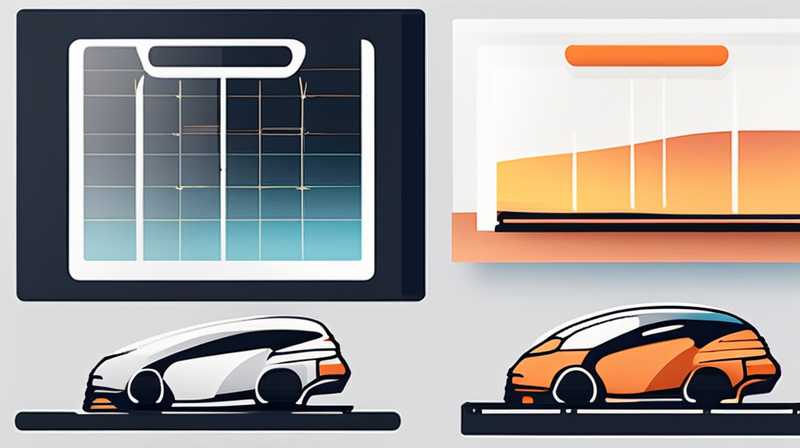
A car equipped with a solar-powered sunroof is typically referred to as a solar car, solar vehicle, or solar-powered vehicle. 1. Solar panels integrated into the sunroof, 2. Eco-friendly technology utilized in the automotive industry, 3. Reduction of reliance on conventional energy sources, and 4. Enhancement of vehicle sustainability and efficiency are critical features. Elaborating further, the integration of solar panels onto the sunroof allows for the conversion of sunlight into energy, which can power the vehicle’s electrical systems and, in some cases, assist in charging the car’s battery. This technology symbolizes a significant advancement toward sustainable transportation, addressing the urgent need to reduce carbon footprints amid environmental concerns. Integrating solar energy into automobiles not only promotes environmentally friendly practices but also represents innovation in automotive engineering, making these vehicles increasingly attractive to eco-conscious consumers.
SOLAR CAR TECHNOLOGY
Solar vehicles represent a remarkable evolution in automotive engineering, combining traditional automotive design with innovative solar technology. The fundamental principle behind such vehicles is the integration of solar panels into certain components of the vehicle, most frequently the sunroof. Solar panels convert sunlight into electrical energy, which can be utilized for various functions, such as powering electrical systems, climate control, and potentially charging the batteries of hybrid or electric vehicles.
The incorporation of solar technology into vehicles has resulted in both enhanced energy efficiency and reduced reliance on conventional fossil fuels. By harnessing sunlight, these cars can generate renewable energy directly from their surface, representing a proactive step towards sustainability in transportation. This section will discuss the advantages, implications, and advancements in solar vehicle technology.
ADVANTAGES OF SOLAR CARS
The introduction of solar vehicles offers numerous advantages, particularly in the context of environmental sustainability and energy efficiency. Firstly, one of the most significant benefits is the potential for reducing greenhouse gas emissions. Traditional gasoline-powered vehicles contribute to pollution and emit high levels of carbon dioxide. On the other hand, solar-powered cars provide a cleaner alternative since they utilize renewable energy sourced directly from the sun, resulting in lower emissions during operation.
Additionally, solar vehicles contribute to lower operating costs. While the initial investment for solar-powered technology may be higher, the long-term savings associated with decreased fuel consumption and reduced maintenance costs can be substantial. Solar panels generate electricity that can power various systems within the vehicle, thus reducing the reliance on gasoline or electricity from the grid. This leads to significant savings over time, especially in regions with high solar exposure.
ENVIRONMENTAL IMPACT
One cannot overstate the importance of solar cars in addressing environmental challenges. The automotive sector is one of the largest contributors to urban air pollution, prompting significant interest in alternative fuel sources. Solar vehicles offer a viable solution that not only reduces carbon emissions but also conserves natural resources. Utilizing sunlight, an abundant and renewable energy source, aids in the transition from fossil fuels to cleaner forms of energy.
Furthermore, the implementation of solar-powered technology supports the global commitment to combating climate change. Transitioning to renewable energy in transportation aligns with international agreements aimed at protecting the planet and mitigating adverse environmental impacts. It provides an avenue for individuals and governments to collectively participate in sustainable practices.
INNOVATIONS IN SOLAR CAR DESIGN
The automotive industry continually seeks advancements in technology, particularly in solar car design. Companies are focusing on enhancing the efficiency and aesthetic appeal of solar panels to create lighter, more efficient, and better-integrated designs. Transparent solar panels, for instance, are emerging as a revolutionary solution, enabling solar energy capture while maintaining visibility and enhancing the vehicle’s aesthetic.
Additionally, manufacturers are exploring the potential for advanced energy storage systems to allow solar vehicles to store energy for later use. As battery technology advances, solar cars can not only harness energy during the day but also utilize stored energy to power the vehicle during nighttime or cloudy conditions.
LIMITATIONS OF SOLAR CARS
Despite the numerous advantages and technological advancements, several limitations still hinder the widespread adoption of solar vehicles. One primary challenge is the limited energy production capabilities of solar panels. While they can assist in powering certain vehicle systems, they may not generate enough energy to fully charge batteries or power the vehicle in all driving conditions. Consequently, extensive driving or operating in less sunny regions could lead to energy shortages.
Moreover, the initial purchase cost of solar vehicles is often higher than conventional vehicles, which can deter prospective buyers. Although savings can be accumulated over time through reduced fuel consumption and low maintenance, upfront costs remain a critical factor impacting accessibility.
FUTURE OF SOLAR VEHICLES
The future of solar-powered cars appears promising, especially with increasing global awareness about environmental issues and the necessity for sustainable transportation. Research and development in solar technologies are progressing rapidly, leading to more refined and efficient solar panels and energy storage solutions. Companies devoted to advancing this technology are partnering with governmental organizations to accelerate adoption.
Additionally, changing consumer attitudes towards eco-friendly travel options will influence market dynamics. As more individuals recognize the environmental and economic benefits of solar vehicles, demand is likely to rise. This shift could inspire automotive manufacturers to invest further in innovation, making solar cars more mainstream.
SOLAR CARS AND ENERGY INDEPENDENCE
The integration of solar energy into a vehicle can contribute to a broader sense of energy independence. Owning a solar car allows individuals to draw energy from the sun rather than being reliant solely on gas stations or electrical grids. This autonomy aligns with a growing desire for self-sufficiency in energy consumption.
Furthermore, envisioning solar-powered vehicles within a communal or public transport framework creates a shift towards shared economies. Solar-powered taxis or shared vehicles could operate efficiently within urban centers, using solar energy during peak hours while enhancing the utilization of renewable technology. This advancement would further advance sustainability efforts by reducing the overall number of vehicles on the road and improving urban air quality.
SOLAR CARS AND TECHNICAL ASPECTS
Understanding the technical components of solar vehicles sheds light on their operational mechanisms and showcases the innovations paving the way for more efficient energy utilization. One of the critical features of solar cars is the solar photovoltaic cells used to convert sunlight into electricity. These cells are designed to be lightweight and have increased efficiency ratings, translating to more power generation at lower weights – a vital factor in automotive applications.
Another essential factor includes the power management system. This system is crucial for optimizing energy usage and ensuring that the solar-generated energy is efficiently distributed among vehicle functions. Sophisticated energy management allows the vehicle to determine how much power needs to be stored, used immediately, or diverted to secondary systems.
SOLAR POWER FOR ELECTRIC VEHICLES
The association between electric vehicles (EVs) and solar technology is burgeoning, as they complement each other seamlessly. EVs, which operate on battery power, can significantly benefit from the integration of solar panels for recharging purposes. Using solar energy as a recharging source reduces the reliance on charging stations powered by the grid and allows for more significant flexibility in terms of charging locations.
Solar energy can effectively reduce the overall carbon footprint of electric vehicles, further enhancing their viability as an eco-friendly transport option. Moreover, the synergy between these two technologies may encourage manufacturers to develop all-encompassing solutions that cater to a broader market, intertwining solar panels within various types of electric vehicles for enhanced functionality and energy management.
COMMON CONCERNS
Various concerns surrounding solar vehicle technology highlight noteworthy discussions in the industry. Consumers often worry about the practical application of solar-powered cars, questioning reliability, efficiency, and real-world performance. These concerns stimulate ongoing research and development to address potential gaps.
Furthermore, discussions around the sustainability of solar panel production need consideration. While solar energy systems are generally eco-friendlier than fossil fuels, the materials involved in the production and disposal of photovoltaic cells produce their environmental impacts. Addressing such concerns is essential for promoting the holistic benefits of solar car technology.
ECONOMIC IMPLICATIONS OF SOLAR VEHICLES
The financial impact of solar-powered vehicles extends beyond individual savings in fuel and maintenance costs; it actively shapes economic landscapes. As the adoption of solar vehicles grows, demands for renewable energy sources will increase, potentially leading to job creation in solar energy sectors related to manufacturing, installation, and maintenance.
Furthermore, widespread use of solar cars could promote economic resilience by reducing dependence on volatile fossil fuel markets. However, these prospects are coupled with the need for legislative support to foster infrastructure development, sustainable policies, and incentives encouraging investment in renewable energy technologies.
INQUIRIES FREQUENTLY MADE
WHAT ARE THE PRIMARY COMPONENTS OF A SOLAR POWERED CAR?
Solar-powered vehicles consist of essential components that play crucial roles in their operation. The most significant component is the solar photovoltaic panel, which absorbs sunlight and converts it into electricity. Other components include a battery system, which holds the generated energy for later use, and a power management system that optimizes energy distribution for various functions. Finally, electric motors are employed to propel the vehicle, providing an efficient translation of electrical energy into kinetic energy.
HOW DOES SOLAR TECHNOLOGY AFFECT ENVIRONMENTAL SUSTAINABILITY?
Solar technology enhances environmental sustainability primarily through reduction in greenhouse gas emissions and reliance on depleting fossil fuels. By utilizing renewable solar energy instead of traditional power sources, solar vehicles contribute to cleaner air and decreased carbon footprints. Additionally, they enable a shift towards a more sustainable lifestyle, promoting awareness about the benefits of clean energy.
WHAT IS NEEDED FOR WIDER ADOPTION OF SOLAR VEHICLES?
Several factors contribute to the wider adoption of solar vehicles, including advancements in solar technology, financial incentives, and infrastructure improvements. Technological developments should aim for increased efficiency and reduced production costs of solar components. Financial policies encouraging consumers to make eco-friendly choices, along with a mature charging infrastructure that integrates solar power with electric grids, will enhance accessibility and encourage mass adoption.
The emergence of vehicles powered by solar technology illustrates a pivotal shift towards sustainable transportation solutions. Such advances represent not merely incremental improvements in automotive design but rather a fundamental rethinking of how we understand and interact with energy in our lives. By harnessing sunlight, solar cars present an innovative approach to reducing dependence on traditional fossil fuels while advocating for eco-friendly practices.
As the importance of addressing climate change becomes increasingly critical, the role of solar vehicles will undoubtedly expand. Autonomy over energy consumption, along with the financial benefits associated with fuel savings, positions these vehicles as desirable alternatives for environmentally conscious consumers. Moreover, continued technical innovations are essential to overcoming existing limitations and ensuring the practical application of solar-driven technologies.
As manufacturers enhance designs, boost energy efficiency, and integrate renewable energy sources, the potential for solar-powered vehicles appears limitless. Transitioning towards a future where cars are powered by sunlight not only aligns with environmental goals but also signifies a collective movement towards a sustainable future. By eschewing conventional energy practices and embracing innovative technologies, society stands poised for a transformation in how we view transportation, energy, and environmental stewardship.
Original article by NenPower, If reposted, please credit the source: https://nenpower.com/blog/what-is-a-car-with-a-solar-powered-sunroof-called/

