

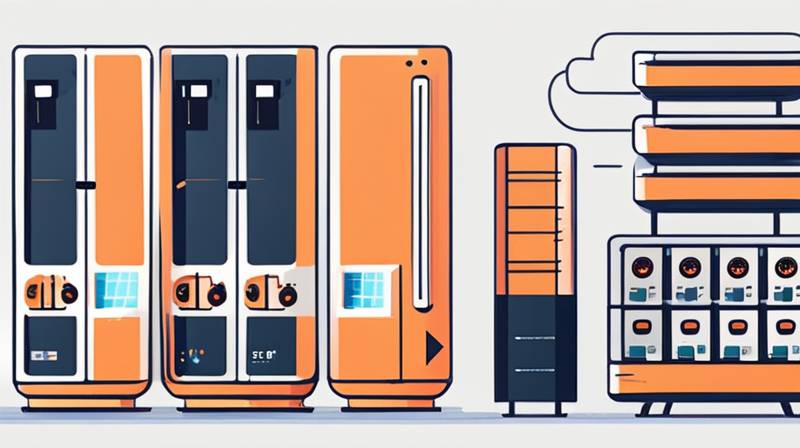
1. ENERGY STORAGE EQUIPMENT BELONGS TO THE ENERGY SECTOR, 2. IT PLAYS A CRUCIAL ROLE IN RENEWABLE ENERGY INTEGRATION, 3. VARIOUS TECHNOLOGIES ARE INVOLVED, 4. THE INDUSTRY IS EXPECTED TO GROW RAPIDLY.
Energy storage equipment is fundamentally intertwined with the energy sector, concentrating on the capacity to store energy for various applications and managing the supply of that energy. It facilitates the transition towards renewable energy sources like wind and solar by ensuring a stable energy supply despite the intermittent nature of these resources. As such, energy storage plays a pivotal role in enhancing grid reliability and efficiency. Numerous technologies, such as lithium-ion batteries, pumped hydro storage, and flywheel systems, illustrate the diversity within this sector. The growth trajectory for energy storage is promising, driven largely by technological advancements and increased demand for clean energy solutions. Industry experts predict substantial expansion in both the commercial and residential energy storage landscapes, establishing it as a critical component of modern energy infrastructure.
1. THEIR SIGNIFICANCE IN THE ENERGY SECTOR
Energy storage equipment serves an indispensable role in the overall energy landscape, primarily focusing on balancing supply and demand. By storing surplus energy generated during peak production times, these systems release energy back into the grid during periods of high demand. This ability to store energy directly contributes to a more resilient energy network. Furthermore, it mitigates the challenges posed by renewable energy sources, which can be variable in production and unavailable at times of peak demand.
Another crucial aspect is the environmental context. As nations aim to reduce their carbon footprints and transition to greener energy solutions, energy storage becomes an essential pillar in facilitating this shift. It helps integrate renewable energy sources more effectively, thereby reducing reliance on fossil fuels for energy production. Enhanced energy storage capacity can support the stability of the grid, offering an environmentally responsible solution to additional energy demands while directly aligning with global sustainability goals.
2. TECHNOLOGIES INVOLVED
A multitude of technologies is available in the realm of energy storage equipment, each with its unique applications, advantages, and limitations. Lithium-ion batteries, for instance, have gained significant prominence due to their efficiency, energy density, and declining costs. They find widespread use in electric vehicles, consumer electronics, and increasingly, in large-scale energy storage systems. The versatility of lithium-ion technology means it can adapt to various needs, whether in residential setups or in larger commercial applications.
On the other hand, pumped hydro storage has been a long-standing solution for energy storage. This method involves moving water between two reservoirs at different elevations. When electricity is plentiful, excess energy is used to pump water uphill; when energy is needed, the stored water is released down to turn turbines. Although this method requires specific geographical conditions and significant infrastructure, it remains the most widely used form of grid-scale energy storage globally due to its proven reliability and efficiency over the decades.
3. ECONOMIC IMPACT AND OPPORTUNITIES
The economic implications of energy storage technologies extend far beyond their initial investment costs. As systems become more efficient, the levelized cost of energy storage has decreased, making large-scale implementation more viable. Governments and private enterprises increasingly recognize the value of investing in advanced energy storage solutions to ensure energy independence and enhance infrastructure reliability. The integration of this technology not only supports a more sustainable energy grid but also fosters economic growth by creating jobs in research, development, manufacturing, and installation sectors.
Moreover, as the energy storage market expands, novel business models are emerging. Companies are exploring various financial frameworks such as energy-as-a-service, where energy storage is managed by third parties, alleviating the capital burden on customers. This shift towards innovative models signifies a transformative period in how energy is sold and utilized, paving the way for a decentralized grid that can operate efficiently with distributed energy resources.
4. CHALLENGES FACING THE INDUSTRY
Despite its promising trajectory, the energy storage industry faces significant challenges that must be addressed for sustainable growth. One primary concern is regulatory hurdles. Different jurisdictions often have varying regulations regarding the use of energy storage, which can complicate implementation and deployment. For businesses seeking to enter the market, navigating these regulatory landscapes presents a barrier to entry that can stymie growth and innovation.
Another challenge tied closely to technology is resource scarcity. The production of many advanced energy storage systems, especially lithium-ion batteries, relies heavily on rare materials such as cobalt and lithium. As demand surges, concerns about the sustainability of sourcing these materials escalate. Innovations in recycling batteries and alternative technologies will be essential in addressing these resource challenges. The industry must balance growth with responsibly managing the environmental impact tied to the materials utilized in energy storage technology.
5. FUTURE PREDICTIONS
In looking toward the future, energy storage systems are poised for unprecedented growth. Technological advancements such as solid-state batteries, which promise higher energy capacity and safety, are anticipated to revolutionize the market. Additionally, ongoing investments in research and development will likely yield new solutions that are not only efficient but environmentally friendly. This evolution is crucial given the increasing urgency to address climate change and transition to net-zero emissions.
Alongside technological advancements, economies of scale will drive down costs, making energy storage accessible to a more extensive range of applications. As both residential and commercial entities recognize the benefits of energy independence and sustainability, the adoption of energy storage systems is expected to proliferate. With evolving market dynamics and supportive public policies, the energy storage industry stands at the cusp of a significant transformation, promising to redefine how energy is produced and consumed across the globe.
FREQUENTLY ASKED QUESTIONS
WHAT ARE THE MOST COMMON TYPES OF ENERGY STORAGE TECHNOLOGIES?
Various energy storage technologies exist today, with lithium-ion batteries, pumped hydro storage, flow batteries, and compressed air energy storage being among the most commonly employed. Lithium-ion batteries are widely recognized for their efficiency and versatility, often used in consumer electronics and electric vehicles. Pumped hydro storage, a longitudinal technology, remains the most common large-scale solution due to its longstanding infrastructure, providing significant capacity for energy balancing. Flow batteries offer notable longevity and scalability, ideal for extended energy supply durations. Lastly, compressed air energy storage utilizes existing geological formations to store compressed air, releasing energy to generate electricity when necessary. Each technology presents unique benefits and challenges based on factors like efficiency, location, and overall application suitability.
HOW DO ENERGY STORAGE SYSTEMS SUPPORT RENEWABLE ENERGY?
Energy storage systems play a critical role in supporting the integration of renewable energy into the grid. One pivotal aspect is the management of intermittency associated with renewable sources like solar and wind energy, which do not produce electricity consistently. Energy storage can retain excess energy generated during peak production periods, keeping it accessible for consumption during times of low production or higher demand. This capability enhances grid stability, reducing reliance on fossil-based backup generation and allowing for more renewable energy on the grid. By managing the variability of renewable output, energy storage systems enable utilities and end-users to invest more significantly in sustainable energy projects, enhancing overall energy resilience and reducing carbon emissions.
WHAT IS THE FUTURE OF THE ENERGY STORAGE INDUSTRY?
The energy storage industry is anticipated to witness significant evolution in the coming years, underpinned by increasing demand for sustainable energy solutions and technological advancements. Deployment of solid-state batteries is expected to enhance energy efficiency and safety, while innovations in recycling and circular economy practices will mitigate resource scarcity concerns. Furthermore, regulatory frameworks and supportive policies are gradually adapting to facilitate cleaner energy markets, fostering broader adoption of energy storage across residential, commercial, and industrial sectors. As costs continue to decline due to economies of scale and technological progress, energy storage will likely become integral to energy systems globally, enabling a transition toward cleaner, more resilient energy infrastructure.
The energy storage sector is in a pivotal moment of evolution, marked by significant advancements in technology, economic opportunity, and societal impact. Recognizing the vital role that energy storage plays in shaping the future of energy systems is paramount for stakeholders across the spectrum. Embracing innovation, addressing challenges, and fostering collaboration will be crucial for unlocking the full potential of this transformative industry. As nations and companies invest in energy storage solutions, the transformation toward a sustainable energy future becomes not only achievable but also imperative for the well-being of both the planet and its inhabitants.
Original article by NenPower, If reposted, please credit the source: https://nenpower.com/blog/what-industry-does-energy-storage-equipment-belong-to/

