

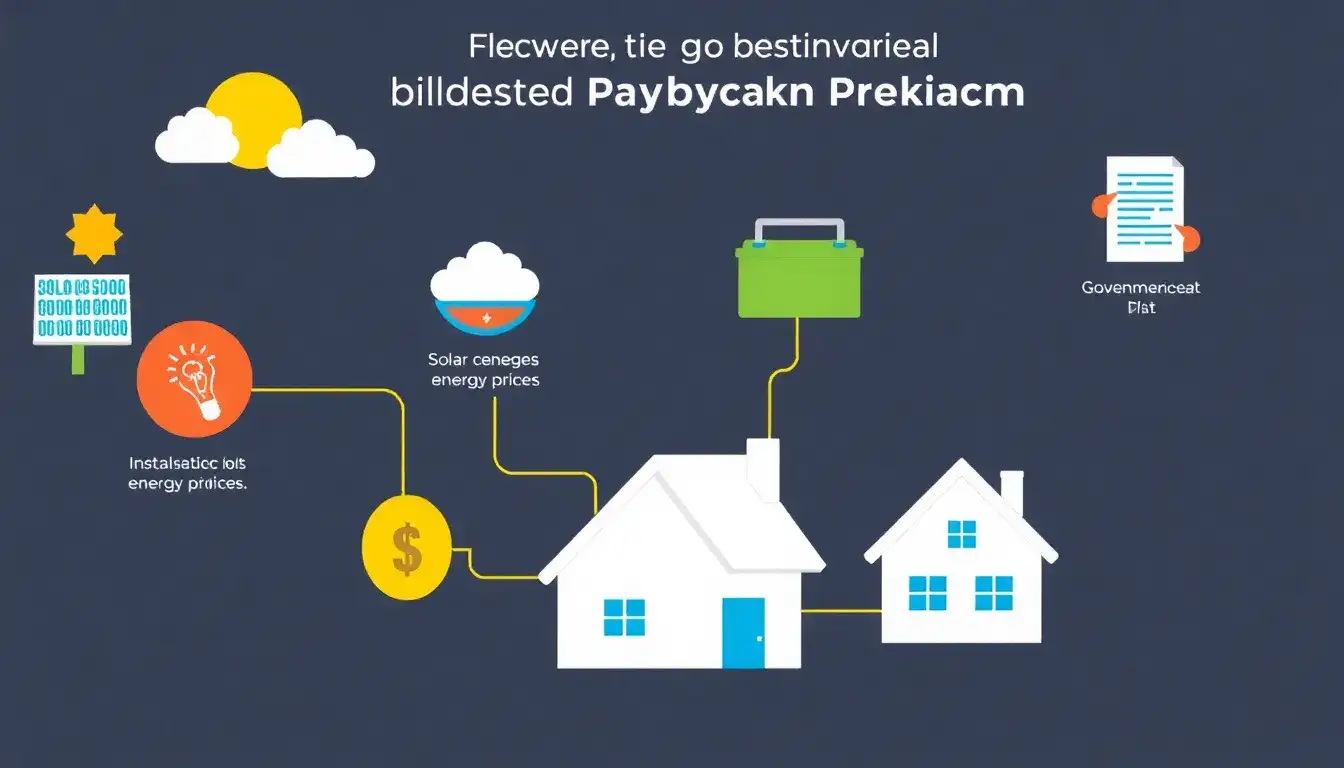
The payback period for residential energy storage systems, such as solar batteries, is significantly influenced by several key factors:
- Upfront Costs and Incentives:
- Initial Investment: The total cost of purchasing and installing the energy storage system.
- Incentives: State and federal tax credits, rebates, and other financial incentives can reduce the initial cost and thus shorten the payback period.
- Electricity Rate Plans:
- Time-of-Use (TOU) Rates: Plans that charge different rates for electricity based on the time of day can significantly influence savings. Using stored energy during peak hours maximizes financial benefits.
- Net Metering and Grid Sellback: Policies allowing homeowners to sell excess energy back to the grid can enhance savings.
- Energy Consumption Patterns:
- Usage Patterns: How energy is used in the home affects savings. For instance, homes with consistent energy needs during peak hours benefit more from storage.
- System Efficiency and Longevity:
- Battery Efficiency and Lifespan: More efficient and longer-lasting batteries provide better savings over time, though they may cost more initially.
- Geographic Factors:
- Climate and Sunlight: In regions with frequent power outages or high solar power generation potential, batteries can offer substantial savings and benefits.
- Utility Policies:
- Changes in Utility Rates or Policies: Shifts in net metering rules or other regulatory changes can impact long-term savings and payback period.
Original article by NenPower, If reposted, please credit the source: https://nenpower.com/blog/what-factors-most-significantly-influence-the-payback-period-for-residential-energy-storage-systems/

