

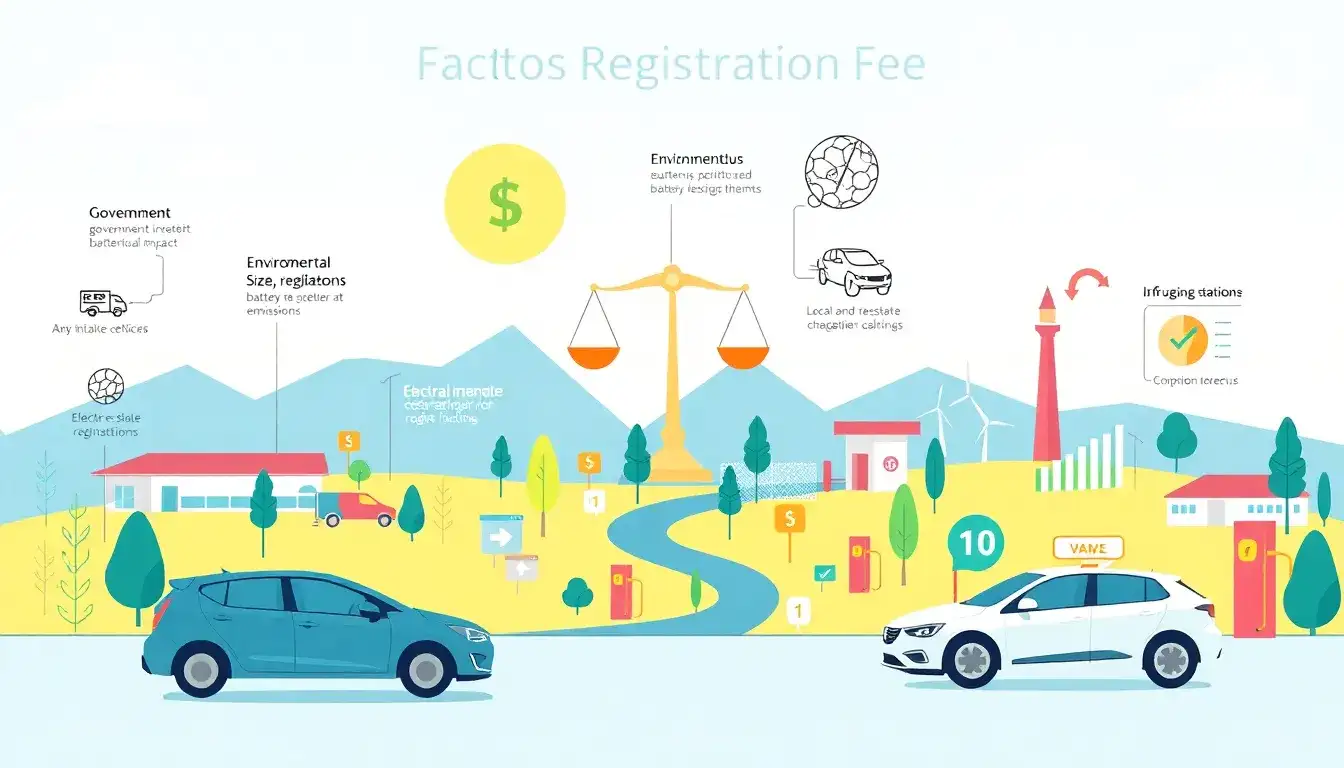
The registration fees for electric and hybrid vehicles in the U.S. are influenced by several factors:
Key Factors
- State Regulations: Each state has its own set of laws and regulations that dictate the fees for electric and hybrid vehicles. For example, annual fees range from $30 to $400 across different states.
- Vehicle Type and Efficiency: The type of vehicle (e.g., all-electric, plug-in hybrid, hybrid) and its efficiency can affect the fee charged. Generally, all-electric vehicles are charged higher fees than hybrid vehicles.
- Federal and State Revenue Needs: States with higher reliance on fuel taxes may impose higher fees on EVs to compensate for lost revenue due to improved fuel efficiency. Additionally, states with poor road conditions might increase fees to fund infrastructure maintenance.
- Market Conditions: States may also consider the growing number of EVs on the road and the fees imposed by neighboring states when determining their own fees.
- Economic Adjustments: Fees can be adjusted annually for inflation or based on specific economic indicators, as seen in Indiana.
Additional Considerations
- Federal Tax Credits: While not directly affecting registration fees, federal tax credits can influence consumer choice and demand for EVs, potentially impacting state revenue and policy decisions.
- State Economic Incentives: Some states offer incentives that can offset higher registration fees, encouraging consumers to purchase EVs.
These factors combine to create a complex landscape of registration fees for electric and hybrid vehicles across the U.S.
Original article by NenPower, If reposted, please credit the source: https://nenpower.com/blog/what-factors-influence-the-registration-fees-for-electric-and-hybrid-vehicles/

